
The Paused Rep Is Not a Rest - It's a Reset
Adding a pause mid-rep changes what a lift demands of you. Most people use it wrong, or skip it entirely.
Read more →Fuel your body, move with purpose
50 posts
Adding a pause mid-rep changes what a lift demands of you. Most people use it wrong, or skip it entirely.
Read more →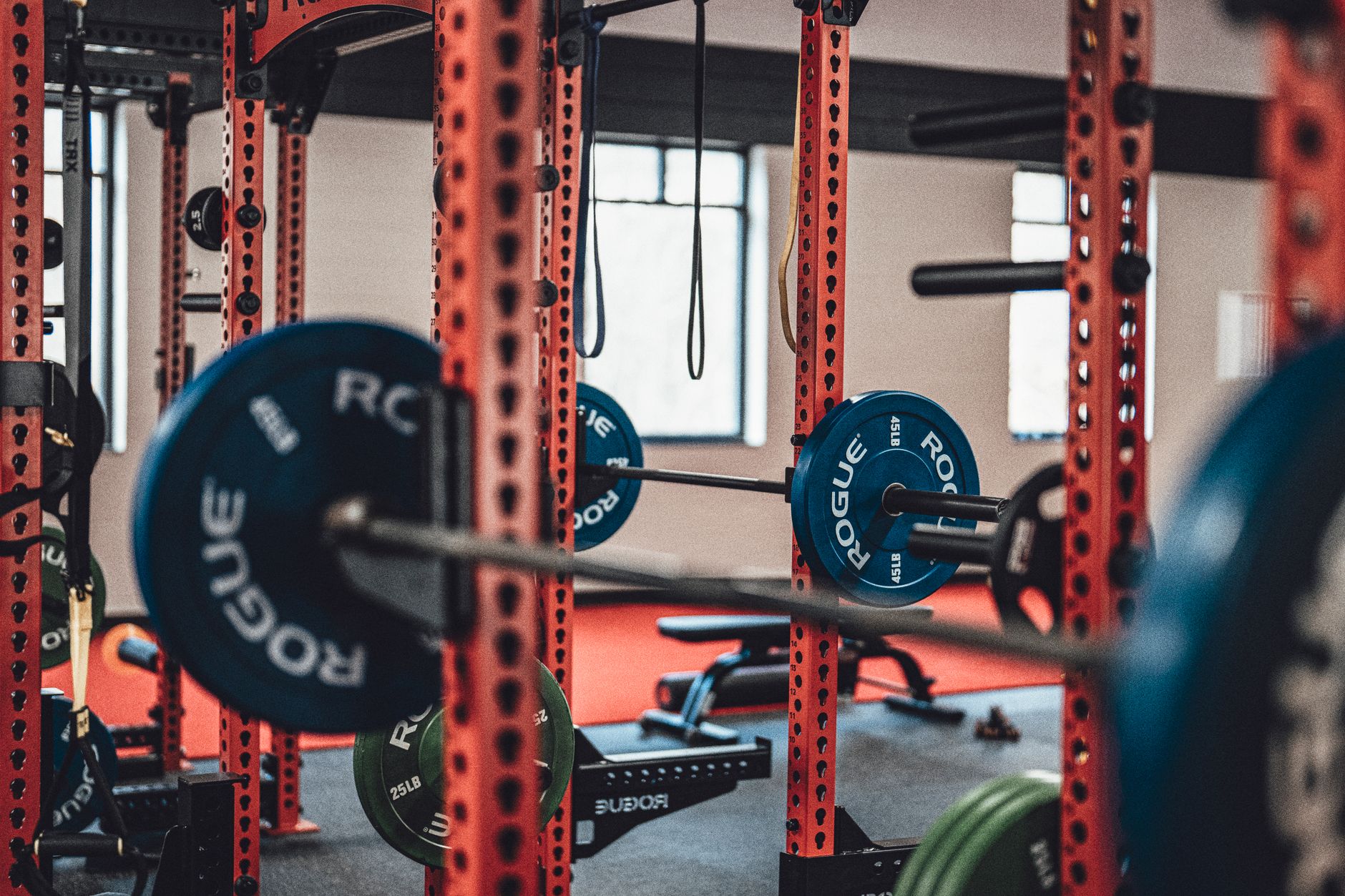
Rushing the concentric phase of a squat or deadlift feels powerful. It's actually where most people accidentally cap their progress.
Read more →
Most lifters obsess over load. Slowing the eccentric down by two seconds can expose more weakness than adding 10kg ever will.
Read more →
Most lifters obsess over load and reps but ignore the one variable that changes how hard any weight actually is.
Read more →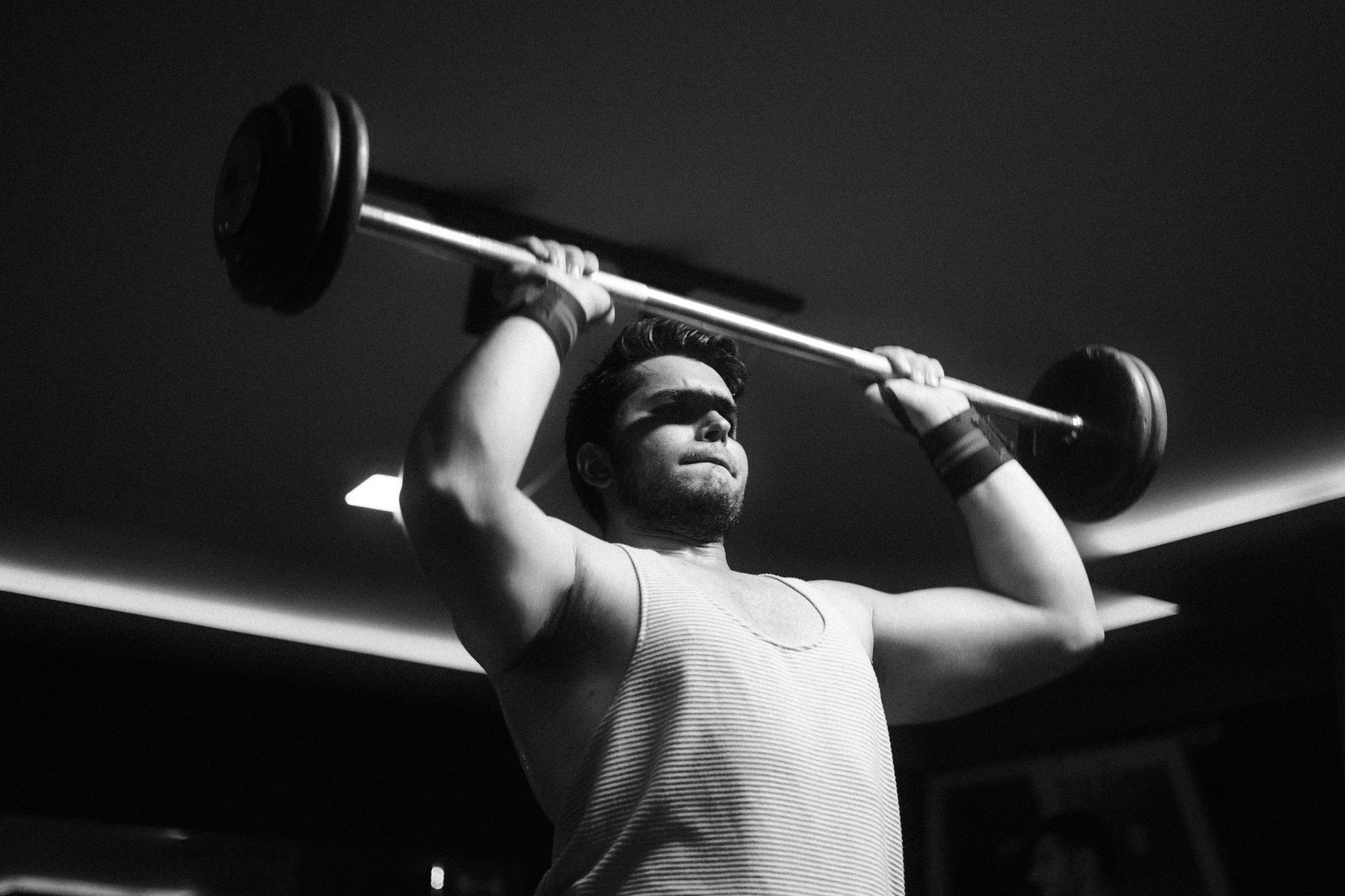
Tempo training is not about slowing down for the sake of it. It's about making the muscle do the work the momentum was hiding.
Read more →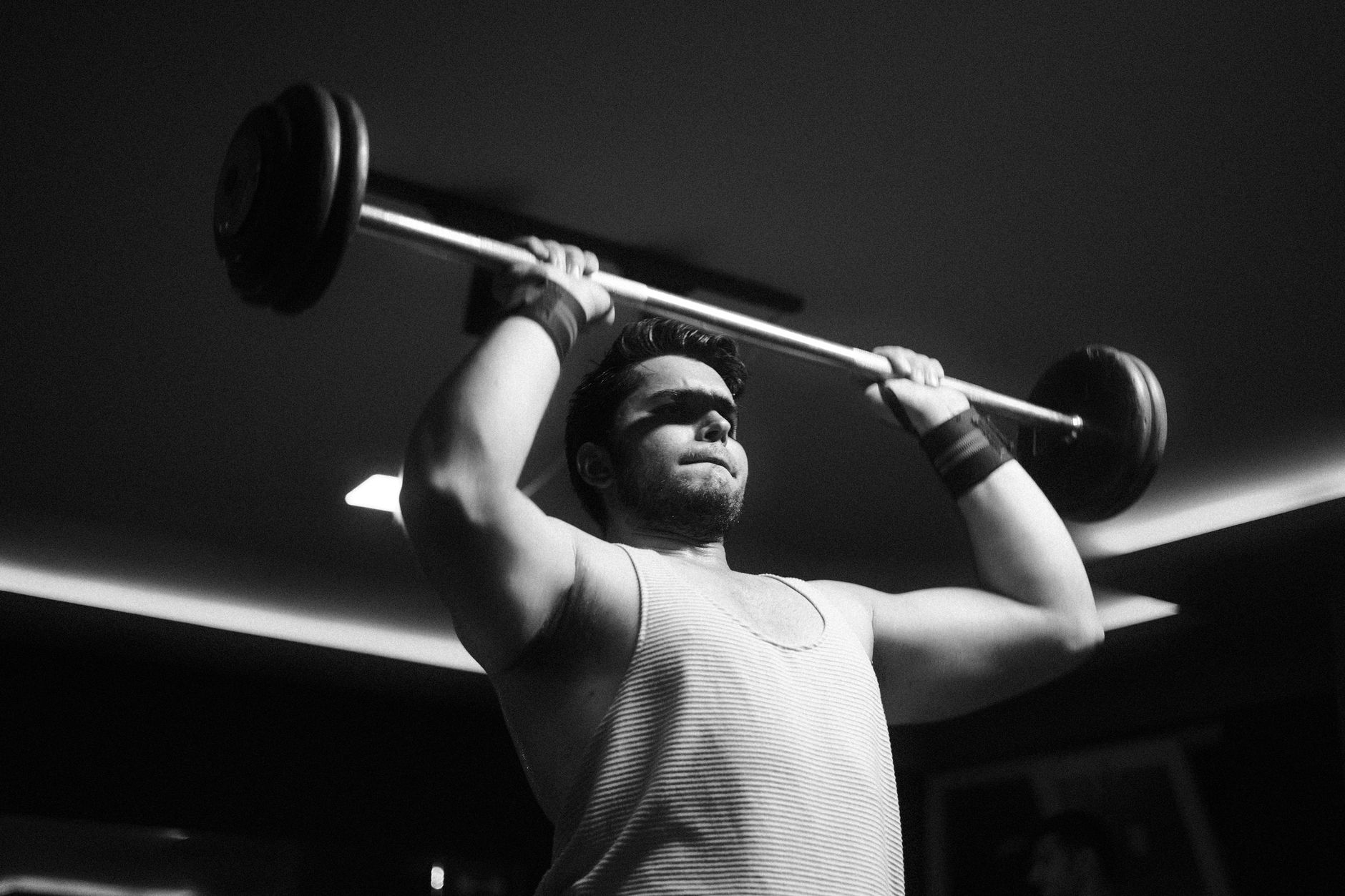
Slowing down a rep feels like going backwards. It isn't - it's the part of the lift most people skip entirely.
Read more →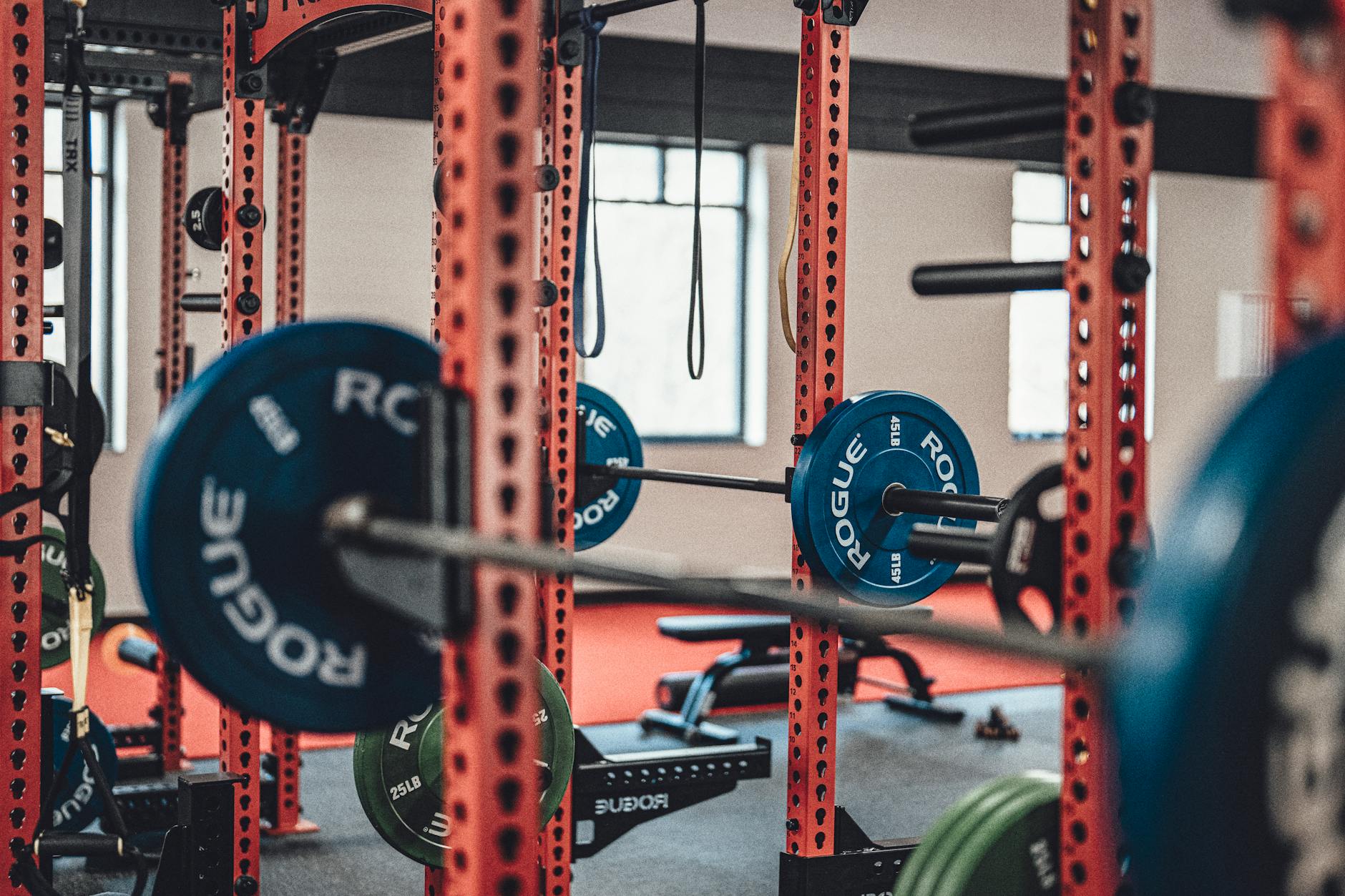
Most lifters track load and reps but ignore the one variable that changes how hard a set actually is: how long each rep takes.
Read more →
Changing the speed of a rep does more to muscular development than most program tweaks - and almost nobody uses it deliberately.
Read more →
Slowing down a rep isn't just harder - it changes what the muscle is actually doing and why that matters more than load.
Read more →
Tempo training isn't a rehab tool or a beginner fix - it's one of the most underused levers for building real strength.
Read more →
Unilateral training isn't just a rehab tool. It's where most people find out how asymmetric their strength actually is.
Read more →
Controlling how fast you move a weight changes the training stimulus more than most rep range adjustments ever will.
Read more →
Most lifters manipulate weight and reps but never touch tempo. That's leaving real stimulus on the table.
Read more →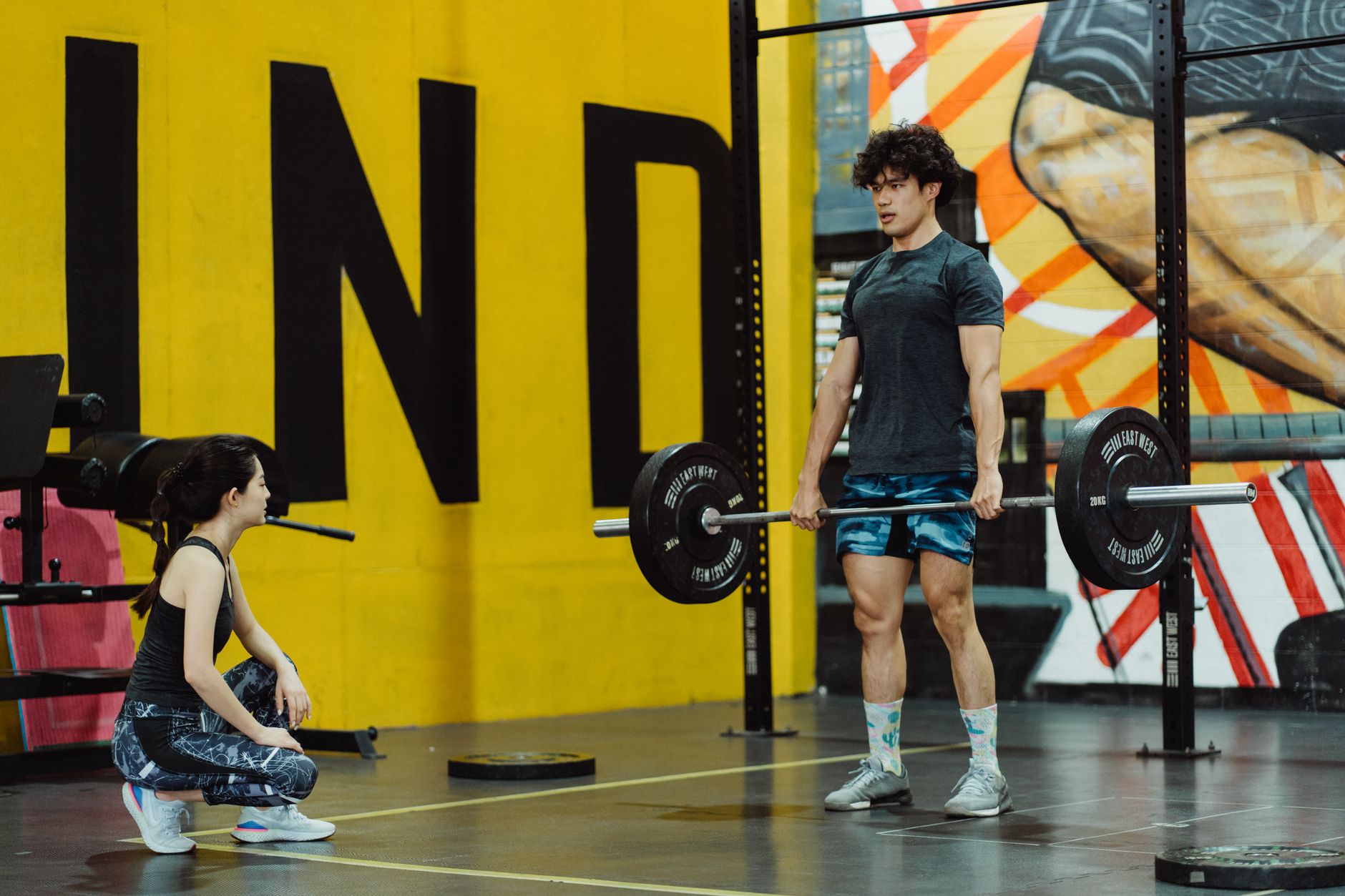
Posterior chain work gets lip service but rarely the structure it deserves. Here's how to actually build it into a session.
Read more →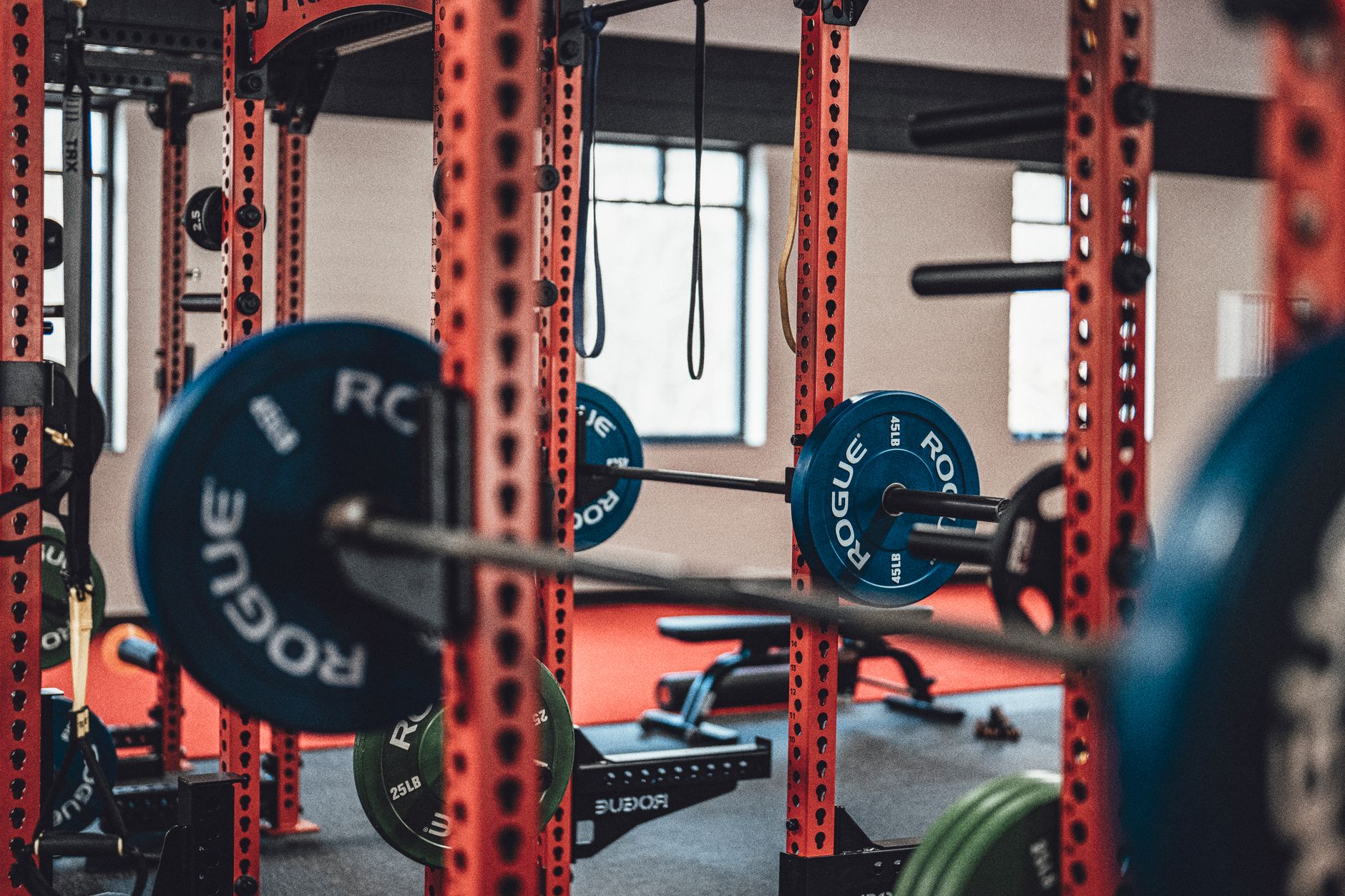
Hitting the same movement twice weekly isn't redundancy. It's one of the more underused tools in strength training.
Read more →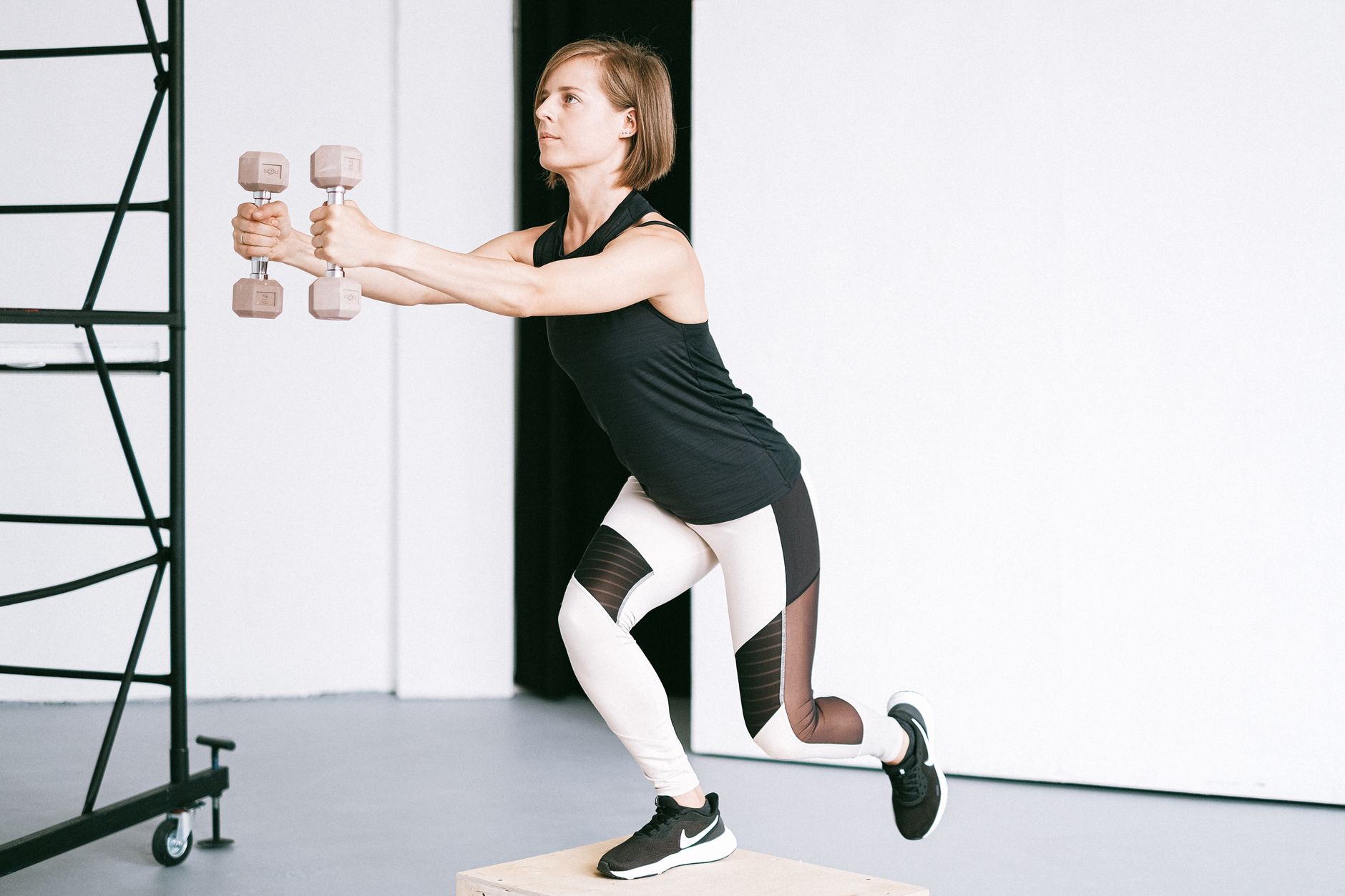
Unilateral training isn't just rehab work or a finisher. It's often the smarter primary stimulus for building usable strength.
Read more →
Most lifters use tempo prescriptions to feel disciplined. The actual point is to expose the parts of the lift where you've been cheating.
Read more →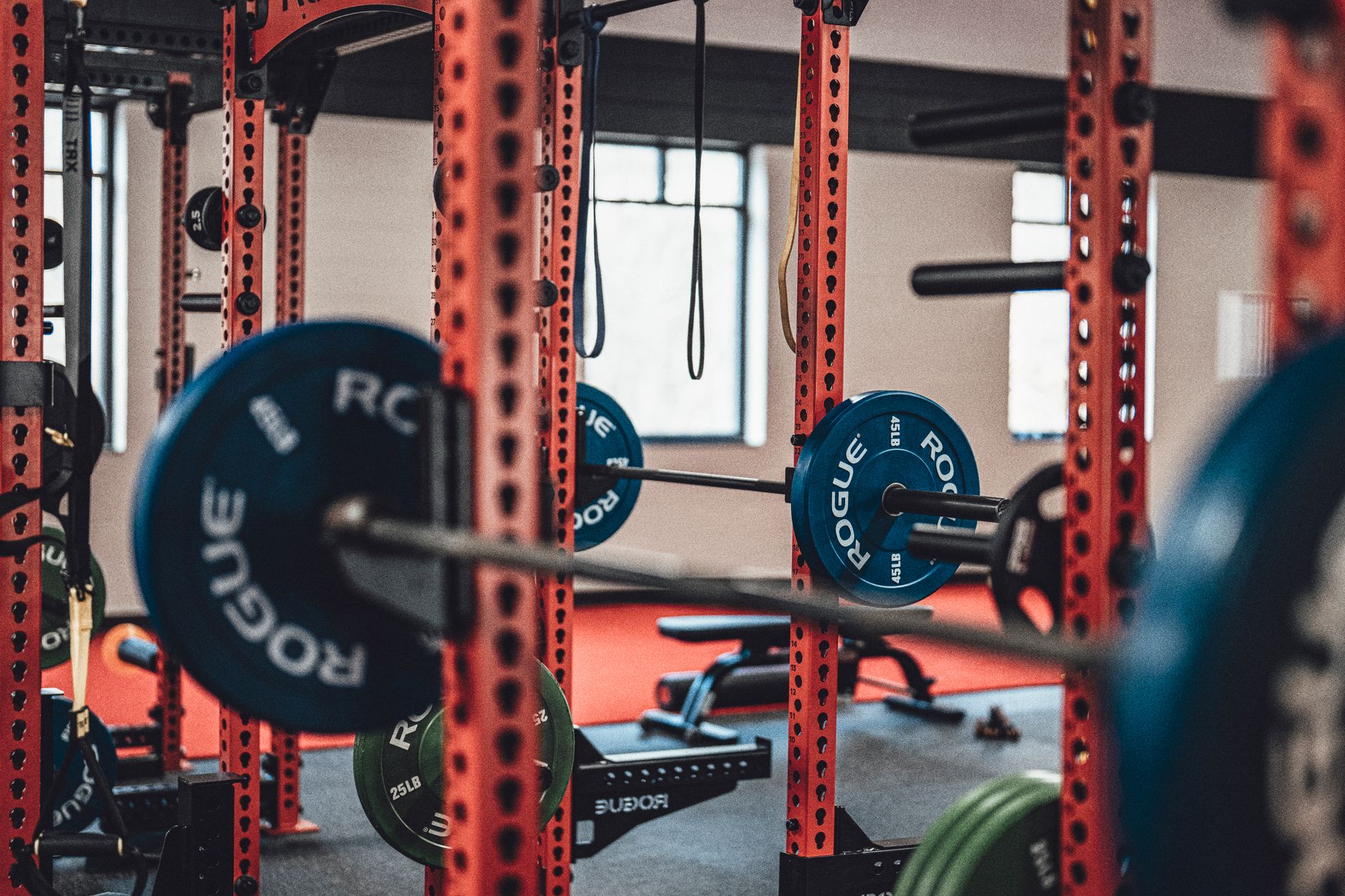
Pausing at the hardest point of a lift strips away momentum and forces your muscles to own the position. Most people avoid it for exactly that reason.
Read more →
Isometric holds aren't a rehab tool or a beginner trick. They're one of the most undertrained stimuli in serious lifting.
Read more →
Eliminating the stretch reflex with a dead stop mid-rep is uncomfortable, humbling, and probably the most underused technique in hypertrophy training.
Read more →
Counting seconds on every rep feels tedious - until you realise you've been cheating yourself out of half the stimulus.
Read more →
Wave loading isn't a programming hack - it's a direct manipulation of how your nervous system responds to heavy weight.
Read more →
Most people tack carries onto the end of a session. That's backwards - and it's why they're not getting much out of them.
Read more →
Rest-pause training isn't a shortcut. It's a specific tool that lets you accumulate more reps at a hard weight than straight sets allow.
Read more →
Supersets and circuits get all the attention, but straight sets done properly are still the most reliable tool for building strength.
Read more →
Cluster sets let you lift heavier than standard sets by inserting micro-rests mid-set - and the strength carryover is real.
Read more →
Cluster sets let you lift heavier for more total reps than straight sets - and most lifters have never tried them.
Read more →
Pause reps at the end of a set aren't just a technique cue - they expose exactly what's broken in your movement.
Read more →
Farmer's carries and their variations build grip, core stability, and real-world strength in ways most isolation work simply can't match.
Read more →
Cluster sets let you accumulate volume at weights you couldn't otherwise sustain - and most lifters have never touched them.
Read more →
Cluster sets let you lift heavier for more total reps without grinding through ugly form. Here's how the method actually works.
Read more →
Training at 60–70% effort feels like slacking. It's actually where a lot of lasting strength gets built.
Read more →
Most people's programs are heavy on pressing and light on rows. That imbalance shows up in posture, shoulder health, and eventually pain.
Read more →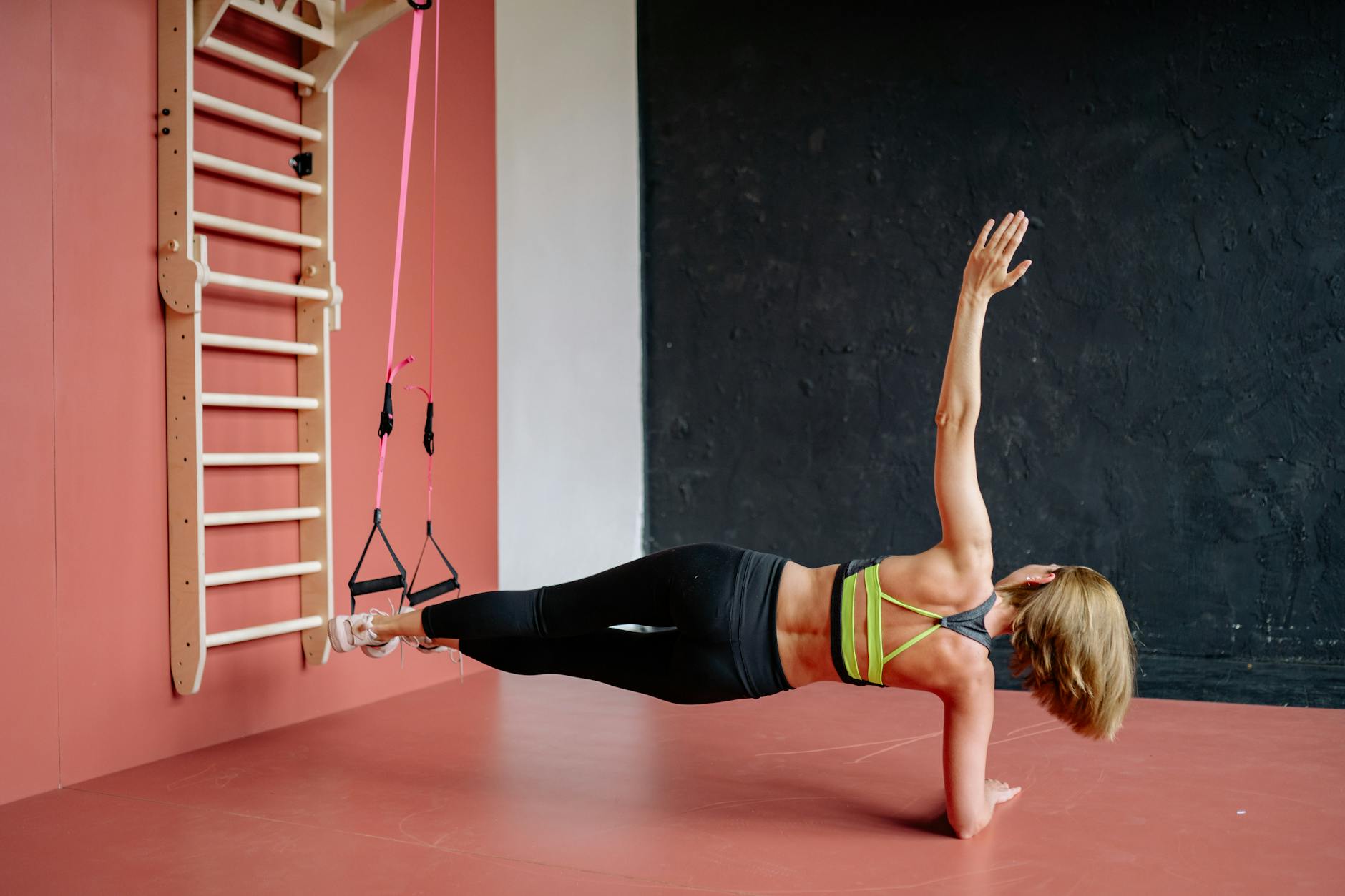
Isometrics aren't just for rehab. They fill a gap in most training programs that dynamic reps simply can't address.
Read more →
A 20-minute, no-equipment tabata workout targeting the abs, obliques, back, and deep core through three 4-minute high-intensity circuit blocks.
Read more →
Cluster sets break your rest periods into the middle of a set - and that small change lets you lift heavier for longer.
Read more →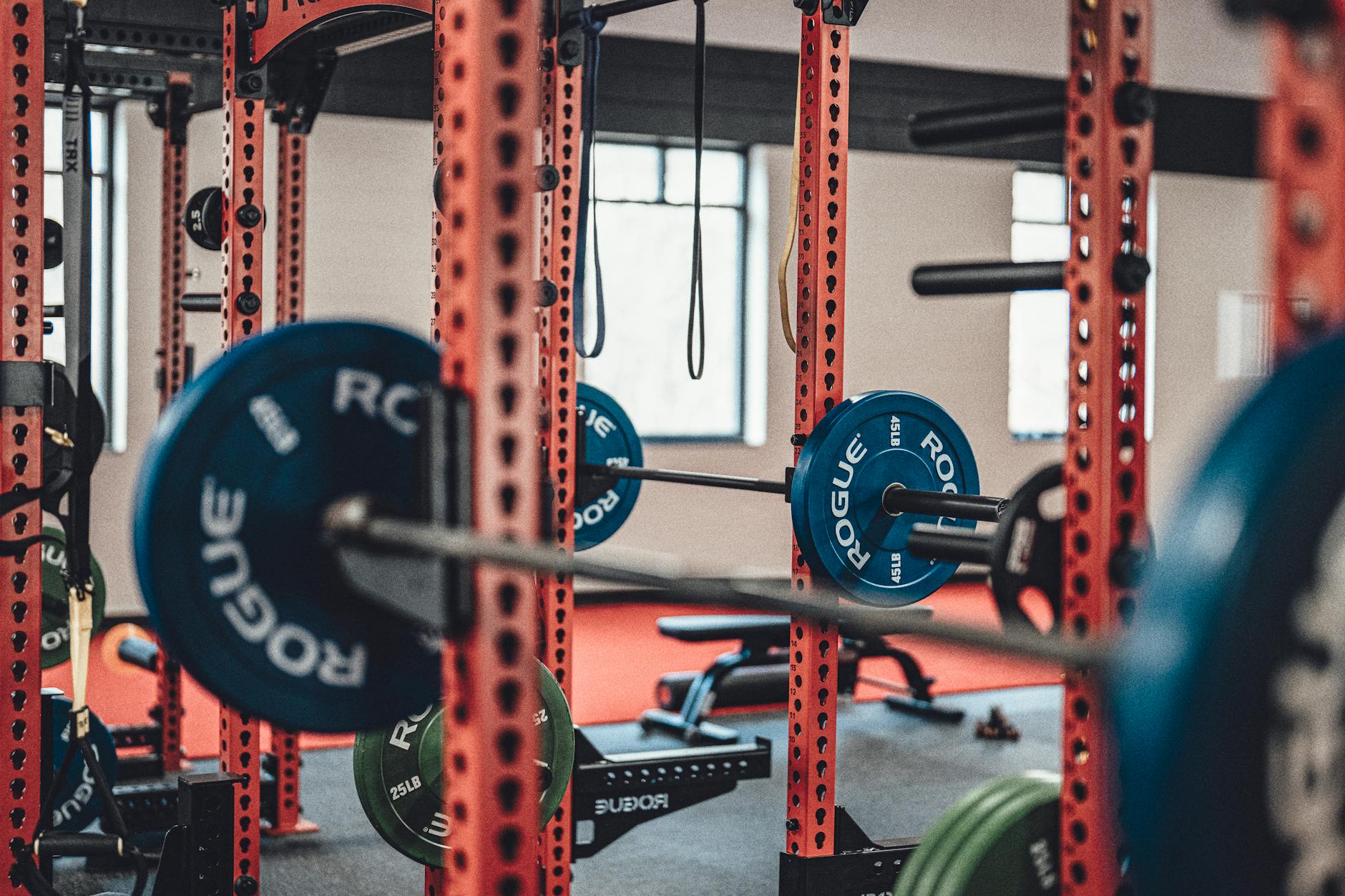
Cluster sets break a single heavy set into mini-rests, letting you lift loads you couldn't otherwise touch for multiple reps.
Read more →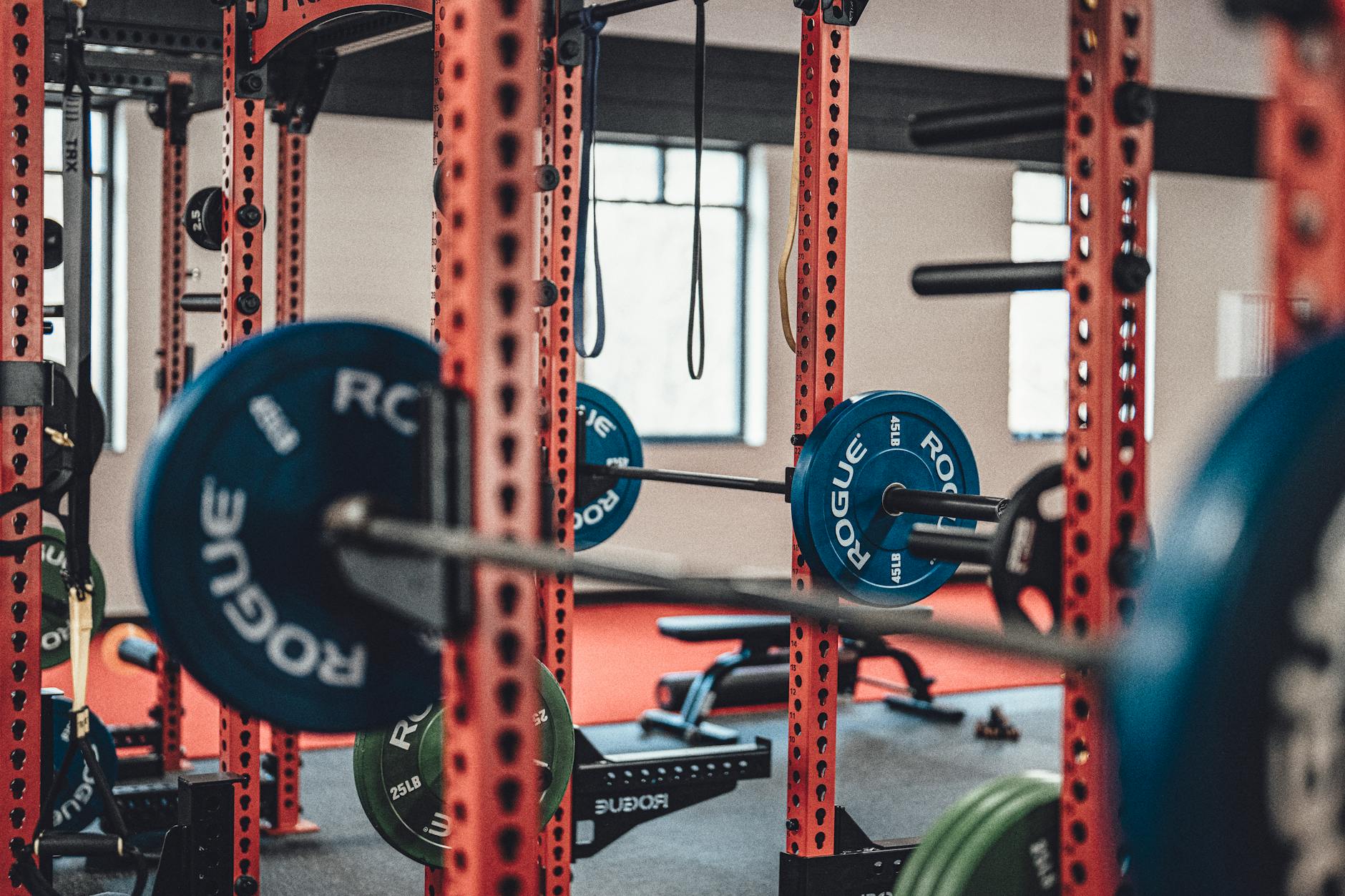
Cluster sets break your working set into mini-bursts with short intra-set rest. The result: more reps at heavier loads than straight sets allow.
Read more →
Two common workout concerns - fasted training and split sessions - explained. For most people, neither approach undermines your results.
Read more →
Isometric holds look like nothing is happening. That's exactly why most people underestimate them.
Read more →
Pausing mid-rep feels like cheating. It's actually one of the harder things you can do in a set.
Read more →
Isometric holds don't look impressive, but they expose weaknesses that reps alone never reach - and fix them faster than you'd expect.
Read more →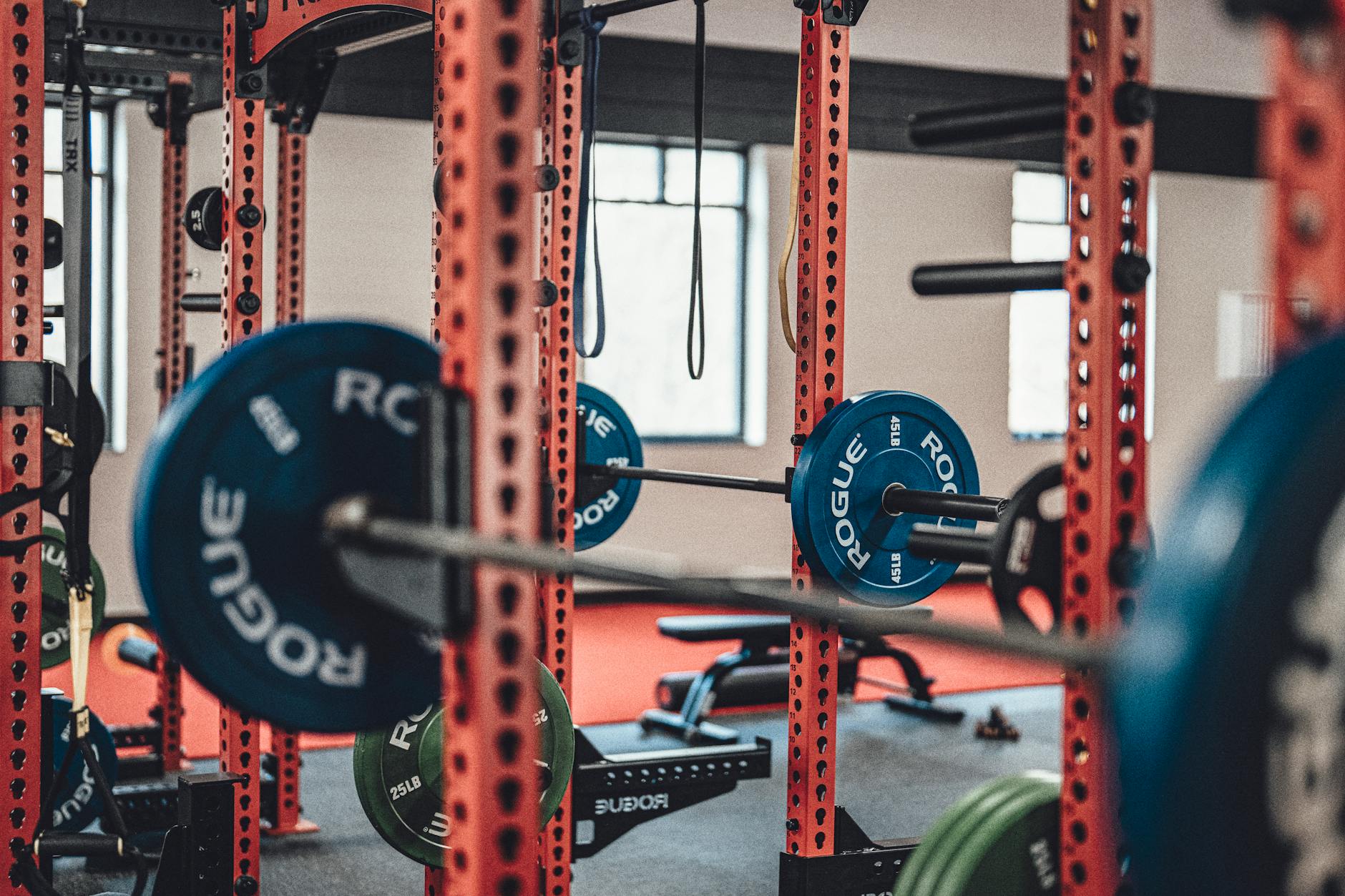
Pausing mid-rep under load exposes weaknesses that tempo training and failure sets never touch.
Read more →
Pausing mid-rep under load exposes weaknesses that full-range reps let you hide - and builds strength in the positions that actually matter.
Read more →
Pausing mid-rep under load is uncomfortable enough that most people never do it. That discomfort is exactly the point.
Read more →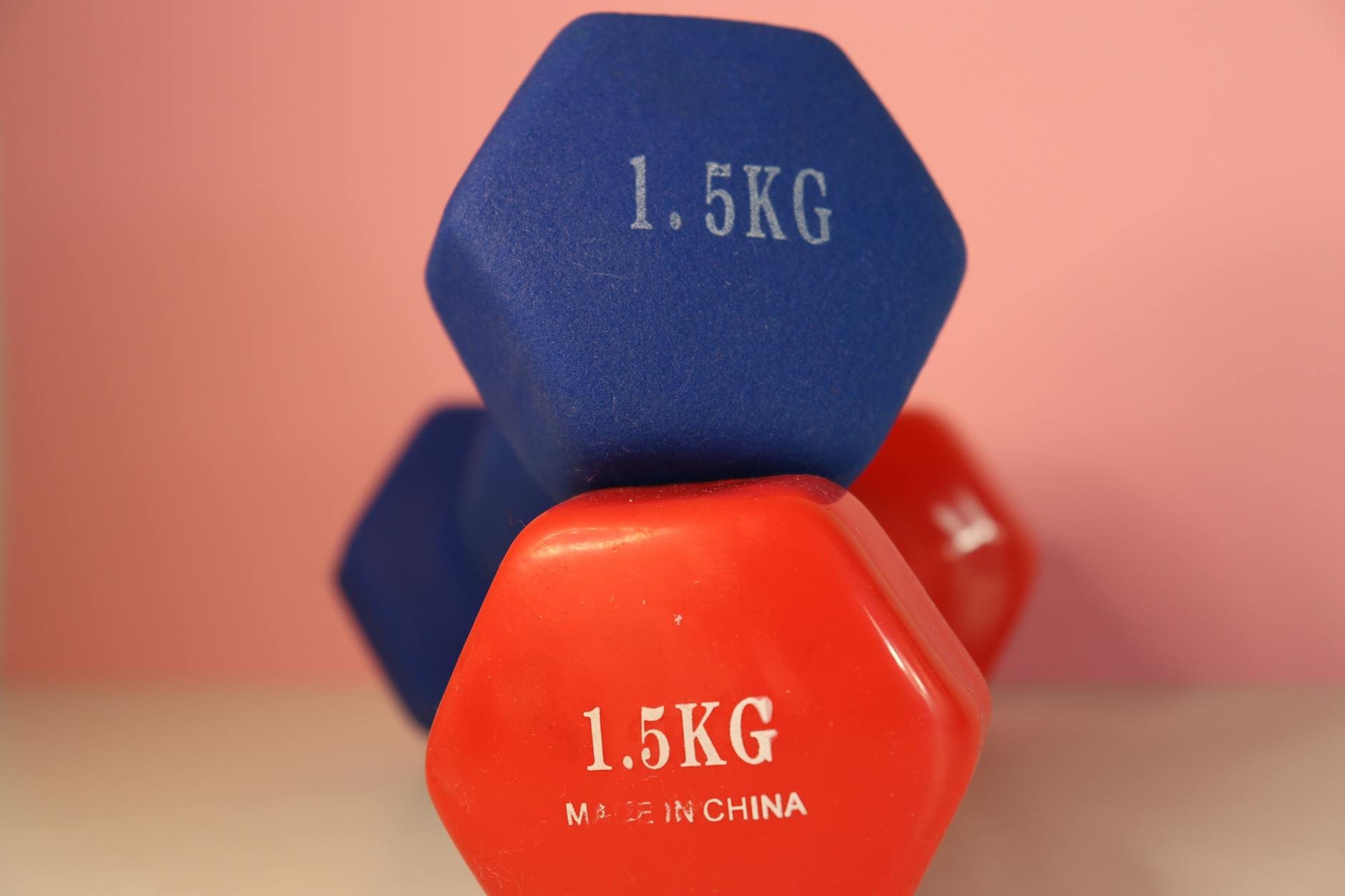
A walkthrough of Day 1 in the MenoFit program, a menopause-focused strength training plan with flexible options for bodyweight, home, and gym training.
Read more →
Rucking - walking with a weighted backpack - combines cardio and resistance training into one accessible workout. Here's how to start and what to expect.
Read more →
Slowing down the eccentric phase of a lift changes the stimulus entirely - and most people have never tried it intentionally.
Read more →
Slowing down your reps on purpose isn't a beginner trick - it's one of the most underused tools in serious strength training.
Read more →
Bilateral lifts feel stronger, look more impressive, and hide exactly the imbalances that eventually injure you.
Read more →