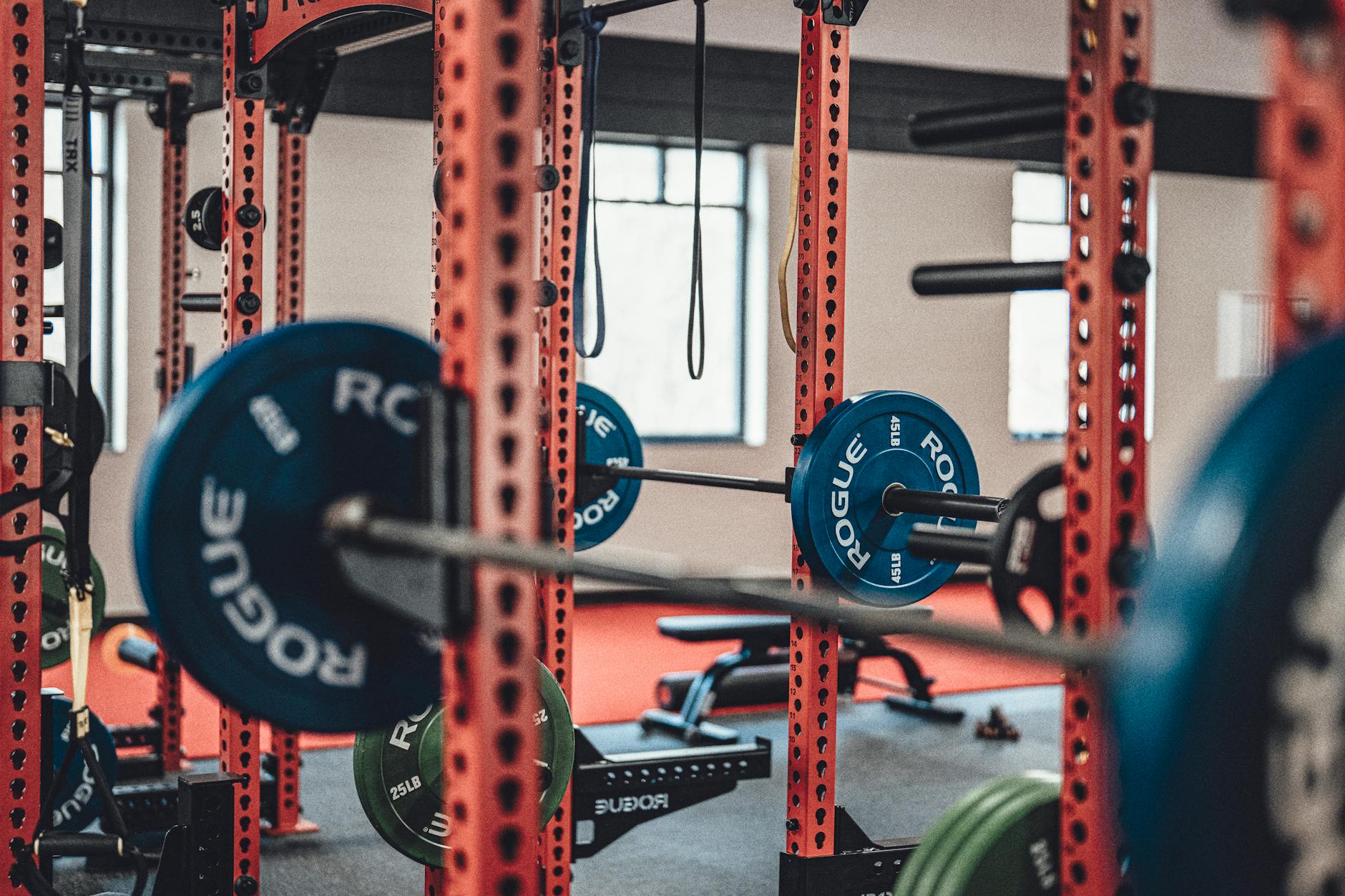
Most people treat rest as something that happens between sets, not inside them. Cluster sets flip that assumption - and the result is access to loads that would otherwise be out of reach.
The structure is simple: instead of completing all your reps consecutively, you break the set into small clusters with short intra-set rests. A common format is 3-1-3-1-3 - three reps, rack the bar for 10–20 seconds, three more reps, rack again, three more. You’ve done nine reps at a weight that might otherwise limit you to five or six before form breaks down.
Why the Short Rest Actually Changes Things
The mechanism isn’t complicated. ATP-PCr - the phosphocreatine energy system - partially replenishes within 10–20 seconds of rest. That brief window is enough to recover a meaningful portion of your explosive capacity without letting your central nervous system fully stand down. You’re still under cumulative fatigue from the set as a whole, but each mini-cluster starts with slightly fresher high-threshold motor unit recruitment than a straight set would allow.
The practical effect: you can spend more time moving heavier loads. That’s relevant for strength development specifically, since neural adaptation responds to the absolute weight on the bar as much as total volume.
How to Actually Program Them
Cluster sets work best on compound lifts where technique degrades before true muscular failure - squats, deadlifts, bench press, overhead press. They’re not particularly useful for isolation work where load is lighter and the rep ceiling is higher anyway.
A reasonable starting point is 85–92% of your one-rep max with cluster formats of 2–3 reps per mini-cluster, 15–20 seconds between clusters, and 2–4 full sets total. The intra-set rest should be genuinely short - enough to partially recover, not enough to fully reset. If you’re fully catching your breath, you’ve turned it into a regular set with a long pause.
Volume needs to come down elsewhere on days you use clusters. The load is high, and the fatigue accumulation is real even if each individual cluster feels manageable.
The One Limitation Worth Naming
Cluster sets demand honest load selection. The technique only earns its complexity if the weight actually requires the intra-set rest - at moderate loads, you’d get equivalent stimulus from standard sets with less logistical overhead.
Whether clusters are worth the setup depends entirely on where you are in a training cycle. For anyone who’s been grinding the same top-set weight for weeks, they offer a way to train heavier without the all-or-nothing pressure of a true max effort - which is not a small thing.