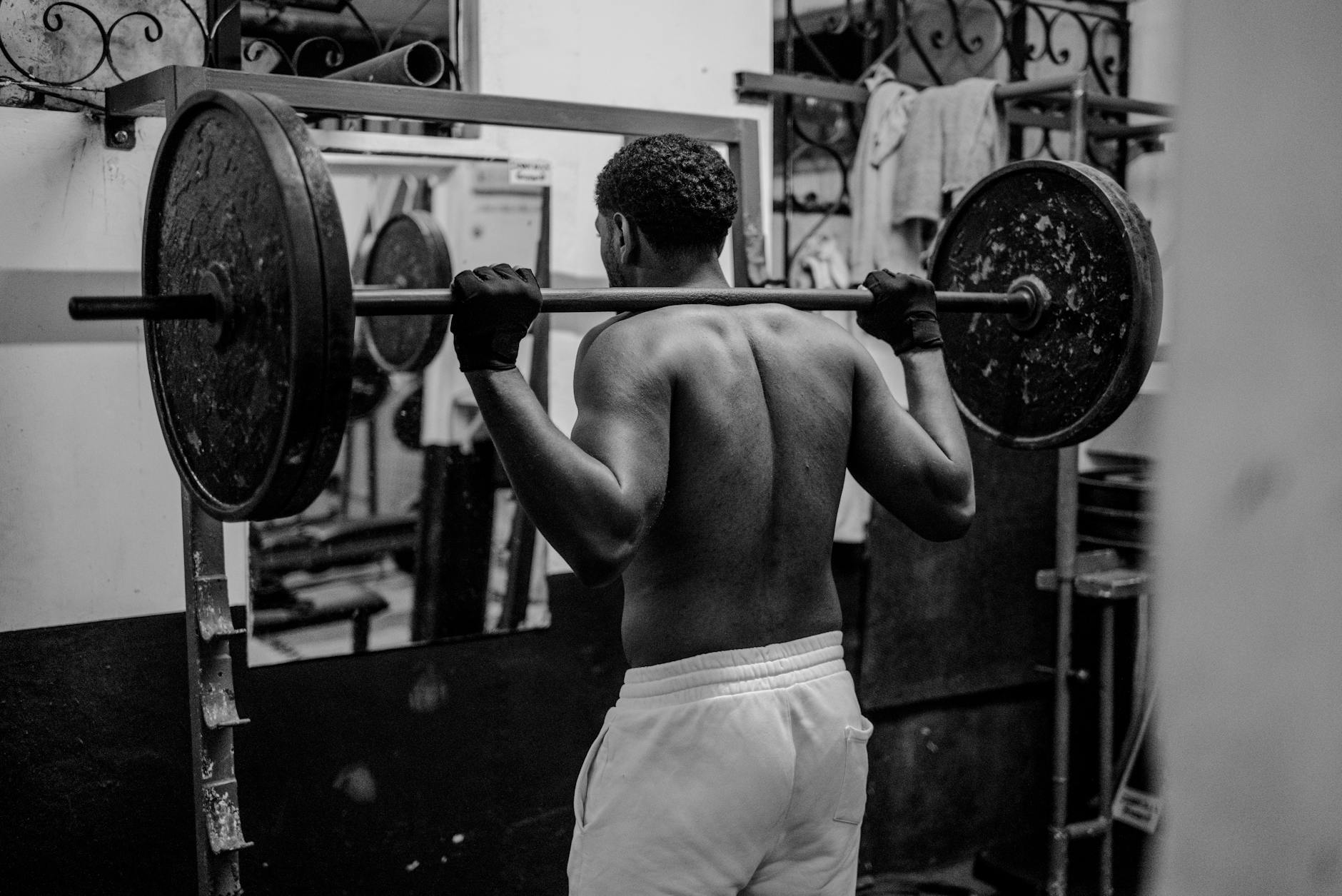
Most lifters treat the bottom of a squat or the top of a pull-up as a checkpoint - something to pass through on the way to the next rep. Isometric holds flip that logic. You stop exactly where the movement is hardest and stay there.
An isometric contraction is muscle activation without joint movement. When you pause at the bottom of a Romanian deadlift for three seconds, your hamstrings are working against a fixed load at maximum stretch. You’re not recovering - you’re accumulating time under tension at the worst possible moment. That’s the point.
Where Isometrics Actually Show Up
The cleanest application is paused lifting: squat to parallel and hold for two to three seconds before driving up, or pause a bench press with the bar one inch off your chest. These aren’t gimmicks - they remove the elastic energy that the stretch-shortening cycle provides in a normal rep. That rebound effect from bouncing out of the hole is real, and it masks how weak you actually are in that position.
Isometric holds also appear in bodyweight training. A wall sit is an isometric quad contraction. A dead hang - hanging from a bar without swinging - loads the shoulder girdle statically. Neither looks impressive. Both expose weaknesses quickly.
The Specific Strength Argument
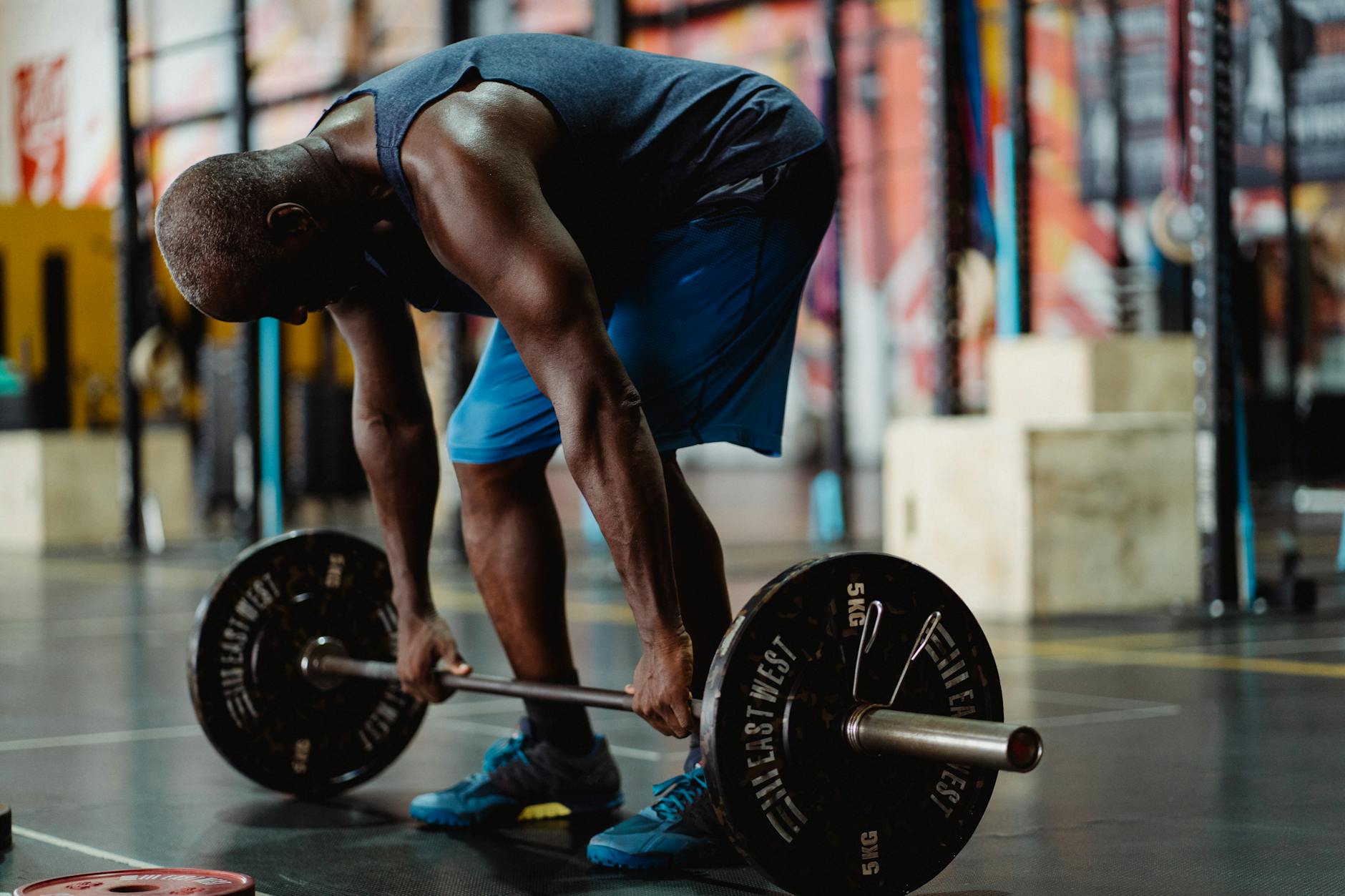
Strength built through an isometric hold is somewhat angle-specific - your nervous system gets better at producing force in that particular joint position. This is a limitation if isometrics are all you do, but it’s an asset when you layer them into a conventional program. Pausing at the sticking point of a lift - the exact angle where most people fail - builds strength precisely where it’s needed.
For a bench press, that’s usually a few inches off the chest. For a squat, it’s just below parallel. Spending two to three seconds there once or twice a week produces noticeable carryover within a few training cycles, though individual response varies.
The Practical Version
You don’t need a separate isometric protocol. Take one compound movement per session and add a two-second pause at the hardest position. Drop the load by around 10–15% to account for the added difficulty. That’s it.
The discomfort of staying still under a bar tells you more about where your strength actually lives than any rep you’ve ever rushed through.