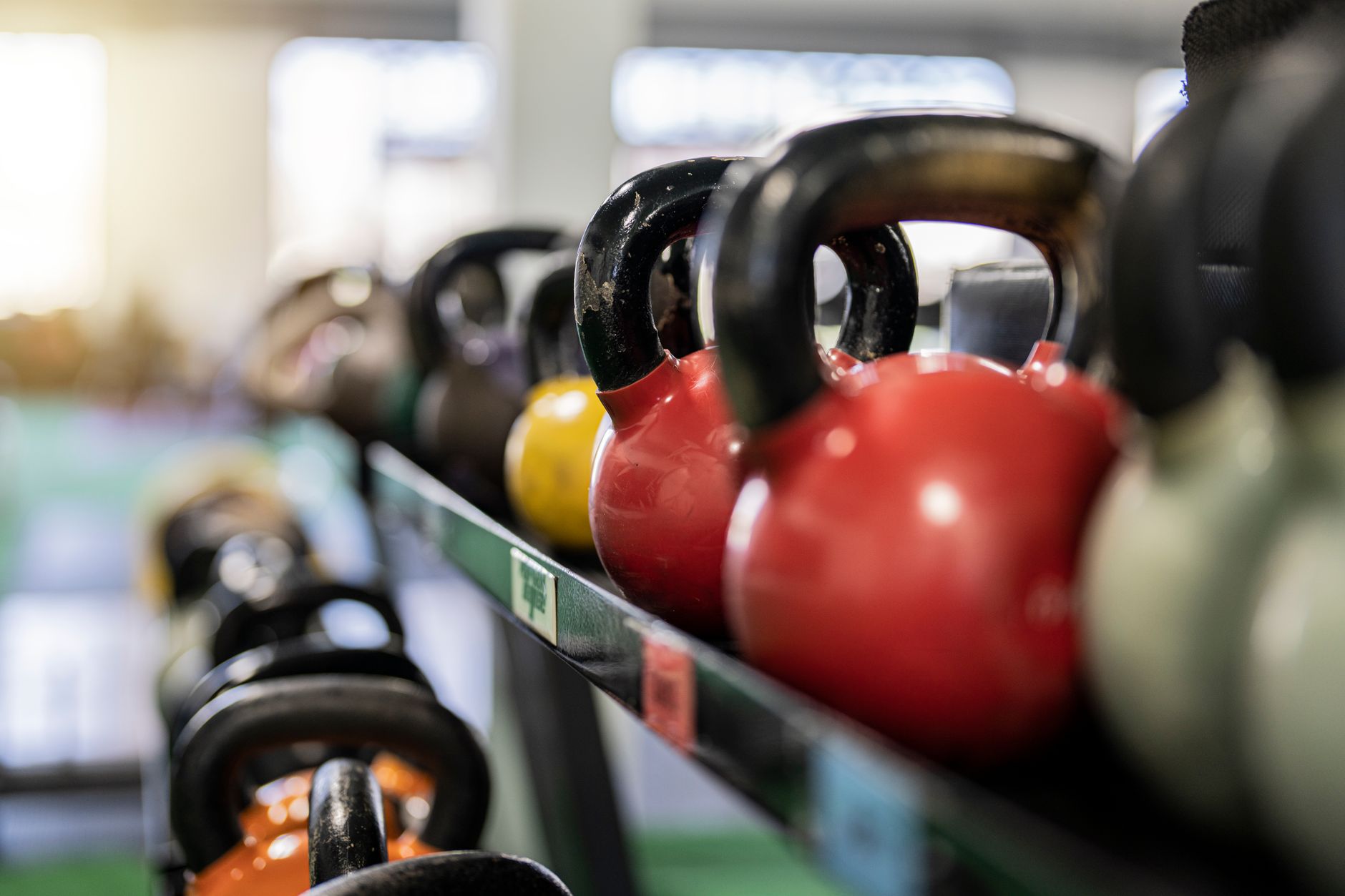
Most gyms have dumbbells, kettlebells, and trap bars sitting unused for loaded carries. People walk past them to do cable crunches and lat pulldowns. That’s a reasonable choice if you’re training for aesthetics on a body part split - but if you’re after functional strength, grip endurance, or core stability that actually transfers, carries deserve a dedicated place in your program.
What a Carry Actually Trains
The honest answer is: almost everything at once. Farmer carries - walking with heavy implements held at your sides - load your grip, traps, upper back, obliques, glutes, and the deep stabilizers of your lumbar spine simultaneously. Your core isn’t bracing against a fixed resistance like it does in a plank. It’s resisting lateral shift and rotation while you’re moving, breathing, and under load. That’s a different stimulus, and most people have never really felt it.
The trap bar carry is particularly useful here. Because the load sits closer to your center of mass than dumbbells held at arm’s length, you can go heavier, which increases the demand on your upper back and teaches your body to stay tall under serious weight.
The Variations Worth Adding
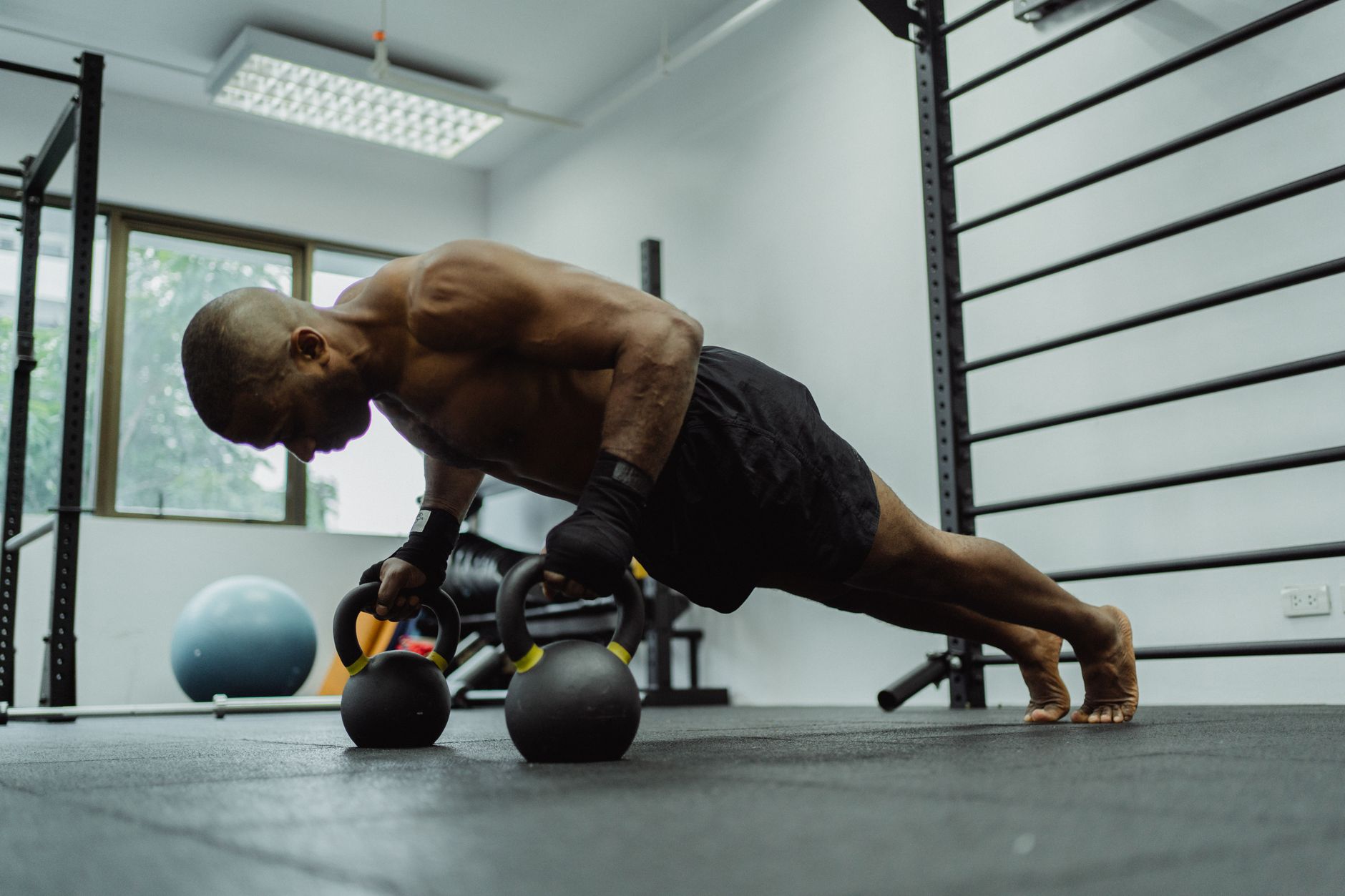
Suitcase carries - one implement in one hand - are where the oblique and quadratus lumborum demand spikes. The unilateral load tries to pull you into lateral flexion with every step. Resisting that without twisting is genuinely hard and directly relevant to anyone who has ever had lower back issues from asymmetrical loading patterns.
Overhead carries with a kettlebell or dumbbell train shoulder stability in a way pressing movements don’t, because the demand is sustained rather than momentary. They’re also good at exposing shoulder weakness quickly.
How to Program Them
Carries don’t need their own training day. Three to four sets at the end of a lower or full-body session is enough. Pick a distance - 20 to 40 meters works well - rather than programming them by reps. For the farmer carry, working up to your bodyweight split across both hands (so half bodyweight per hand) is a reasonable strength target for most people.
Grip will fail before anything else when you first start. That’s fine. It adapts quickly.
The thing most people miss is that carries aren’t a finisher or a conditioning add-on. They’re a strength movement that happens to involve walking. Train them that way - heavy, controlled, and with full recovery between sets.