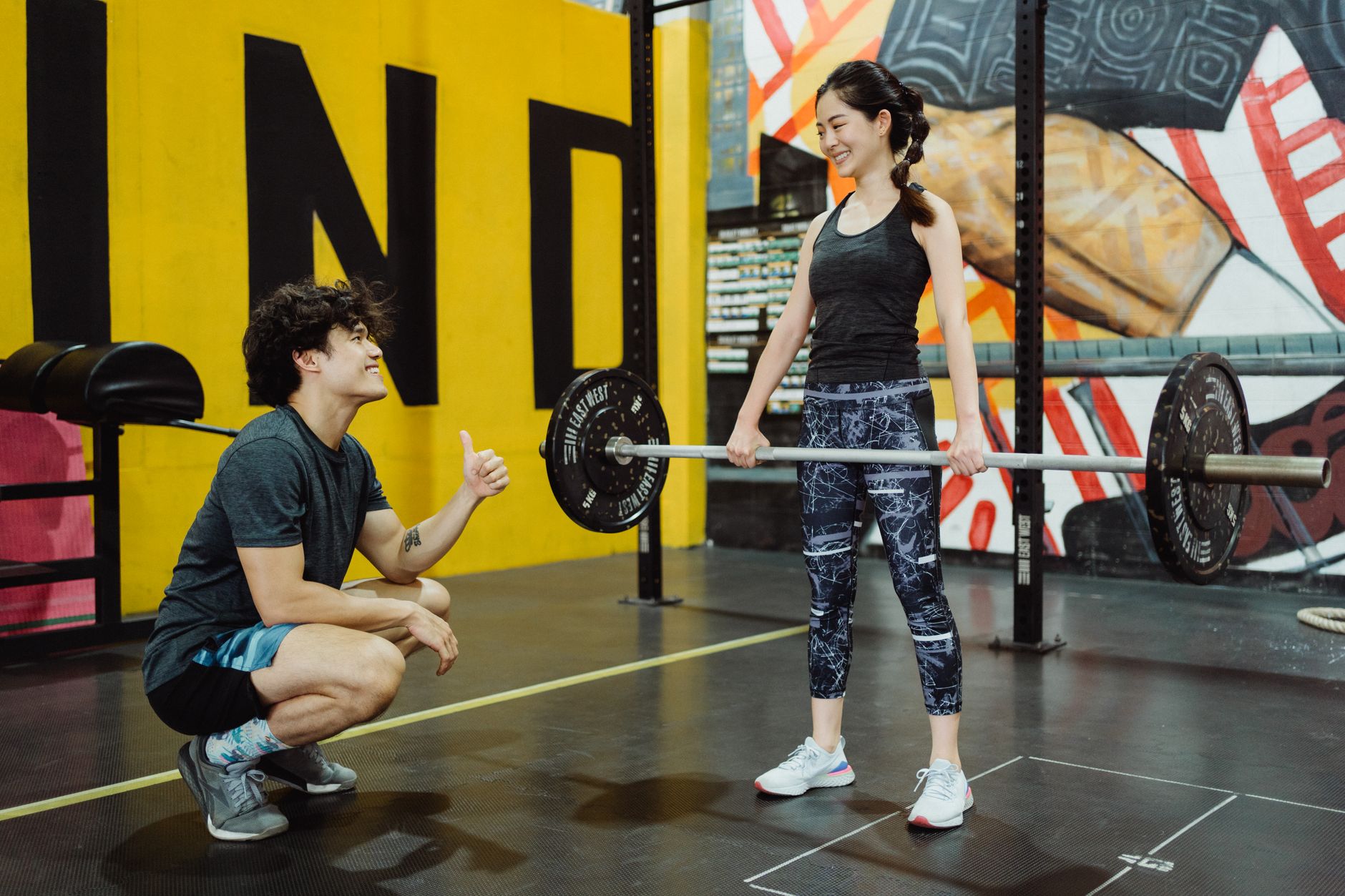
Bilateral lifts feel stronger, look more impressive, and hide exactly the imbalances that eventually injure you. That’s the short version of why unilateral leg training deserves more than a token set of lunges at the end of a session.
What Bilateral Lifts Can’t Tell You
When you squat or deadlift with both legs, your dominant side compensates. It does this quietly, without announcing itself. You might notice it as a bar drift, a slight knee cave, or just a vague sense that one hip works harder - but most people attribute that to technique and move on. The real issue is that bilateral loading allows your stronger side to mask a meaningful strength deficit in the weaker one. A 10–15% asymmetry between limbs is common in people who train consistently but never do single-leg work. That gap matters more as loads increase.
The Specific Value of the Bulgarian Split Squat
Of all single-leg exercises, the Bulgarian split squat (rear foot elevated split squat) is the one worth building a habit around. It loads the front leg heavily through a deep range of motion, trains hip flexor length on the rear leg passively, and exposes stability weaknesses at the hip and ankle that a regular squat never would. It also requires no barbell - a pair of dumbbells is enough to make it genuinely hard.
The technique point most people miss: the front foot position determines what the exercise trains. A closer foot placement emphasizes the quad. A longer stride shifts more load to the glute and hip. Neither is wrong; they’re just different targets.
Why It’s Uncomfortable to Start
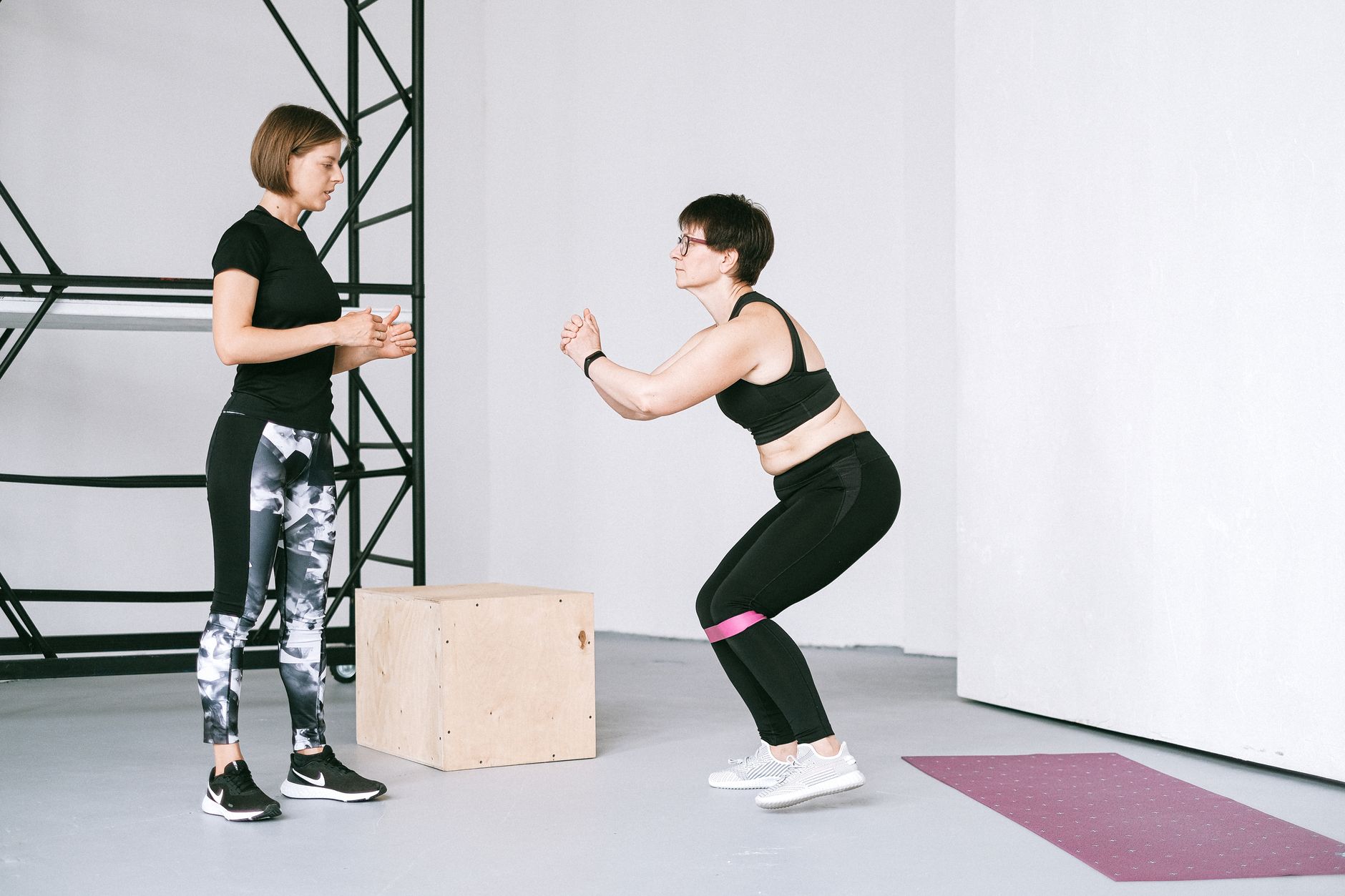
The first few sessions of Bulgarian split squats feel more like balance practice than strength training. That’s not a bug. Your nervous system is calibrating coordination patterns it hasn’t needed before. Most people interpret this as weakness and abandon the exercise. Staying with it for three to four weeks is usually enough for the balance component to become automatic - and then the actual strength stimulus becomes clear.
Programming It Without Overthinking
Two working sets per leg, two to three times a week, placed after your main bilateral lift, is enough to see change. That’s it.
What’s harder to predict is which imbalances will surface once you start. Some people discover a hip stability issue. Others find their weaker ankle is the actual limiting factor. The exercise has a way of pointing at the next problem - which is either useful information or the beginning of a longer rabbit hole, depending on how you look at it.