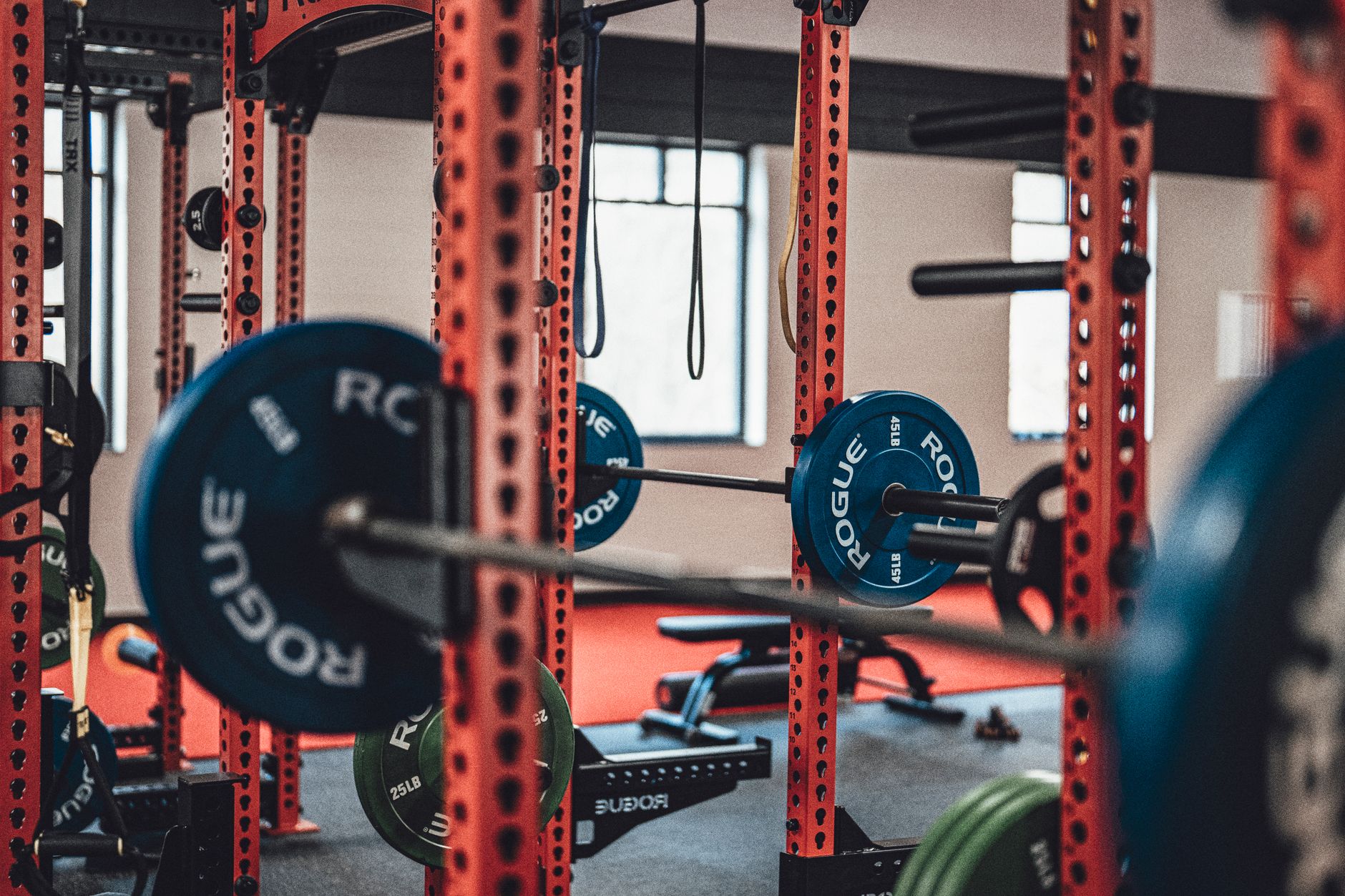
Most lifters treat rest as something that happens between sets. Cluster sets move it inside the set, and that small structural change lets you handle loads that would otherwise fall apart after three reps.
The mechanics are straightforward. Instead of doing five reps straight through, you break the set into mini-clusters - say, two reps, a ten-second rack rest, two more reps, another ten seconds, then a final rep. Same total volume. Meaningfully heavier bar.
Why the Weight Jump Actually Happens
Fatigue within a set is largely phosphocreatine depletion. Your muscles can regenerate a significant portion of phosphocreatine within ten to fifteen seconds - short enough to keep you under the bar, long enough to partially reset your capacity for force output. That’s not speculation; it’s the basic biochemistry behind why intra-set rest works. The practical result is that you can use loads closer to your one-rep max for more accumulated reps than conventional sets would allow. That means more time under tension at high intensities, which is the specific stimulus that drives maximal strength development.
How to Structure Them
Clusters work best on compound movements where load is the actual limiting factor - deadlifts, squats, bench press, overhead press. They’re less useful on accessory work where you’re chasing muscle fatigue rather than force output.
A simple starting format: pick a load around 85–90% of your one-rep max. Set your cluster as 2-2-1, with 10–15 seconds of rack rest between each mini-cluster. Do three to four of these in a session. Rest between full clusters the same way you’d rest between heavy working sets - at least two minutes, probably three.
The reps per cluster can vary. Some coaches use 3-2-1 formats; others prefer straight doubles. What matters is that each mini-cluster ends before technique degrades. The rest exists to protect quality, not just to inflate total reps.
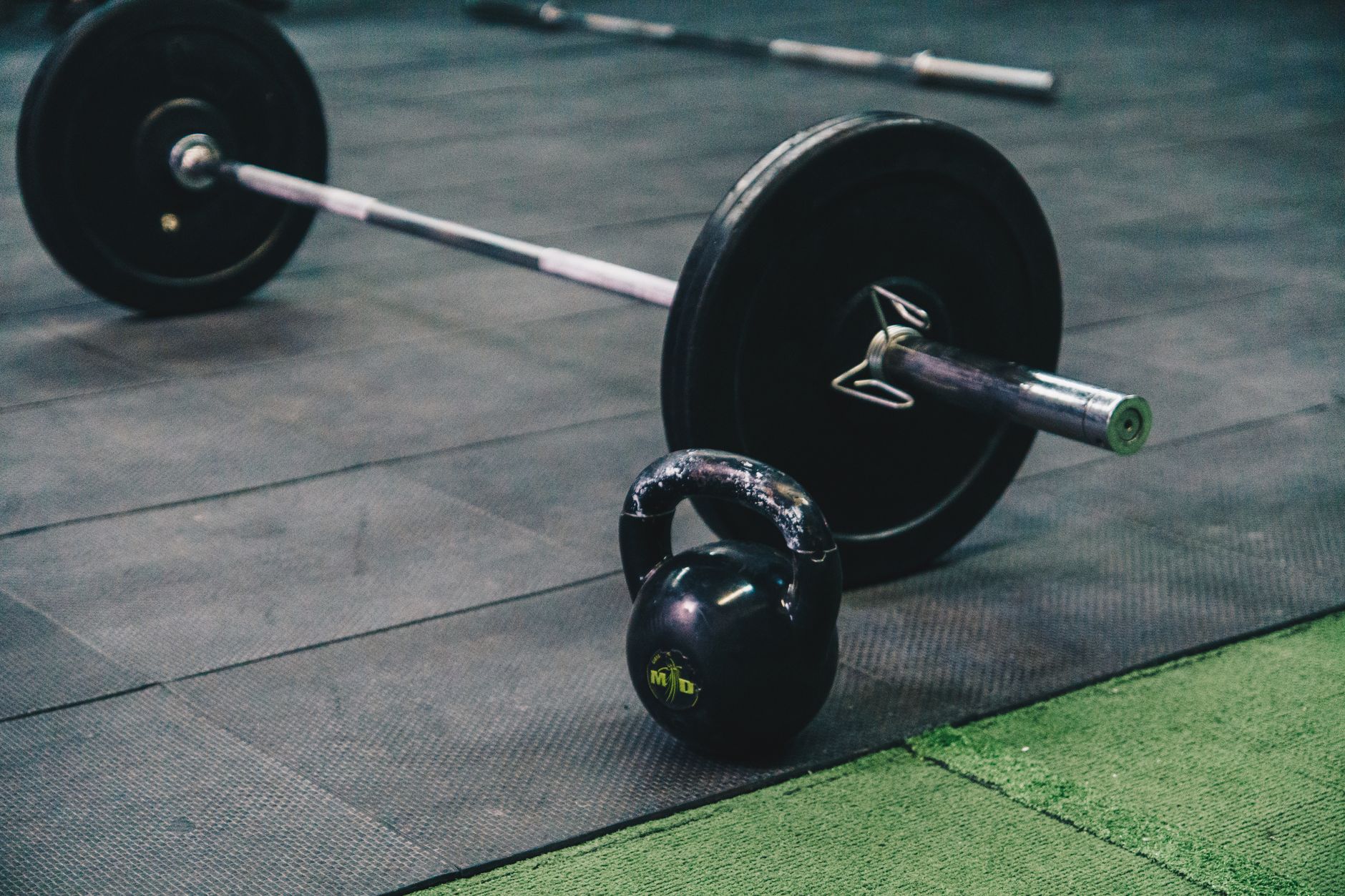
The Short Version
If you’ve been stuck at the same working weight for a while and your technique is fine, the issue might just be accumulated fatigue within the set itself. Clusters are one of the cleaner ways to isolate that variable.
One Thing Worth Watching
Lifters new to cluster training tend to make the intra-set rest too long - thirty seconds or more - which effectively turns the method into just doing singles. Keep it short enough that you’re still working, not fully recovering. Where exactly that line sits will vary by individual, and figuring it out is part of learning to use the method well.