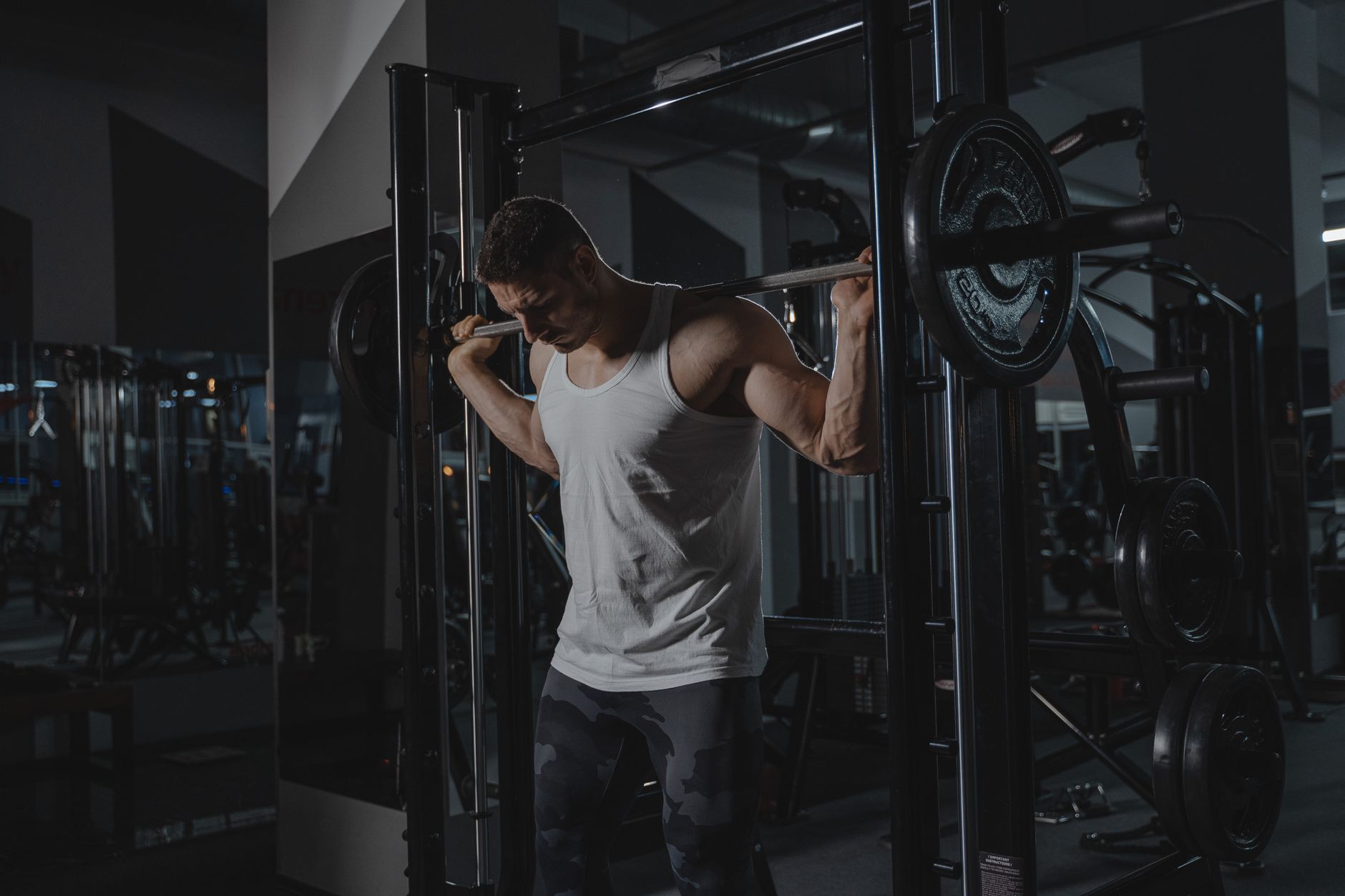
Pausing mid-rep feels like cheating. You’re not moving, you’re not grinding through a full range, you’re just… holding. But that stillness is where a lot of real strength development happens - and most recreational lifters skip it entirely.
An isometric contraction is any muscular effort that produces tension without a change in joint angle. Your muscle is working hard; the weight isn’t going anywhere. That can happen at the bottom of a squat, mid-pull on a deadlift, or at the top of a curl. The position you choose changes everything.
Why Position Matters More Than Duration
Most people default to end-range holds - top of the curl, lockout on a press. Those have their place, but mid-range isometrics tend to produce more tension because that’s where the muscle is at its longest under load. A two-second pause at the bottom of a Bulgarian split squat, with your rear knee an inch off the floor, recruits more total muscle than holding the standing position for ten seconds. The discomfort is informative: it tells you where your strength actually breaks down.
There’s a practical carryover too. Sticking points in compound lifts are usually positional - the point where your leverages go from favorable to bad. Pausing there in training forces your body to generate force without momentum, which is exactly what’s required when a rep gets heavy enough to slow down.

How to Actually Use Them
You don’t need to rebuild your entire program. The simplest approach is adding a 2–3 second hold at the hardest point of your existing sets - the bottom of a press, the parallel position of a squat, the point just below the knee on a Romanian deadlift.
Keep reps lower than you think. A set of five squats with a 3-second pause at the bottom is significantly harder than a set of eight without one, even at the same load. Plan for that when you’re writing weights.
Pause reps also expose technique breakdowns instantly. If your knees cave the moment you stop moving, that’s not a mobility problem - it’s a strength gap. The pause just makes it visible.
The One Context Where It’s Essential
If you’re coming back from time off or working through a weak movement pattern, isometric holds are probably the most underused tool available. They let you accumulate time under tension at a specific joint angle without the loading demands of full-range work. That’s not a workaround - it’s targeted development.
The hold is the rep. Treat it that way.