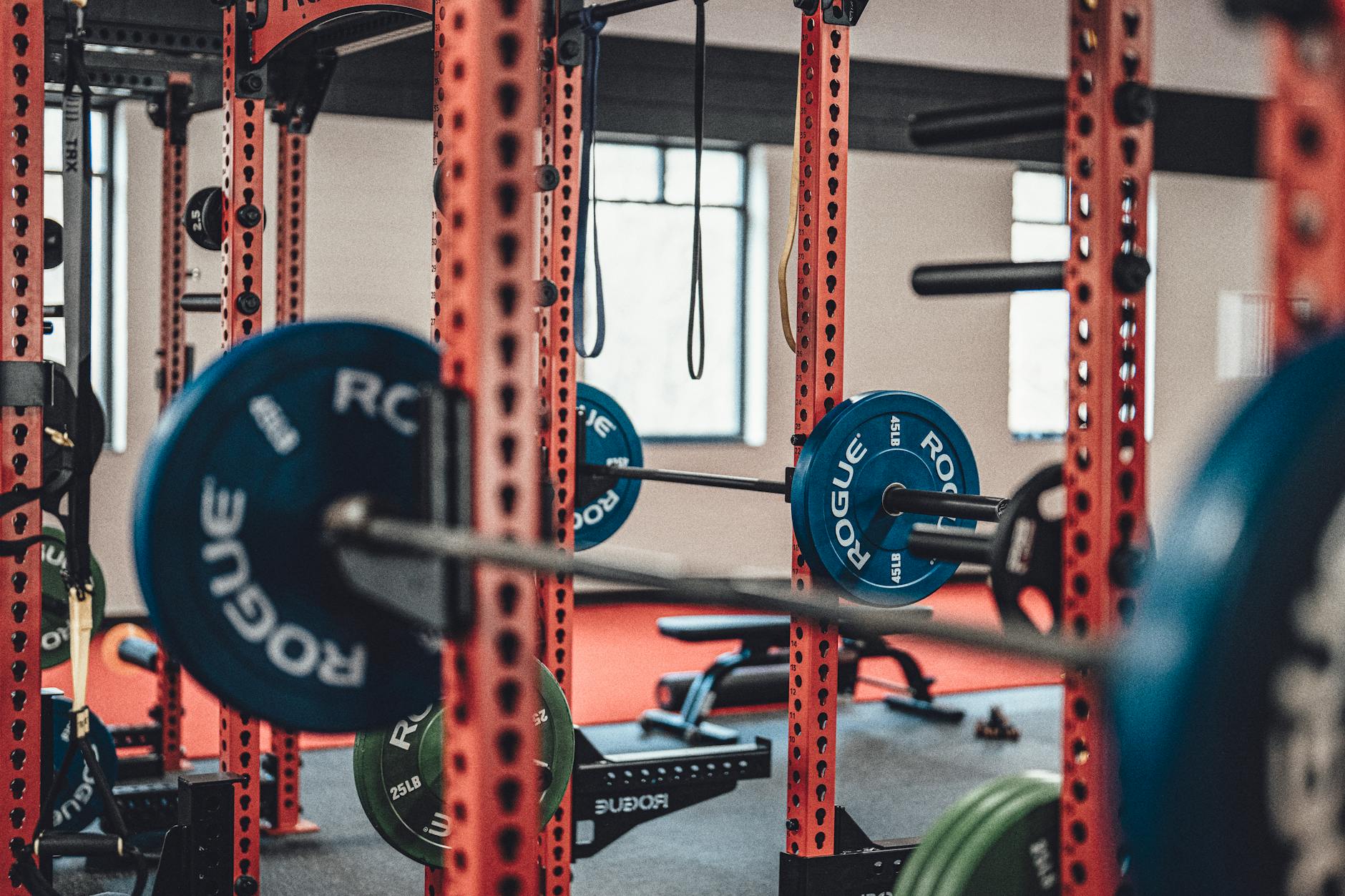
Most lifters treat rest as something that happens between sets. Cluster sets put rest inside the set - and that small shift unlocks a meaningfully different training stimulus.
The structure is simple. Instead of doing, say, 5 continuous reps at 85% of your max, you do 1–2 reps, rack the bar for 10–20 seconds, do another 1–2 reps, rack again, and continue until you’ve accumulated the target volume. The intra-set rest lets your phosphocreatine system partially recover, which means you can sustain higher force output across more total reps than a straight set at the same load would allow.
Why This Matters Beyond the Novelty
The case for cluster sets isn’t about making training feel different. It’s about the relationship between load and volume. Strength and hypertrophy both respond to mechanical tension, and mechanical tension is higher at heavier loads. The problem with straight sets is that fatigue accumulates fast - by rep 4 or 5 of a heavy set, bar speed drops, form degrades, and the later reps are functionally different from the earlier ones.
Clusters interrupt that fatigue curve. You’re still doing the same number of reps, but more of them happen under high-tension, high-velocity conditions. For athletes or lifters focused on power, this is particularly relevant - you’re essentially doing repeated near-fresh efforts rather than grinding through accumulated fatigue.
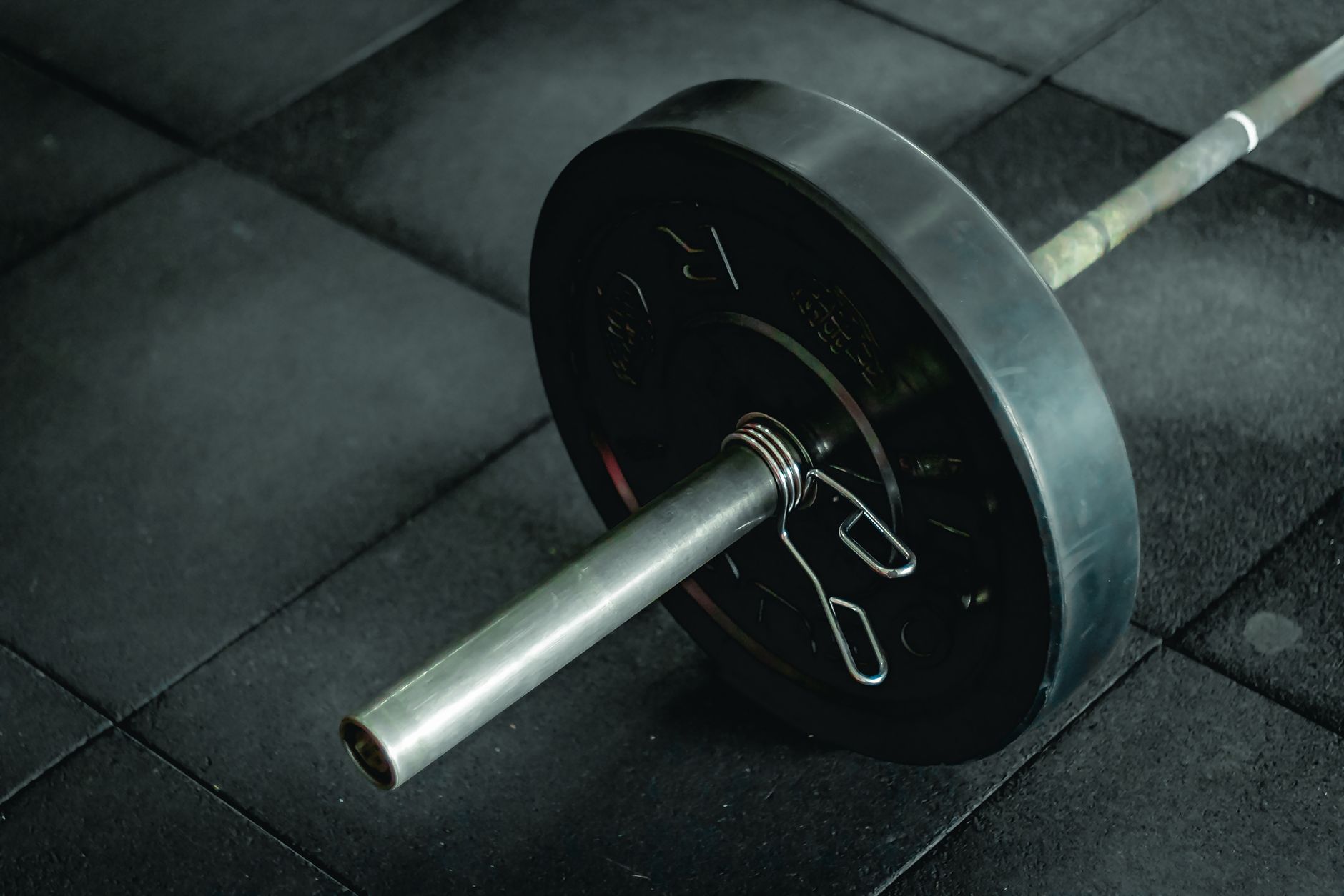
How to Actually Program Them
Cluster sets work best on compound movements where load is the limiting factor: squats, deadlifts, bench press, overhead press. They’re less useful on isolation work where the movement itself is the constraint.
A practical starting point: take a load you’d use for a 4–5 rep max and use it for a cluster of 6–8 total reps broken into singles or doubles with 15-second racks between efforts. Rest 2–3 minutes between full clusters. Two or three clusters per exercise is usually enough - this method accumulates fatigue systemically even when local fatigue feels managed.
One thing to watch: the intra-set rest should be short enough that you’re not fully recovering, but long enough to reset your grip, breath, and position. Twenty seconds is usually the ceiling before it stops functioning as a cluster and starts functioning as just a lot of singles.
The Honest Limitation
Cluster sets are slower. A workout built around them takes longer than the same volume in straight sets, and they require a rack or a surface to safely set the bar down between efforts. If you’re training in a crowded gym or under time pressure, they’re genuinely impractical.
But for anyone who has hit a wall on a compound lift and suspects the issue is that they can’t train heavy enough to create a new stimulus - clusters are a structurally sound answer, not just a variation for variation’s sake.