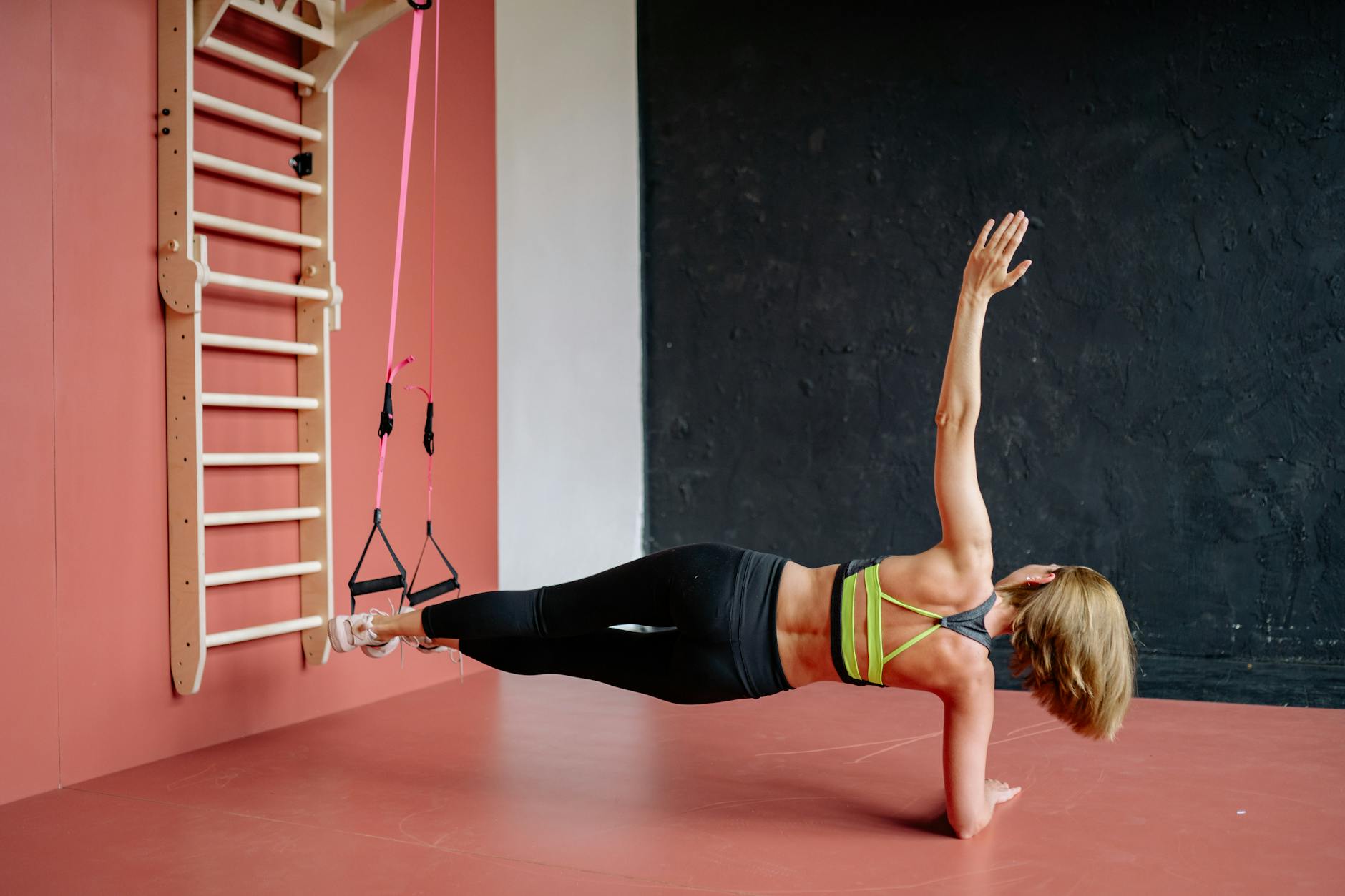
Isometric training has a reputation problem. Most people associate it with injury rehab - something a physio prescribes after a knee surgery, not something you build into a real program. That’s a mistake.
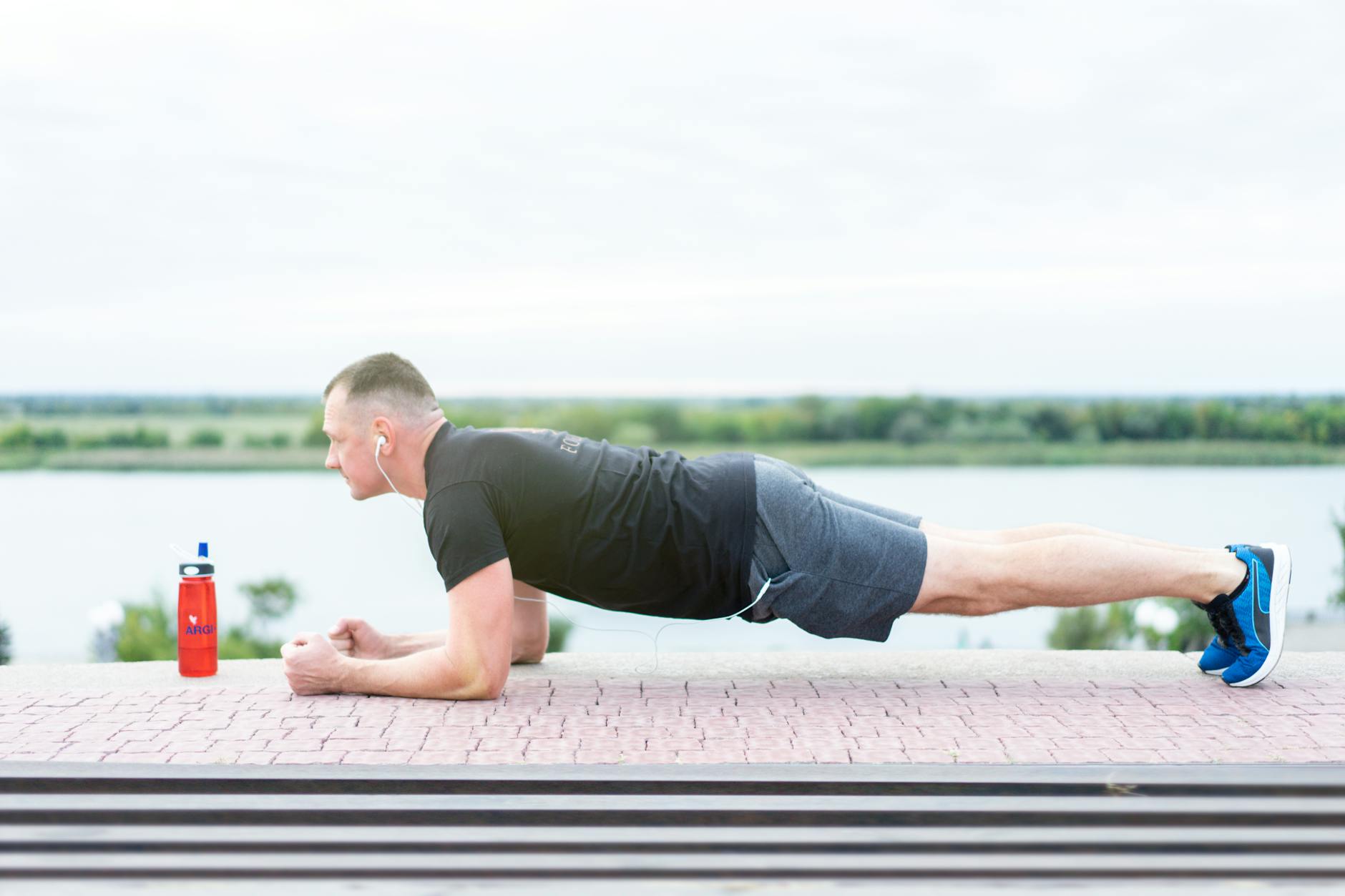
An isometric contraction is simply a muscle producing force without changing length. A wall sit. A plank. Holding the bottom of a squat. Pressing hard against an immovable bar. The muscle is working - often very hard - but the joint isn’t moving.
This matters for reasons that dynamic reps can’t fully replicate.
Where Isometrics Actually Do Something Unique
Most lifters are weakest at specific joint angles - the bottom of a deadlift pull, the mid-range of an overhead press. Dynamic reps pass through that sticking point quickly. Isometrics let you park there and accumulate tension at exactly the position where you’re losing force.
Research on isometric training has consistently shown strength gains that are angle-specific - meaning if you hold a contraction at 90 degrees of knee flexion, you get stronger primarily around that angle, with some carry-over to nearby positions. That specificity is the point. If your squat stalls at parallel, spending time under load at parallel is more targeted than just doing more squats.
There’s also a tendon adaptation argument. Tendons respond well to sustained, high-load isometric holds - particularly slow, heavy ones in the 30–45 second range. This is part of why isometric protocols (like the Spanish Squat or the ISO calf raise) appear regularly in tendinopathy management. The tendon gets loaded without the repetitive stretch-shortening cycle that can irritate it when it’s already sensitised.
How to Add It Without Rebuilding Your Program
The cleanest way to integrate isometrics is as an add-on, not a replacement. Three practical options:
Overcoming isometrics - pressing or pulling against a fixed bar in a power rack. Set the pin where your sticking point is. Push or pull maximally for 5–8 seconds, 3–5 sets. This is neurally demanding and works well as a primer before the main lift.
Yielding isometrics - holding a loaded position (goblet squat hold, pause at the bottom of an RDL). More accessible, easier to load progressively, better for hypertrophy.
Isometric finishers - a 30–60 second wall sit, a loaded hip flexor hold, or a long plank at the end of a session. Low recovery cost, and they accumulate meaningful time under tension.

One Honest Caveat
Isometrics don’t build strength through a full range of motion. They’re not a substitute for compound lifts, and anyone who uses them as the primary training method is trading range-specific strength for something that won’t translate well to athletic movement. The value is supplementary - filling in angles and tendon stress that standard programming leaves thin.
If you’ve been lifting consistently and your progress has stalled at specific points in a movement, the answer is probably not a new program. It might just be spending more time where the movement is hardest.