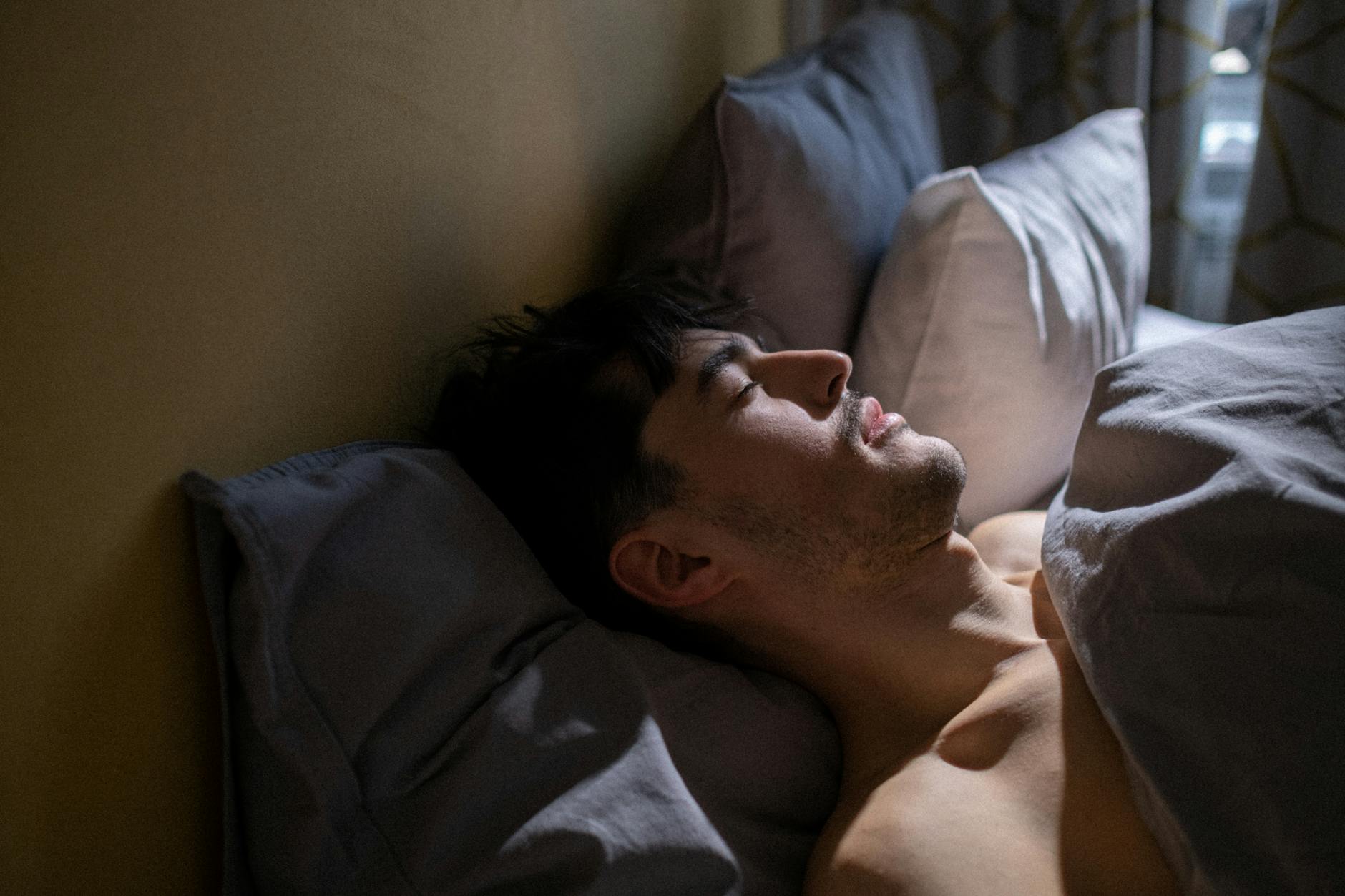
Most sleep advice treats bedtime like a moral choice. Go to bed earlier, stop scrolling, be more disciplined. But for a significant portion of people, the problem isn’t discipline - it’s that they’re trying to sleep at a time their biology actively resists.
Chronotype refers to your natural circadian timing - when your body is primed to sleep, wake, and reach peak alertness. It’s regulated partly by genetics, partly by age, and partly by light exposure. Evening chronotypes - people whose melatonin onset runs later than average - aren’t choosing to feel wired at midnight. That’s just when their physiology is running. Forcing a 10pm bedtime on someone whose body isn’t ready to sleep until 1am doesn’t produce better sleep. It typically produces lighter, more fragmented sleep with an earlier forced awakening, which is exactly what most chronically tired adults are living with.
What Misalignment Actually Does
The mismatch between biological sleep timing and socially required wake time has a name in sleep research: social jetlag. It functions similarly to crossing time zones - your internal clock and external schedule are running at an offset. The downstream effects aren’t subtle. Research has linked persistent social jetlag to higher reported fatigue, worse mood regulation, increased cortisol, and poorer metabolic markers. Athletes performing at chronotype-misaligned times show measurable declines in reaction time and strength output compared to performance at their biological peak.
This matters more than most people realize, because the default assumption is that feeling tired during the day means you didn’t sleep long enough. Sometimes that’s true. But if you’re sleeping seven to eight hours and still waking up feeling wrecked every morning, the issue might be when those hours are, not how many.
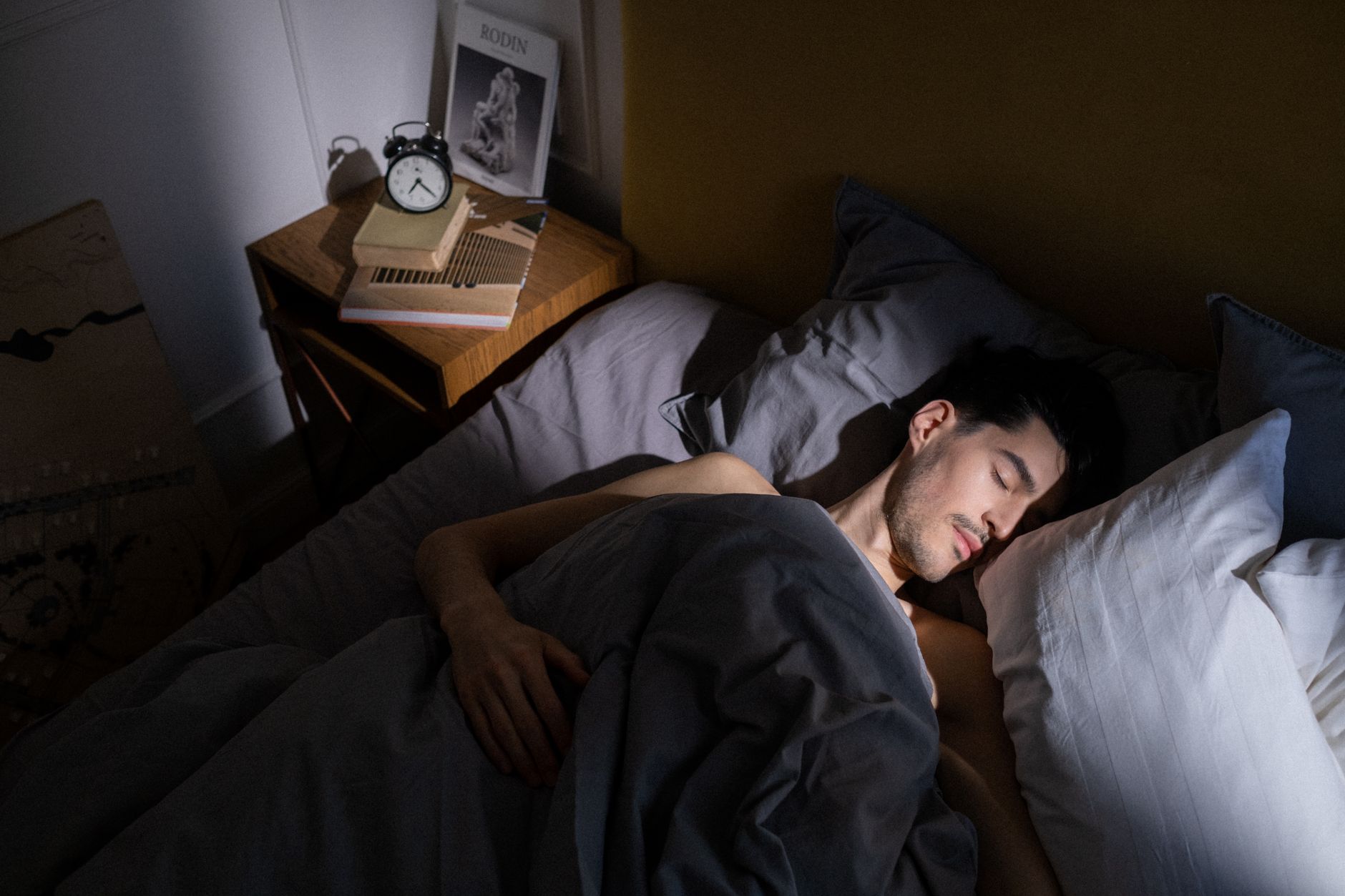
The Part You Can Actually Control
Light is the strongest external signal your circadian clock responds to. Morning bright light - ideally sunlight, within an hour of waking - can gradually shift your sleep timing earlier over days to weeks. Evening light, especially from screens, pushes it later. This isn’t speculation; it’s the mechanism behind both light therapy for delayed sleep phase disorder and the standard advice to dim screens before bed.
For evening types stuck in an early-schedule world, consistent morning light exposure is one of the few tools that can meaningfully shift timing without medication.
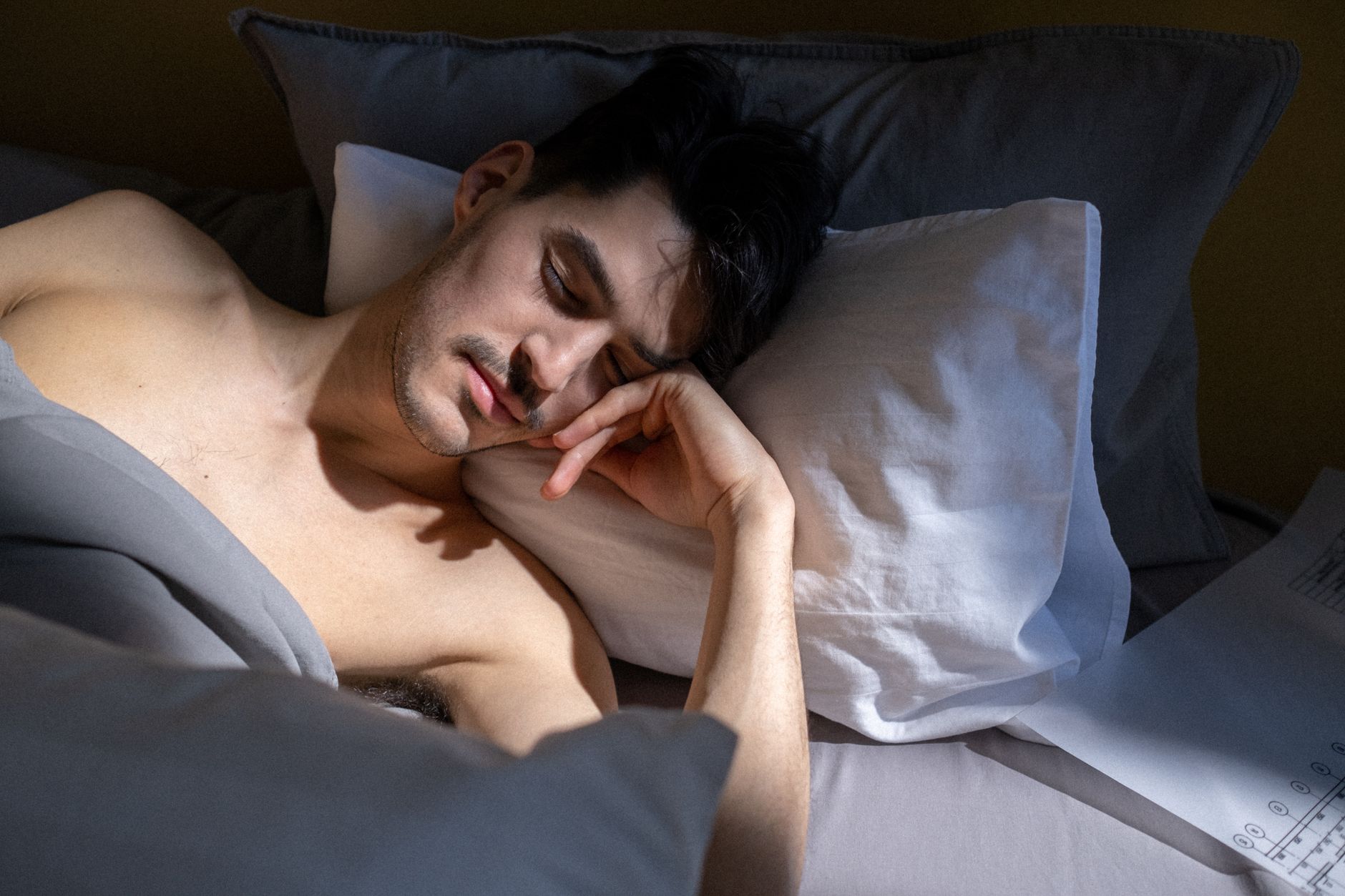
The Part That’s Harder
Some people’s chronotypes sit far enough from the social norm that no amount of light therapy fully closes the gap. That’s worth sitting with, because the solution in those cases isn’t more willpower - it might be negotiating a different start time at work, protecting weekends from early obligations, or accepting that your best cognitive hours are simply not in the morning and scheduling accordingly.
The idea that everyone should be a morning person is fairly recent and culturally specific. What’s less negotiable is the cost of running a sleep debt long-term - impaired recovery, elevated stress hormones, and a slow erosion of the physical adaptations you’re actually training for. Whether chronotype flexibility is in the cards or not, the starting point is accurate: know what you’re actually working with.