Most people treat rest days like a reward for hard training - a day to do nothing, eat whatever, stay horizontal. That instinct isn’t wrong exactly, but it conflates rest with recovery, and they’re not the same thing.
Recovery is an active physiological process. Muscle protein synthesis, glycogen replenishment, tissue repair - none of this happens faster because you’re sedentary. In some cases, light movement on a day off genuinely accelerates it. Increased blood flow helps clear metabolic byproducts and deliver nutrients to tissues that were worked hard the day before. A 20-minute walk or easy cycling session does this without adding meaningful stress to the system.
The problem with full couch days
When training load is high - say, four or five sessions per week - complete rest days can leave the body in a kind of metabolic limbo. You’re not recovering optimally, and you’re not adapting either. Sleep quality often drops on days with very low physical activity, which is the one variable that matters more than almost anything else for actual tissue repair and hormonal recovery. Lower activity during the day tends to shift sleep architecture in ways that reduce slow-wave sleep - the deep phase most associated with physical recovery.

There’s also a stress angle. Cortisol doesn’t automatically drop just because you’re not lifting. If your life involves sustained low-grade psychological stress, a passive rest day doesn’t interrupt that. A walk outdoors - particularly in a park or green space - has a documented effect on cortisol reduction in ways that sitting on a couch simply doesn’t replicate.
What active recovery actually looks like
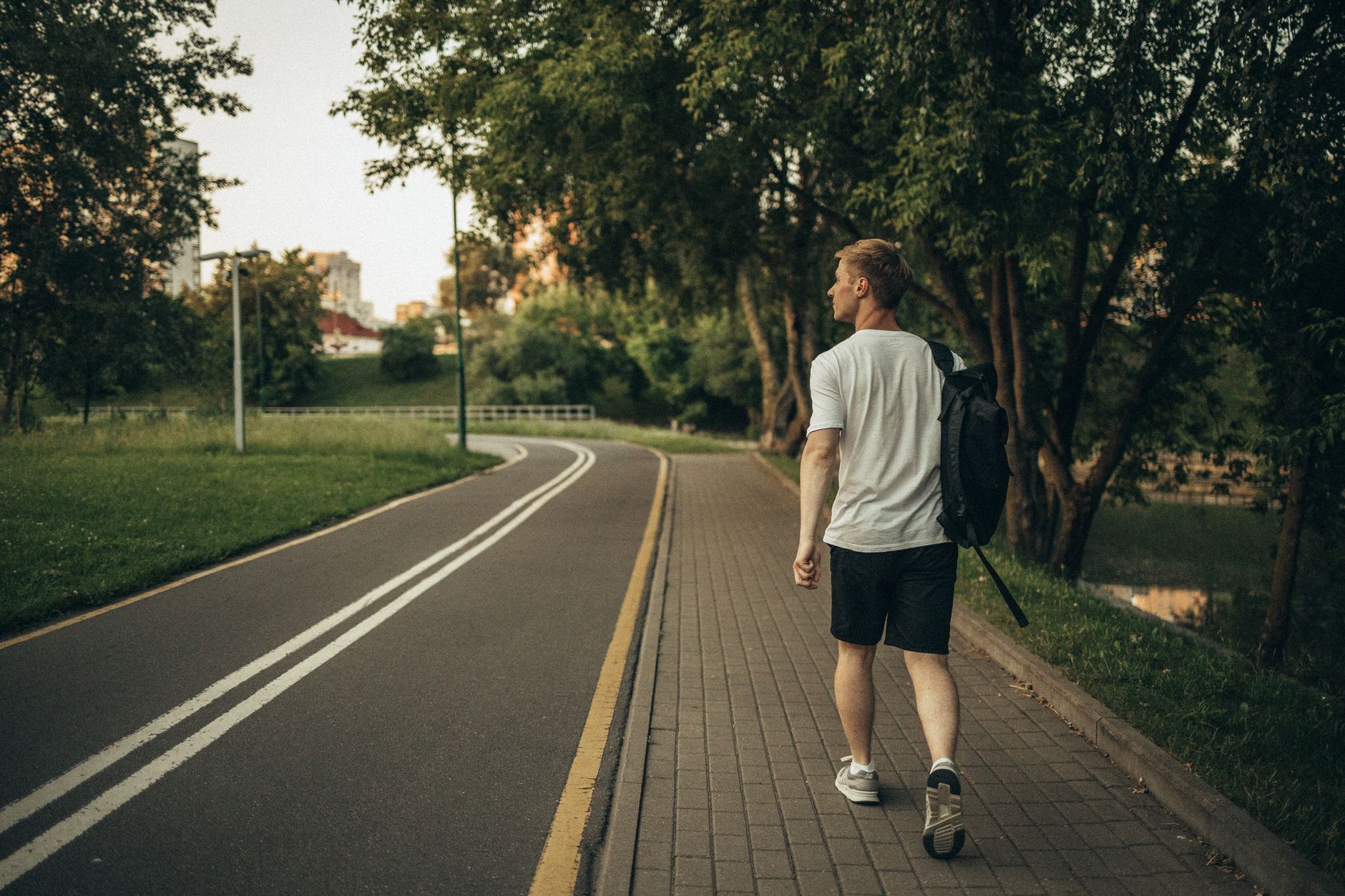
Nothing about this needs to be structured or effortful. A 30-minute walk. Mobility work. An easy swim. Stretching with intention rather than as a warm-up afterthought. The bar is low. The point is that circulation, light joint movement, and some exposure to daylight work together in ways that passive rest doesn’t produce.
This isn’t about adding more training volume through the back door. It’s about recognising that the body doesn’t switch into recovery mode automatically when you stop loading it - it needs some basic inputs to do the job efficiently.
The athletes who recover fastest between sessions aren’t the ones who rest hardest. They’re the ones who understand that off days are still days the body is doing something.