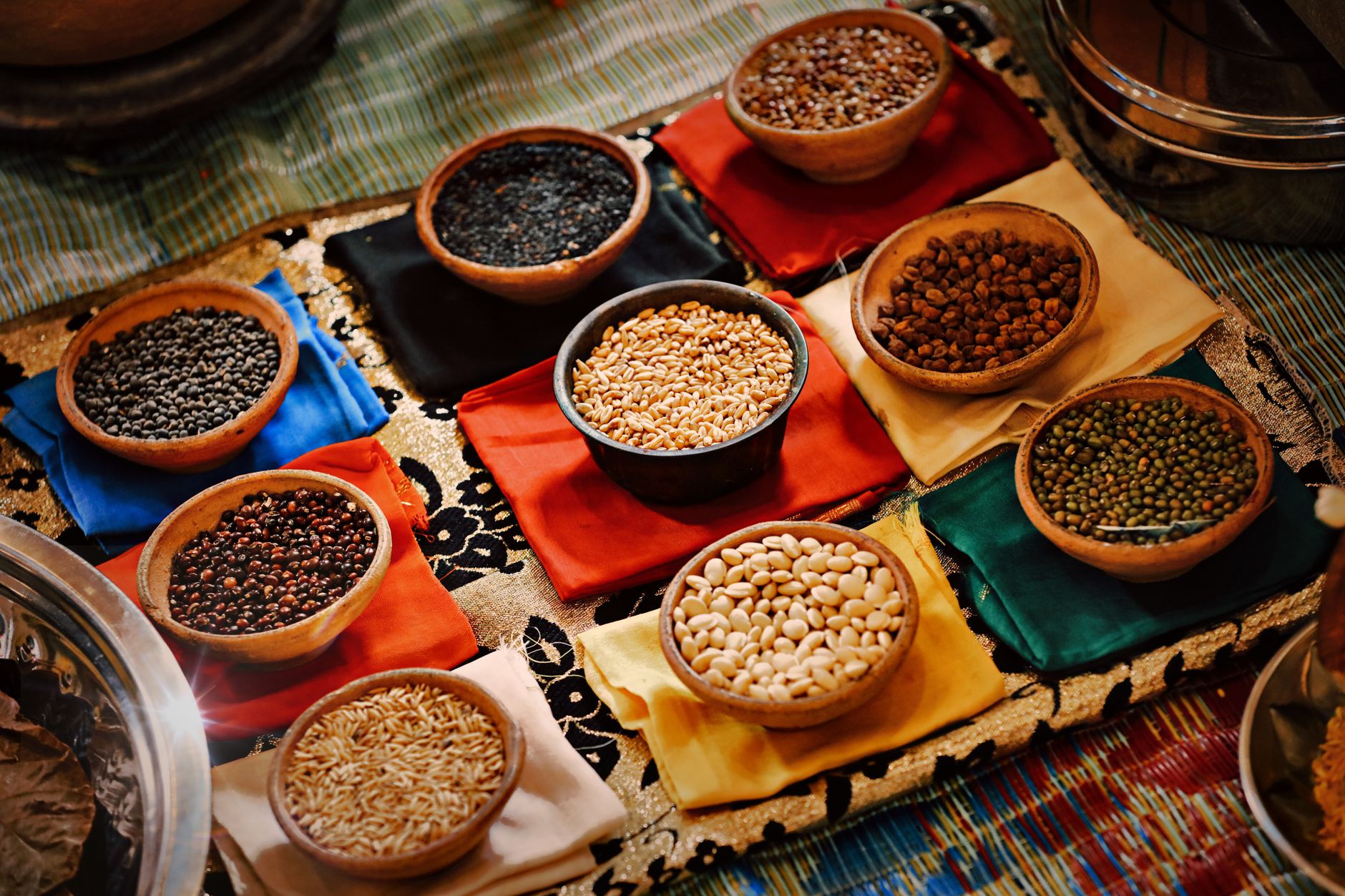
Most people who lift have a protein number. They can tell you it’s 160 grams, or 0.8 grams per pound, and they hit it with shakes, chicken, and Greek yogurt. Ask the same people their fiber intake and you get a shrug. That’s backwards, because one of those targets is usually already met and the other usually isn’t.
The gap is bigger than you think
The Dietary Guidelines for Americans list fiber as a nutrient of public health concern because average intake sits well below recommendations. The usual benchmark is about 14 grams per 1,000 calories, which works out to roughly 25 to 38 grams a day for most adults. Typical intake is around half that. Protein, by contrast, is something most adults in higher-income countries already eat in decent amounts.
A widely cited 2018 meta-analysis in the British Journal of Sports Medicine (Morton et al.) found that the muscle-building benefit of extra protein levels off around 1.6 grams per kilogram of body weight per day. Beyond that, extra protein isn’t harmful for healthy people, but it isn’t doing much more for hypertrophy either. Fiber has no such plateau at the level most people eat. The first 10 grams you add are almost pure gain.
What it looks like on a plate
A cup of cooked lentils carries around 15 grams of fiber and about 18 grams of protein. Black beans are similar on fiber. A cup of raspberries has around 8 grams. Rolled oats, whole-grain bread, chia seeds, and pears all contribute meaningfully.
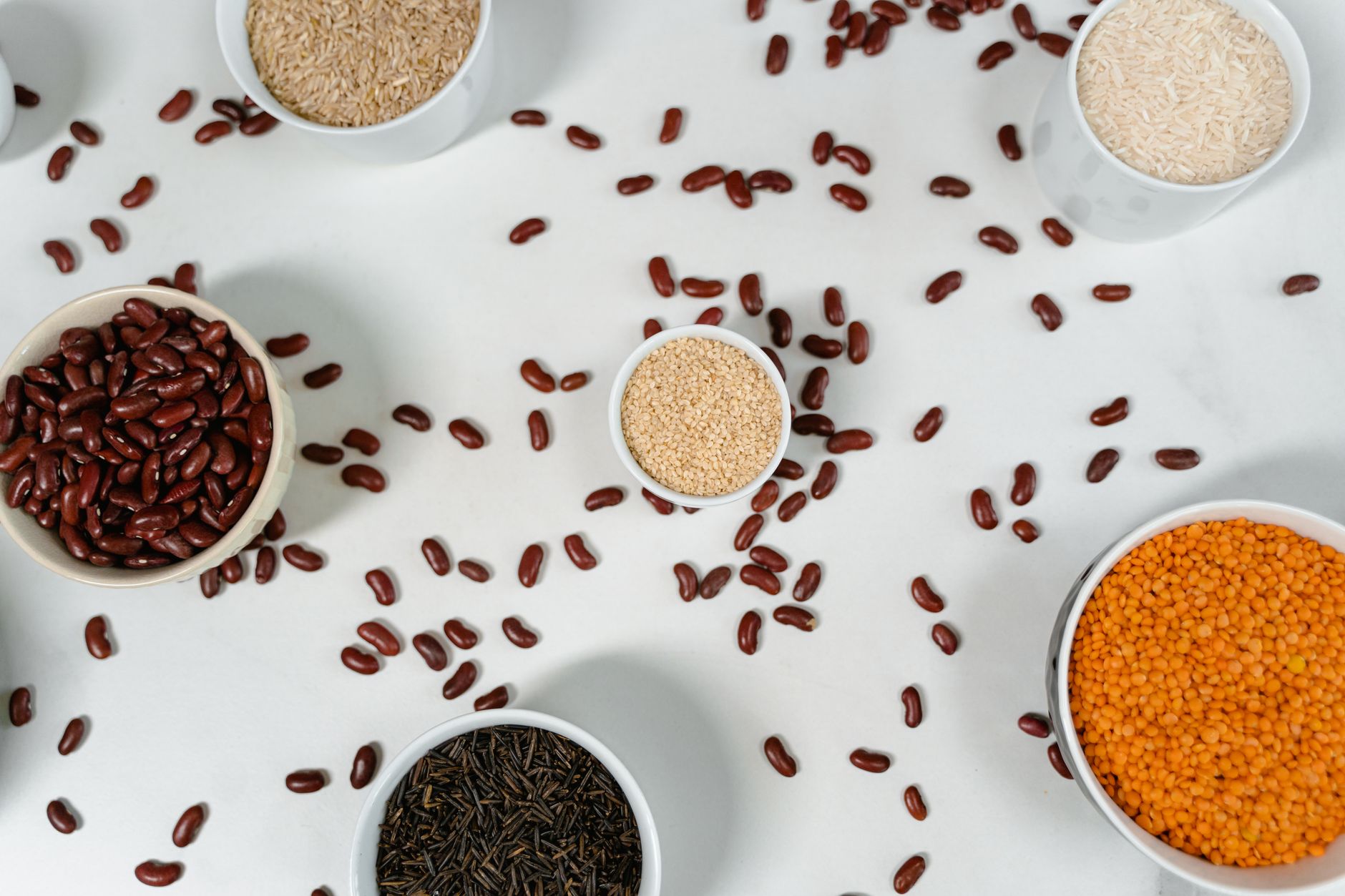
Notice what the beans and lentils are doing: they hit both targets at once. If you’re building meals around protein anyway, this is the cheapest upgrade available. Swap half the rice in a chicken bowl for black beans and you’ve added roughly seven or eight grams of fiber without touching your protein plan.
Add it slowly
Jumping from 15 grams to 40 in a week is a good way to spend several days bloated and annoyed. Add five grams every few days, drink water with it, and let your gut adjust. Gas from beans tends to ease as your digestion adapts, though I’d call that a common experience rather than a guarantee.
Why I’d prioritize it
I’d argue that a lifter at 1.6 grams per kilogram of protein and 15 grams of fiber is doing nutrition worse than one at 1.4 and 30. Fiber supports digestion and fullness, and higher intakes are consistently associated with better cardiovascular outcomes in observational research. It also makes a calorie deficit easier to sit in, because high-fiber meals tend to be more filling per calorie.
Track it for three days. If the number surprises you, you’ve found the easiest fix in your diet.