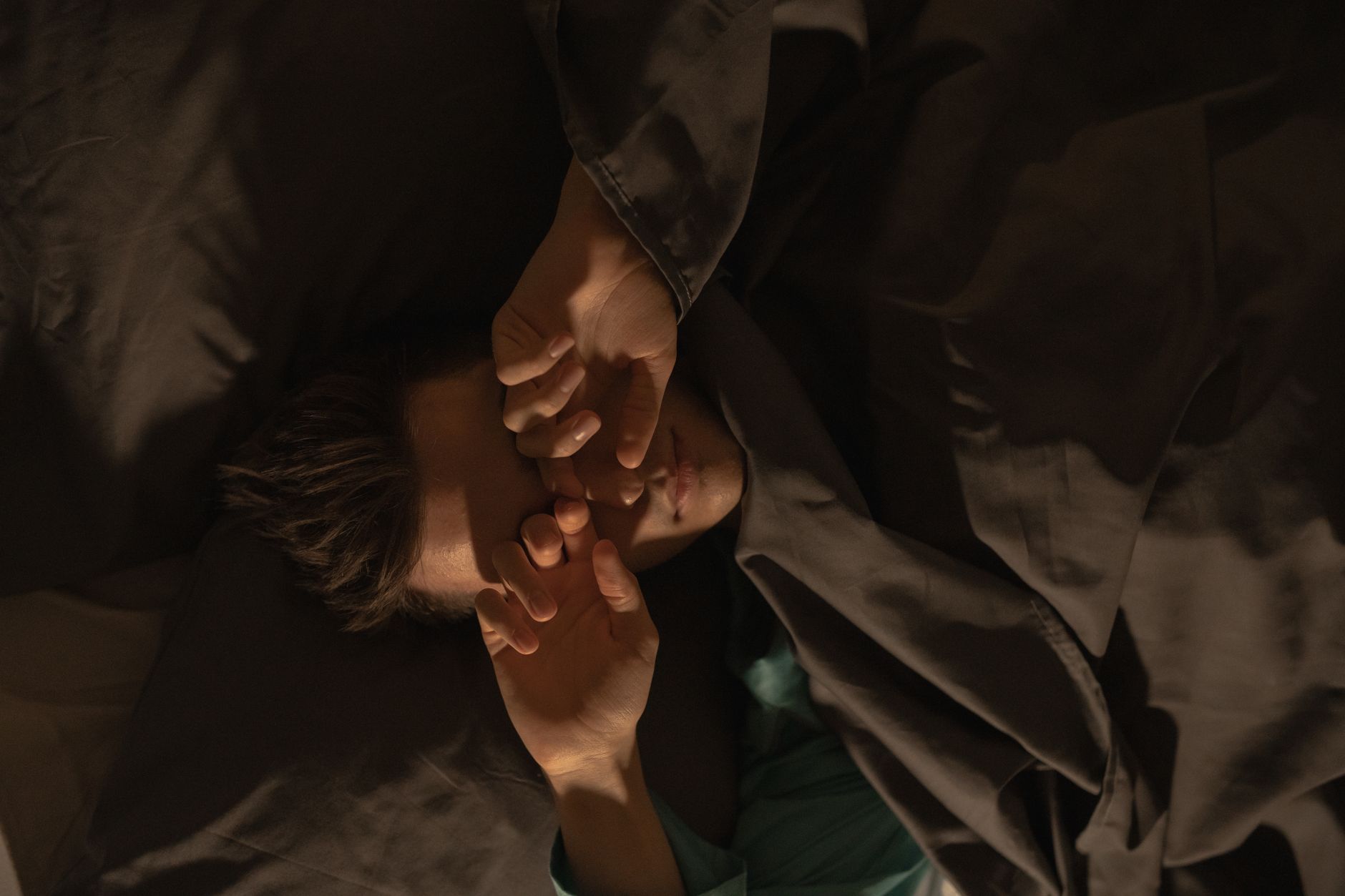
Lying still in a dark room for eight hours is not sleep. It’s horizontal time. The distinction sounds pedantic until you realise how many people are clocking what they think is a full night and waking up with the cognitive load of someone who pulled a half-shift.
The confusion comes from treating sleep as a passive state - something that just happens when you stop moving. But sleep is active tissue repair, hormonal cycling, and memory consolidation. Your body doesn’t care that you were in bed. It cares whether you moved through enough slow-wave and REM cycles to actually finish the work.
The Gap Between Time in Bed and Time Asleep
Sleep efficiency - the ratio of time actually asleep to time spent in bed - is a real and measurable thing. Someone who spends nine hours in bed but wakes repeatedly, lies awake after 4am, or never reaches deep sleep is not well-rested. They’re just tired in a horizontal position.
This matters for physical recovery specifically because slow-wave sleep is when growth hormone secretion peaks. Skip or fragment that stage enough times and you’re undermining repair from training regardless of how carefully you’ve structured your programming or nutrition.
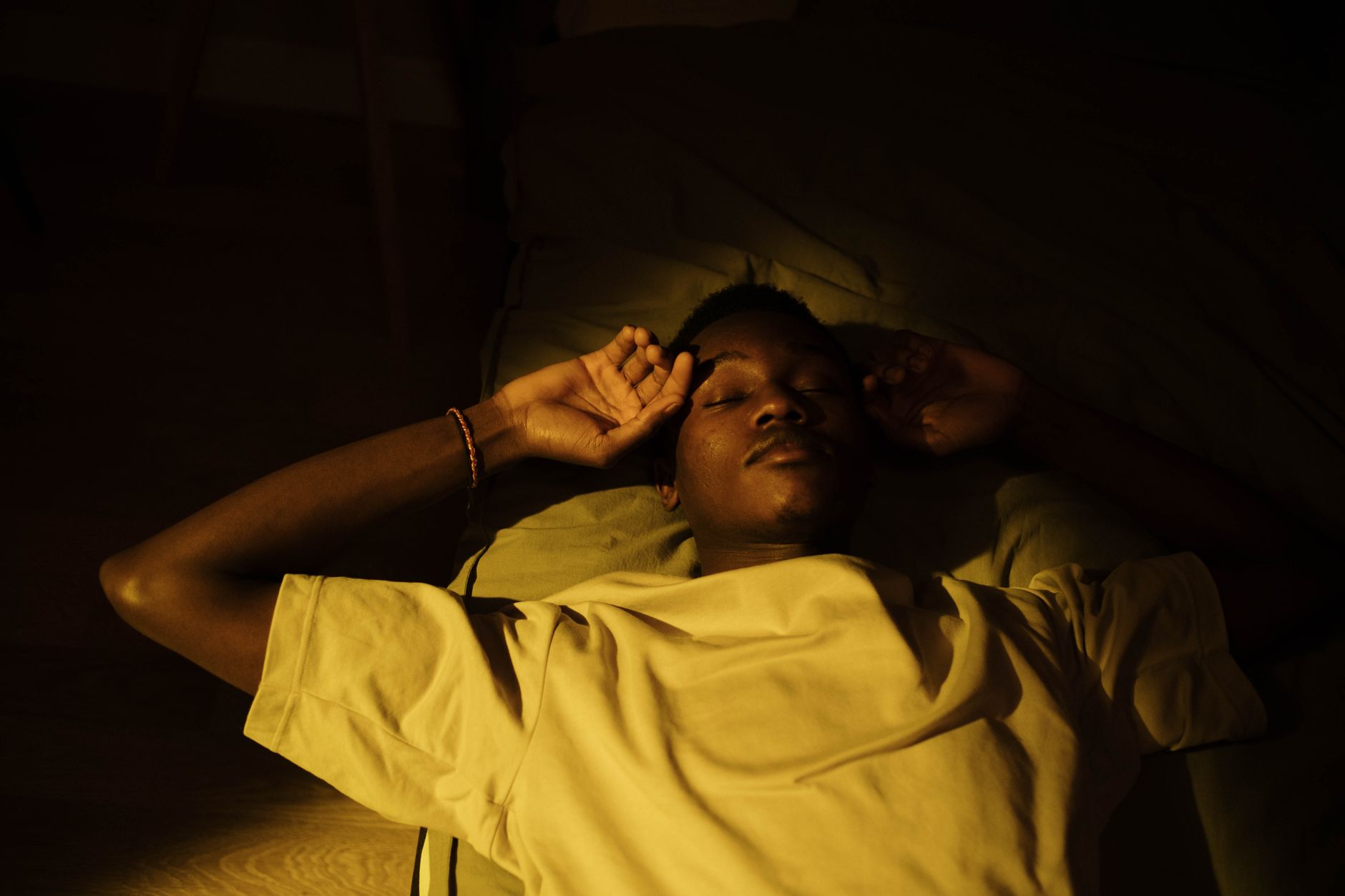
The causes of poor sleep efficiency are not mysterious: inconsistent sleep timing, late eating, alcohol, chronic low-level stress that keeps the nervous system from fully downregulating. Most people know this. Most people also don’t change it because the connection between, say, a glass of wine at 10pm and feeling flat at the gym on Thursday feels too diffuse to take seriously.
The Feeling of Rest Is Not Evidence of Rest
This is where it gets uncomfortable. Subjective sleepiness is a poor proxy for actual recovery quality. You can adapt to feeling okay on fragmented or shallow sleep in the same way you adapt to any chronic condition - not by getting better, but by recalibrating what normal feels like.
People often don’t realise how poorly they were sleeping until something changes - a period of lower stress, a sleep environment upgrade, a week without alcohol - and suddenly they feel categorically different. That contrast is data. The absence of it isn’t proof that everything was fine.
If your training recovery feels stuck and your nutrition is in order, the question isn’t whether you’re sleeping enough hours. It’s whether those hours are doing anything.