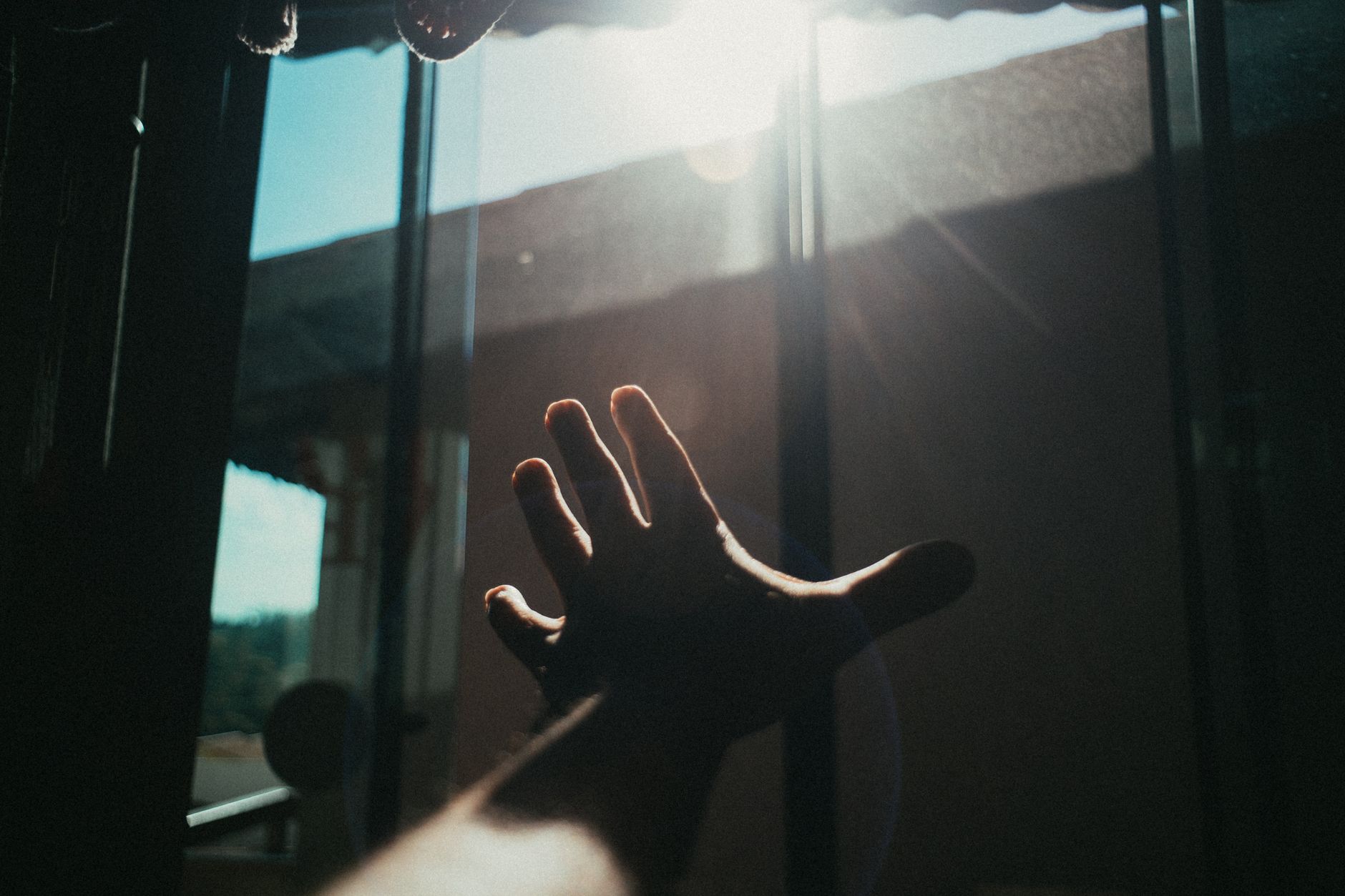
Most of the conversation around light and sleep has collapsed into one talking point: blue light from screens delays melatonin, so use night mode or blue-light glasses before bed. That’s not wrong, but it’s a narrow slice of a much larger picture - and it’s led people to obsess over their phone settings at 10pm while ignoring something that has a stronger effect on sleep quality overall.
The more significant variable is morning light exposure, specifically getting bright light into your eyes within the first hour or so of waking. This is not a wellness trend. The mechanism is well-established: light hitting the retina signals the suprachiasmatic nucleus - the brain’s primary circadian clock - to anchor the start of the day. That anchor sets the timing of downstream hormonal events, including when cortisol peaks, when alertness builds, and critically, when melatonin rises in the evening.
If that morning signal is weak or absent - as it often is when people wake up inside a dim apartment, make coffee in a dark kitchen, and sit in front of a laptop - the circadian clock doesn’t get a clear anchor. Evening melatonin onset drifts later. Sleep pressure doesn’t build cleanly. You end up lying awake when you want to be asleep, or waking up feeling unrefreshed even after a full night.
The Numbers Are Not Close
Outdoor light on a clear morning can reach 10,000 lux or more. A well-lit indoor room is typically 100–500 lux. That’s not a small gap - it’s a difference of one to two orders of magnitude. The eye compensates somewhat through pupil dilation, but it cannot bridge that gap entirely. Even on a cloudy day, outdoor light is substantially brighter than most indoor environments.
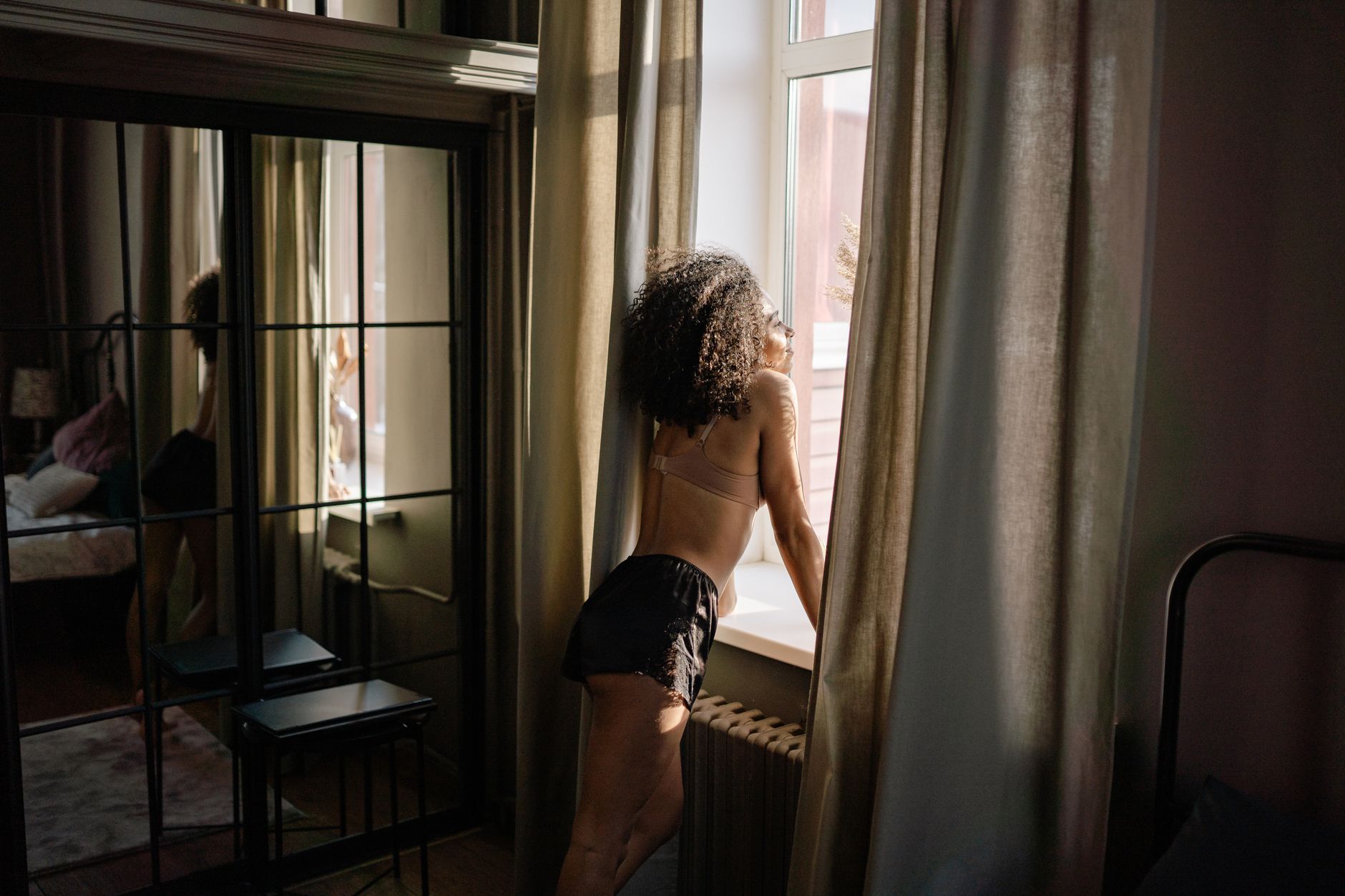
A few minutes probably isn’t enough. The research on this is still being refined, but most circadian scientists who discuss this publicly suggest aiming for 10–30 minutes of outdoor exposure in the morning, without sunglasses if conditions allow.
What This Actually Changes
For people with chronically poor sleep who have already tried sleep hygiene basics - consistent bedtime, cooler room, limiting screens - morning light is often the missing lever. It doesn’t require a supplement or a device. It requires going outside earlier than feels necessary, which is harder than it sounds when mornings are already compressed.
The frustrating part is that the effect isn’t immediate. It accumulates over days. Which means most people try it for two mornings, notice nothing dramatic, and stop - before the circadian system has had enough consistent input to actually shift.
Whether five or ten days of consistent morning light produces a noticeable change in sleep onset varies between individuals. But the underlying biology is consistent enough that it’s worth treating as a genuine intervention rather than an optional lifestyle add-on.