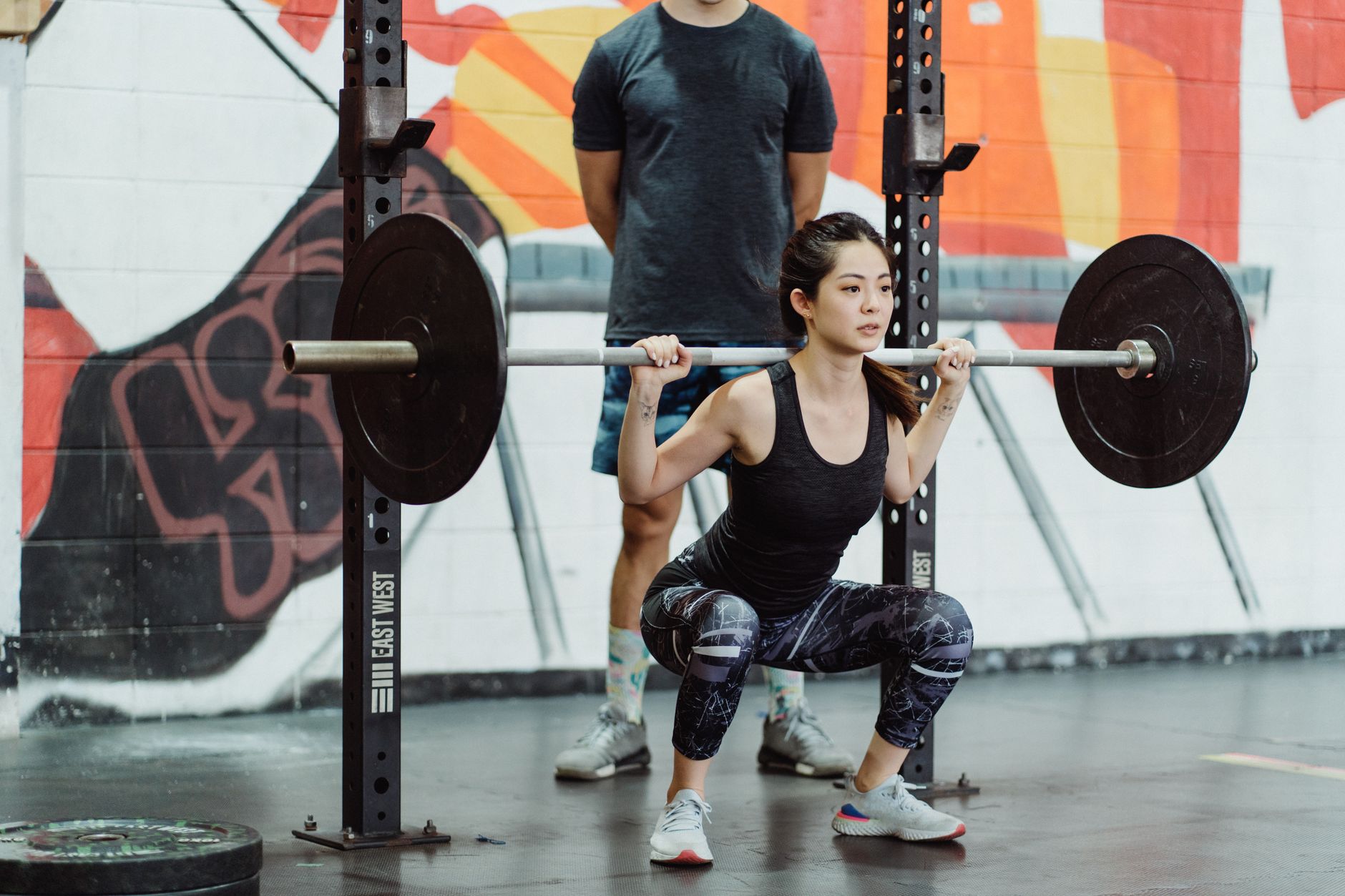
Paused reps get used as a corrective tool - something you do when a coach tells you your form is breaking down at the bottom of a squat. That framing undersells them. A pause mid-rep, held deliberately and without bouncing out of position, fundamentally changes the muscular demand of the movement. It’s not a regression. For most trainees, it’s harder.
The reason is straightforward. Most lifts rely on a stretch-shortening cycle - the elastic energy stored during the eccentric phase carries you through the sticking point at the start of the concentric. That’s not cheating, it’s physics. But it also means you’re borrowing from momentum rather than producing force from scratch. A pause cuts that borrowing off. When you hold the bottom of a squat for two seconds, or pin a bench press just above your chest, you’re forcing your muscles to generate force from a dead stop. The sticking point becomes unavoidable.
This matters most for strength trainees who plateau mid-lift. If the bar slows and grinds through a specific range - usually around where the elastic contribution runs out - paused reps train exactly that position. Not by doing isolation work around it, but by making you spend time there under load.
How to actually use them
The pause has to be genuine. A half-second pause that’s really just a bounce with extra steps doesn’t count. Two full seconds is a reasonable standard - long enough to feel the muscles working to maintain position, short enough that you’re not just resting.

Reduce the load. Paused squats and paused bench press at your normal working weight will almost certainly break down your position rather than improve it. Most people can handle around 80–85% of their regular working weight for paused variations, though this varies with the movement and the lifter.
Keep the volume modest, at least initially. Two or three sets of three to five reps, placed before your main sets, works well. They prime the positions you’ll use and expose weaknesses without pre-fatiguing the movement pattern.
One thing worth considering
Paused reps on a deadlift - usually held just below or just above the knee - are a different animal. The demands shift in ways that aren’t fully analogous to paused squats or bench press, and the margin for spinal position to suffer is higher.
Whether the deadlift pause is worth the trade-off probably depends on where your weakness actually lives.