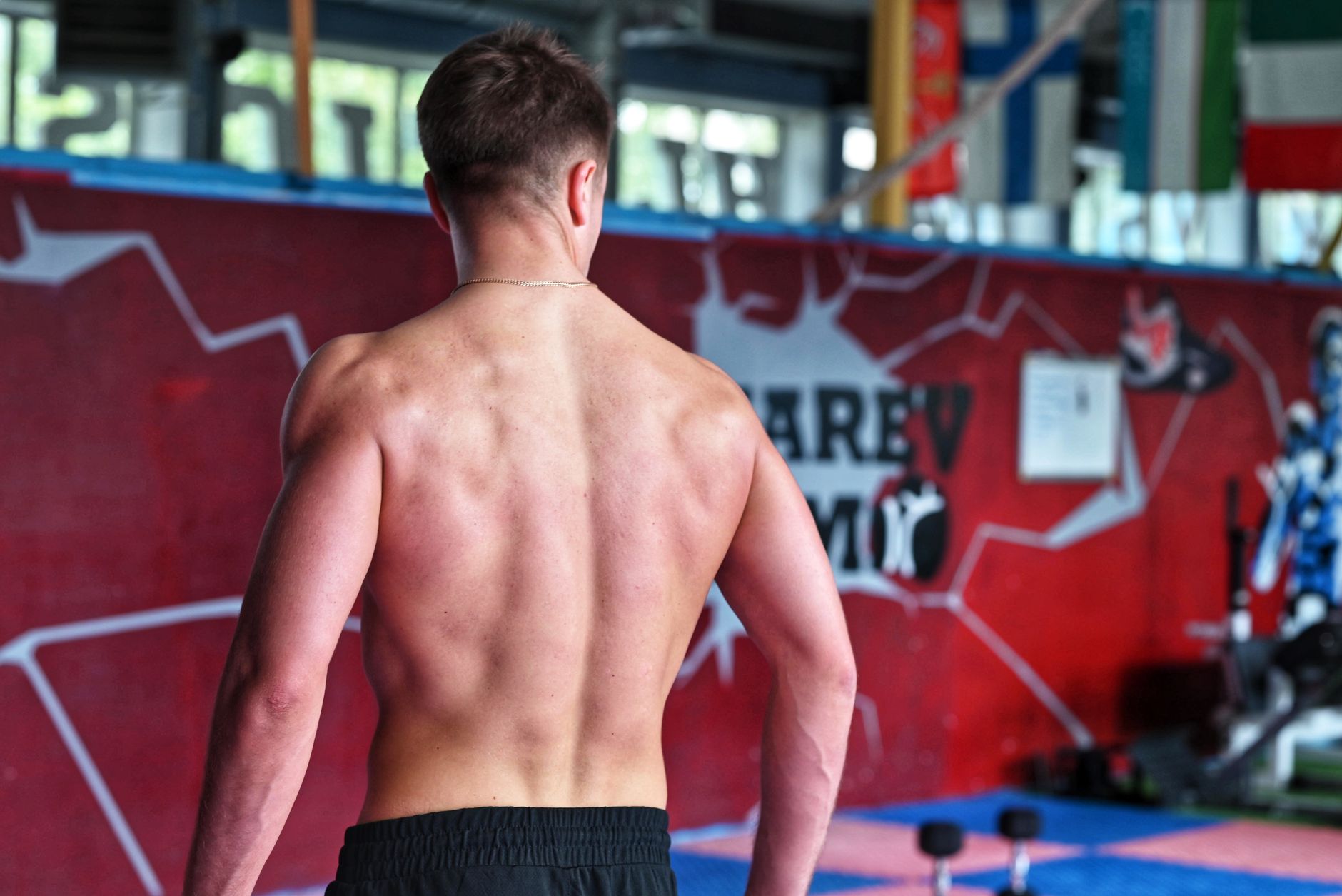
Most trainees organise their sessions around what they can see. Chest, biceps, shoulders, quads. The front of the body gets attention because the front of the body faces the mirror. The back of the body - posterior chain, rear delts, mid-traps, hamstrings - gets treated as an afterthought, if it gets trained at all.
This is not a minor imbalance. It compounds.
The posterior chain is doing the structural work
The muscles running down the back of your body - glutes, hamstrings, erectors, upper back - are primarily responsible for posture, hip extension, and the kind of full-body tension that makes heavy lifts feel controlled rather than chaotic. When they’re underdeveloped relative to the muscles on the front, your body compensates. The lower back takes over from the glutes. The traps shrug where the rear delts should pull. The hamstrings go underloaded while the quads dominate every lower-body session.
That compensation pattern is where injuries originate. Not from one dramatic moment, but from months of uneven loading across a joint that was never set up to handle it.
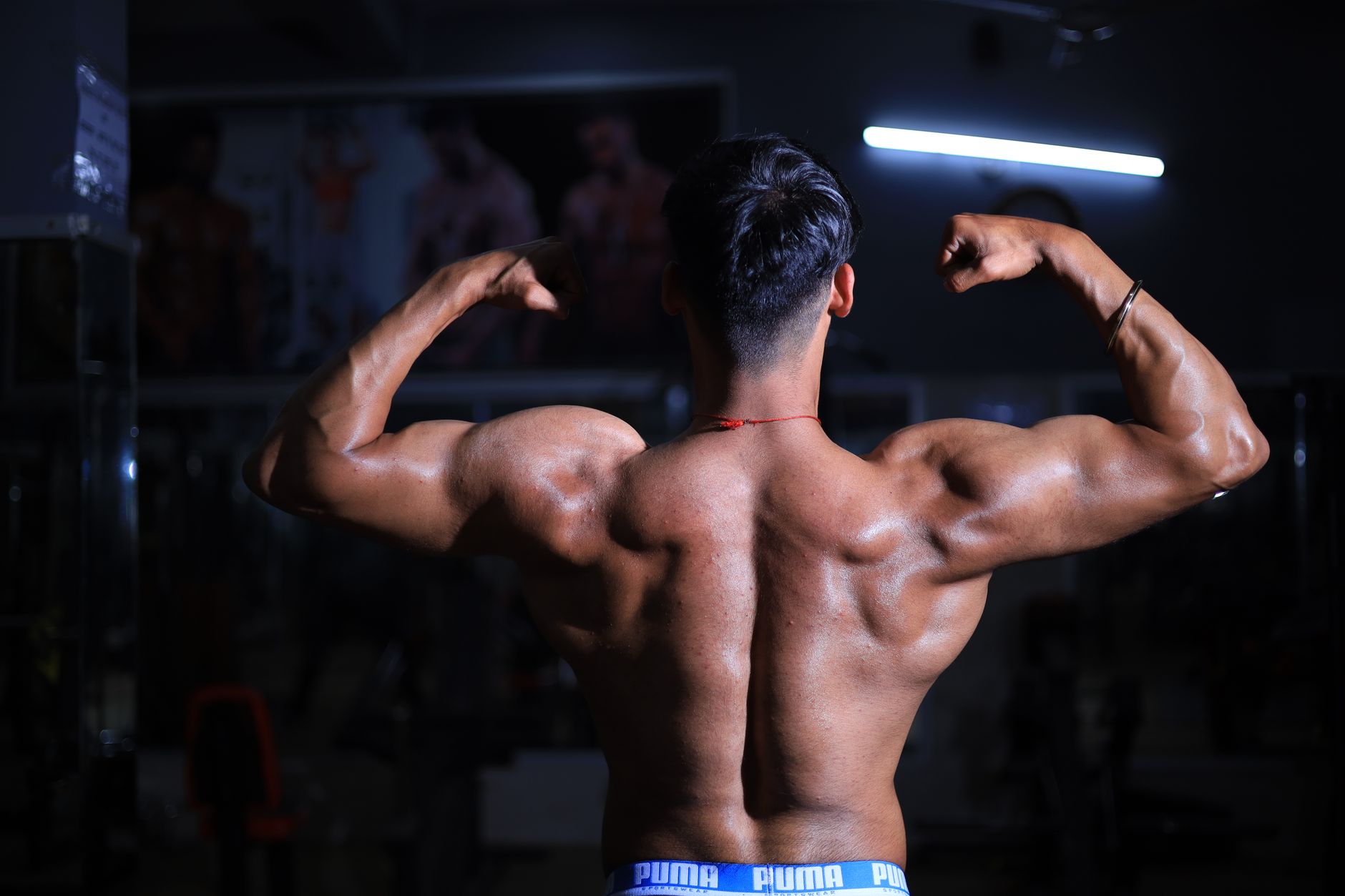
Rear delts are probably the most undertrained muscle in any commercial gym
This is an observation, not a study - but spend time in any gym and watch how rear delt work gets programmed. It’s usually two sets of face pulls at the end of a session, performed with cable tension that’s either too heavy (turning it into a bicep curl) or too light to matter. Rear delts affect shoulder external rotation, scapular retraction, and how your shoulder joint sits at rest. Undertrain them and the front deltoid and pec minor pull the shoulder forward. Over time, that affects pressing mechanics, not just posture.
Three sets of properly loaded, controlled rear delt work - cable or dumbbell, with genuine attention to the end range - will do more for your bench press than adding another chest day.
It’s not about symmetry for aesthetics
The reason to balance anterior and posterior training is mechanical, not cosmetic. A bigger back doesn’t just look balanced - it creates the structural support that lets you push, pull, hinge, and carry more load without your joints absorbing the slack.
If your pressing is stalling and your shoulders feel beaten up after every upper session, look at what you’re not training before you look at what you are.