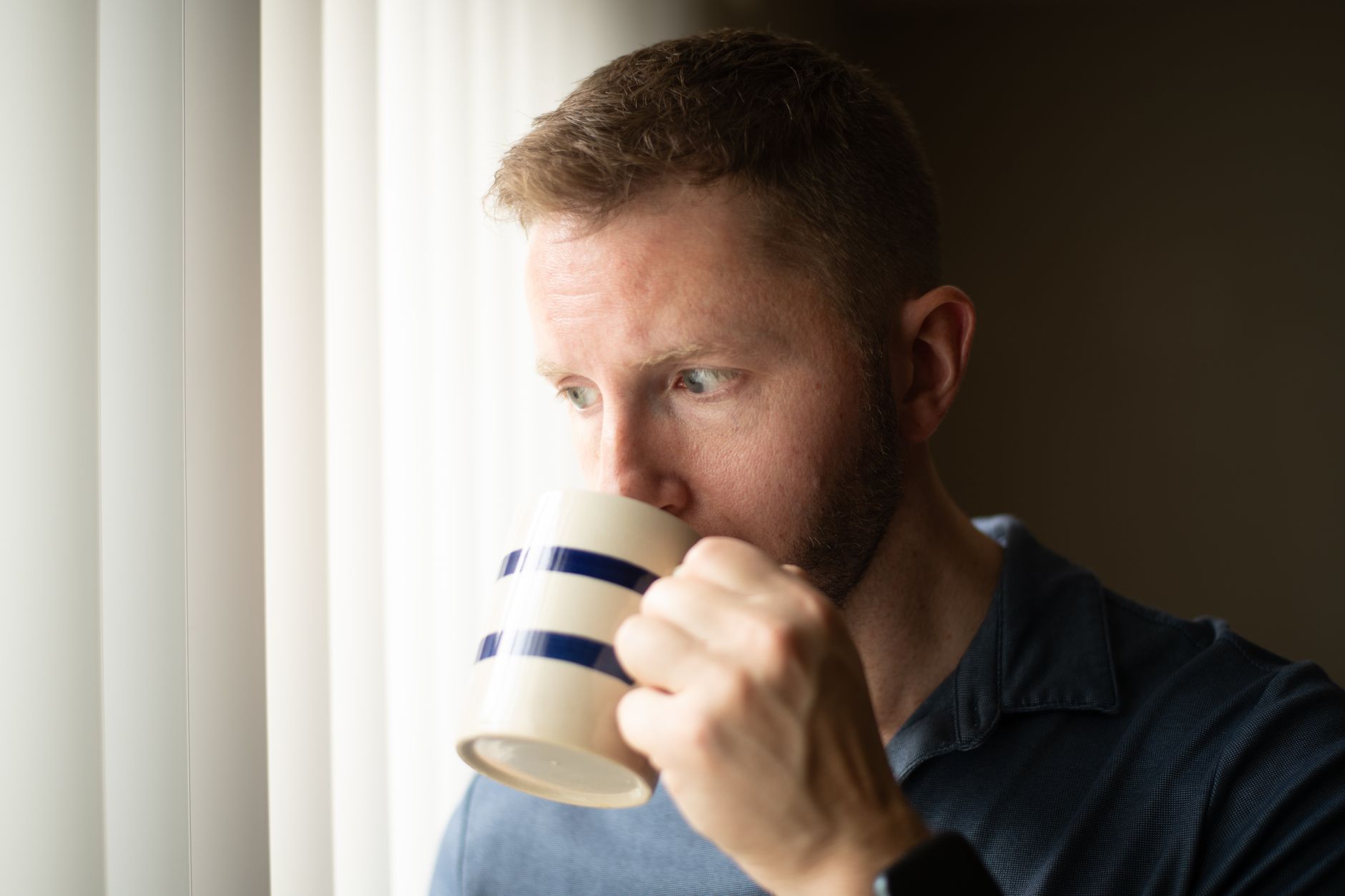
Most people treat the morning as a logistics problem - alarm, phone, coffee, out the door. The actual cost of that pattern isn’t felt immediately, which is why it’s easy to dismiss. But the physiological state you enter during the first stretch of wakefulness tends to persist. Cortisol peaks naturally in the 30–45 minutes after waking, a process called the cortisol awakening response. If that window is immediately filled with notifications, decisions, and rushed movement, you’re stacking psychological activation on top of an already elevated stress hormone. That’s not a recipe for a sharp morning. It’s a recipe for a frayed one.
The Phone Is Not the Only Problem
Everyone already knows that scrolling first thing is bad. That advice has been repeated enough times to lose its edge. The less discussed issue is pace - specifically, the absence of any intentional deceleration before the day’s demands begin. You can avoid your phone entirely and still rush. Getting up 15 minutes late, skipping breakfast to save time, moving quickly through every small action - these behaviours signal urgency to your nervous system before anything urgent has actually happened. The body doesn’t distinguish between real threat and habitual hurry. It responds to both the same way.

What a Slower Morning Actually Does
There’s a reasonable amount of research suggesting that perceived control over the start of the day is associated with lower stress reactivity throughout it. This isn’t about elaborate morning routines or five-step rituals before 7am. It’s about creating even a brief period where nothing is demanding your immediate response. Ten minutes of eating breakfast without simultaneously reading something. A short walk before checking messages. Making coffee slowly, on purpose.
These aren’t wellness performances. They’re small calibrations of your baseline arousal state.
Shorter Than You Think
The buffer you actually need is not long. Roughly 20 minutes of unhurried activity after waking appears to be enough to allow the cortisol awakening response to complete without interference. The issue is that most people haven’t protected that time - not because they lack discipline, but because they haven’t framed it as something worth protecting in the first place.
If your afternoons feel unmanageable and your evenings feel unfinished, it’s worth looking at what the morning looked like. Not just how much sleep you got - but what happened in the minutes immediately after you opened your eyes.