
There’s a whole industry built around the idea that the first hour of your day determines everything. Cold plunges, journaling, specific protein targets before 7am, sunlight within minutes of waking. Some of this has genuine physiological support. Most of it, though, is patching over a problem that was created eight hours earlier.
If you need a rigid, effortful morning protocol just to feel functional, the morning is not where the problem lives.
The Evening Is Where Physiological Preparation Actually Happens
Cortisol follows a predictable daily rhythm, rising sharply in the early morning - a process called the cortisol awakening response - and declining across the day. That decline depends on conditions in the hours before sleep. Sustained cognitive stimulation, ambient noise, unresolved emotional activation, and late-eating all slow the descent. The body arrives at bedtime still running a mild stress response, sleeps shallowly, and wakes with cortisol starting from a compromised baseline.
No amount of morning journaling corrects a nervous system that never properly wound down.
The research on pre-sleep cognitive arousal is consistent: it delays sleep onset and reduces slow-wave sleep, the deepest and most physically restorative stage. This is not about screen time specifically. Reading an upsetting article in print, rehearsing a difficult conversation, or finishing work tasks at 10pm produces the same effect through the same mechanism - sustained attentional demand when the brain is trying to shift modes.
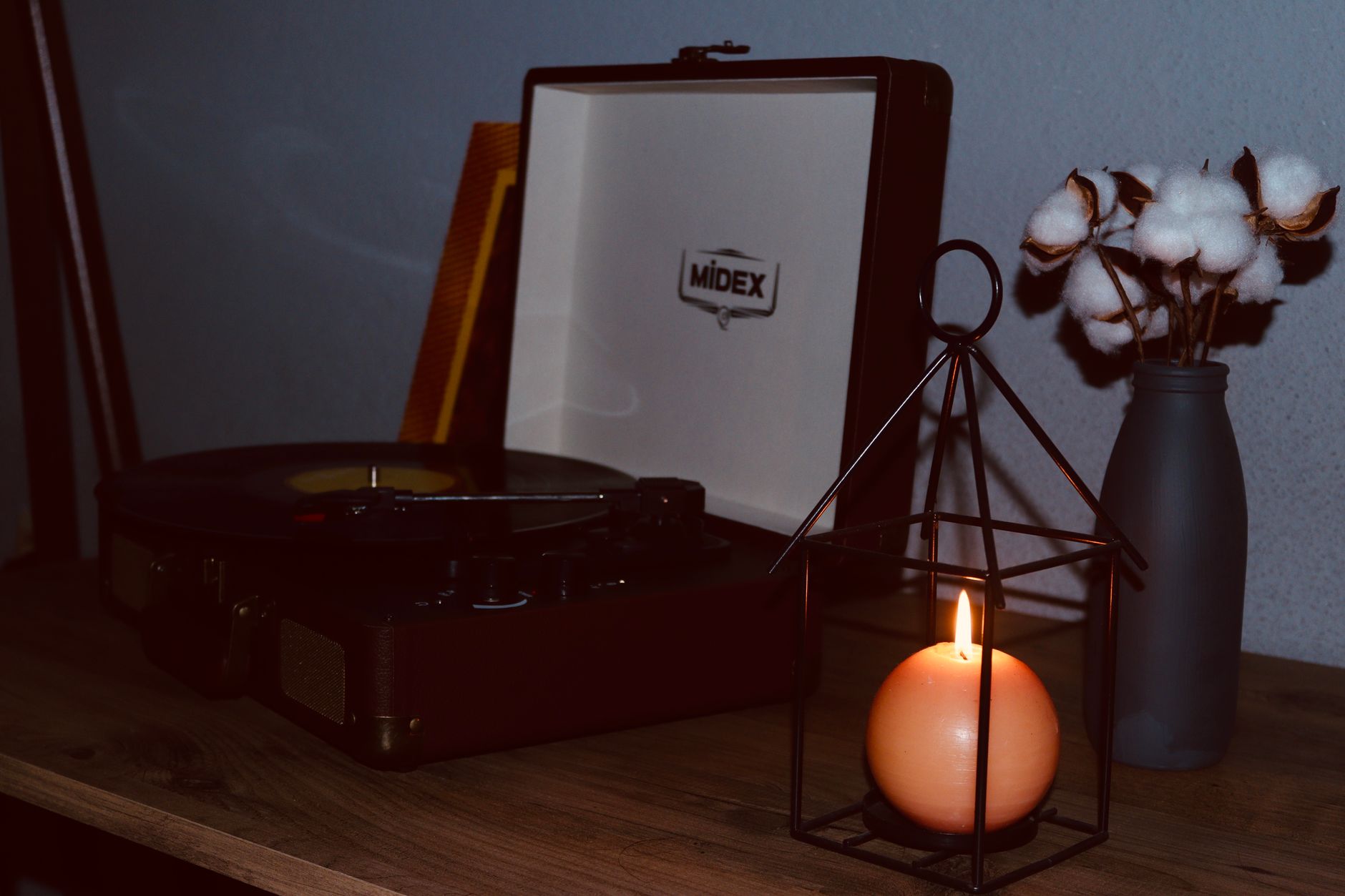
What a Functional Evening Actually Requires
Not a routine in the aspirational sense. The biology asks for three things: a reduction in light intensity (not just blue light elimination, but overall lux levels), a cessation of decision-making and problem-solving tasks, and a consistent endpoint - meaning the body begins to associate a particular time with the onset of sleep pressure.
The consistent endpoint matters more than most people expect. Circadian timing is partly learned through repetition. An irregular wind-down time fragments the signal.
The Shorter Point
Morning rituals feel productive because they’re active. Evening habits that support sleep feel like doing nothing - which is precisely why people skip them and compensate elsewhere.
If your mornings require significant intervention to function, audit the four hours before you went to sleep. That’s where the actual leverage is.