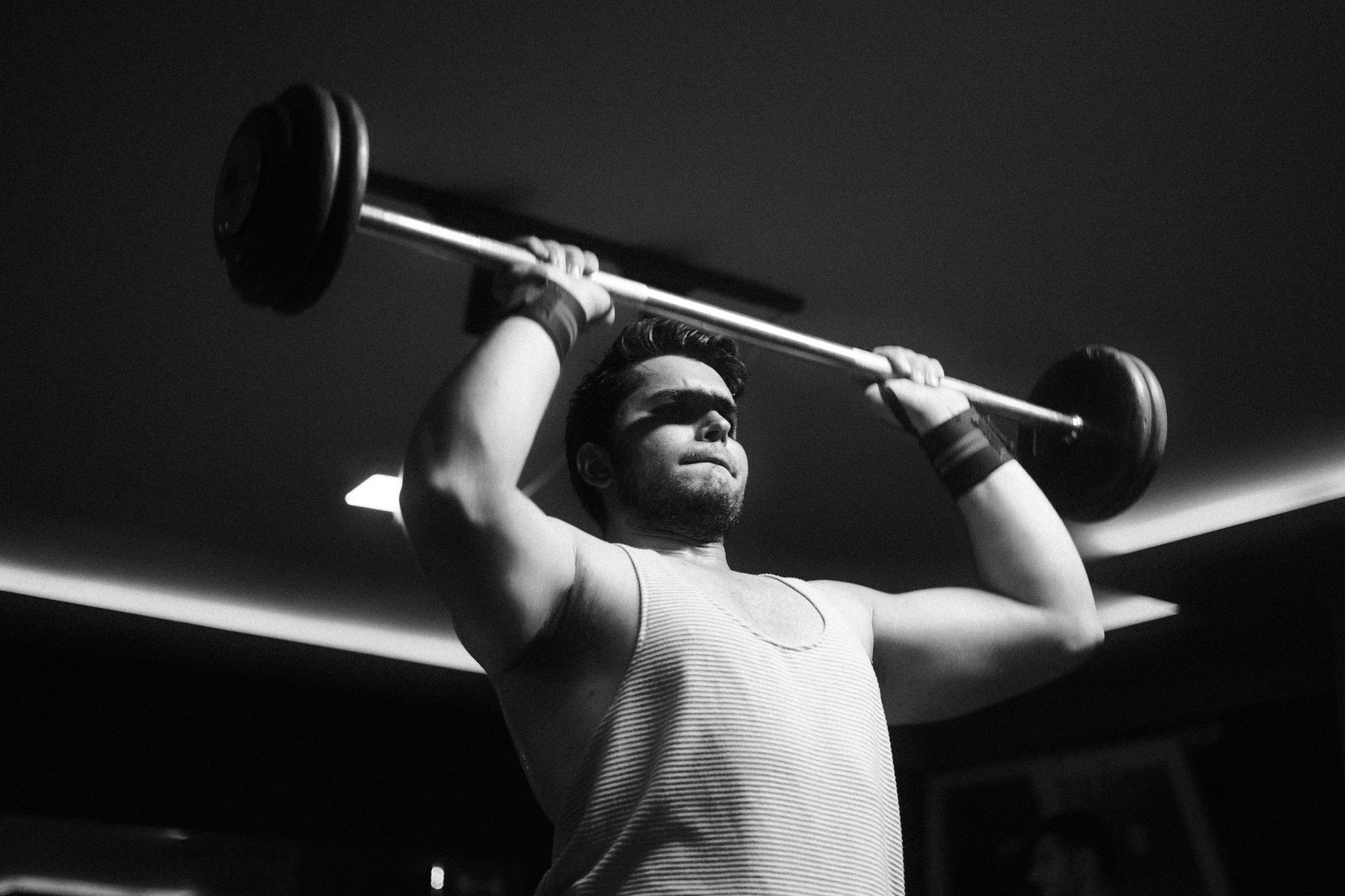
Most lifters speed up when a movement gets hard. The bar slows, so they add a bounce at the bottom, shorten the range, or let the eccentric drop fast enough that the muscles barely have to brake it. The set still gets done. It just doesn’t do what they think it does.
Tempo training - controlling the speed of each phase of a lift - fixes this without adding a single kilogram to the bar.
What the Numbers Actually Mean
Tempo is usually written as a four-digit sequence: e.g. 3-1-2-0. The first number is the eccentric (lowering) phase, the second is the pause at the bottom, the third is the concentric (lifting) phase, and the fourth is the pause at the top. A squat done at 3-1-2-0 takes six seconds per rep. That sounds simple. In practice, most people discover they’ve been doing two-second squats.
The eccentric phase is where tempo has the most immediate payoff. Slow eccentrics produce high mechanical tension - one of the primary drivers of hypertrophy - and they force a kind of honesty about range of motion that faster reps allow you to dodge. You cannot fake depth at a 4-second descent.

Where to Actually Use It
Tempo works best on compound movements where form tends to collapse under fatigue: squats, Romanian deadlifts, rows, bench press, overhead press. It works less well on Olympic lifts or anything where power output is the point. A slow clean is just a bad clean.
For hypertrophy, a practical starting point is a 3-second eccentric, a 1-second pause, and a controlled (not slow) concentric. You’ll need to drop the load - often by 20–30% compared to what you’d normally use - but the effective stimulus per rep increases substantially.
The Part Lifters Skip
The pause at the bottom of a squat or the top of a pull is where tempo becomes uncomfortable enough that most people quietly abandon it after a few sessions. That discomfort is the signal that something is working. Dead-stop positions remove the elastic energy stored in tendons and force the muscle to generate force from a standstill.
Lifters who’ve been training for years sometimes find that introducing tempo to familiar movements feels like starting over. That’s not a flaw in the method. It’s information about what all those faster reps were actually training - and what they weren’t.