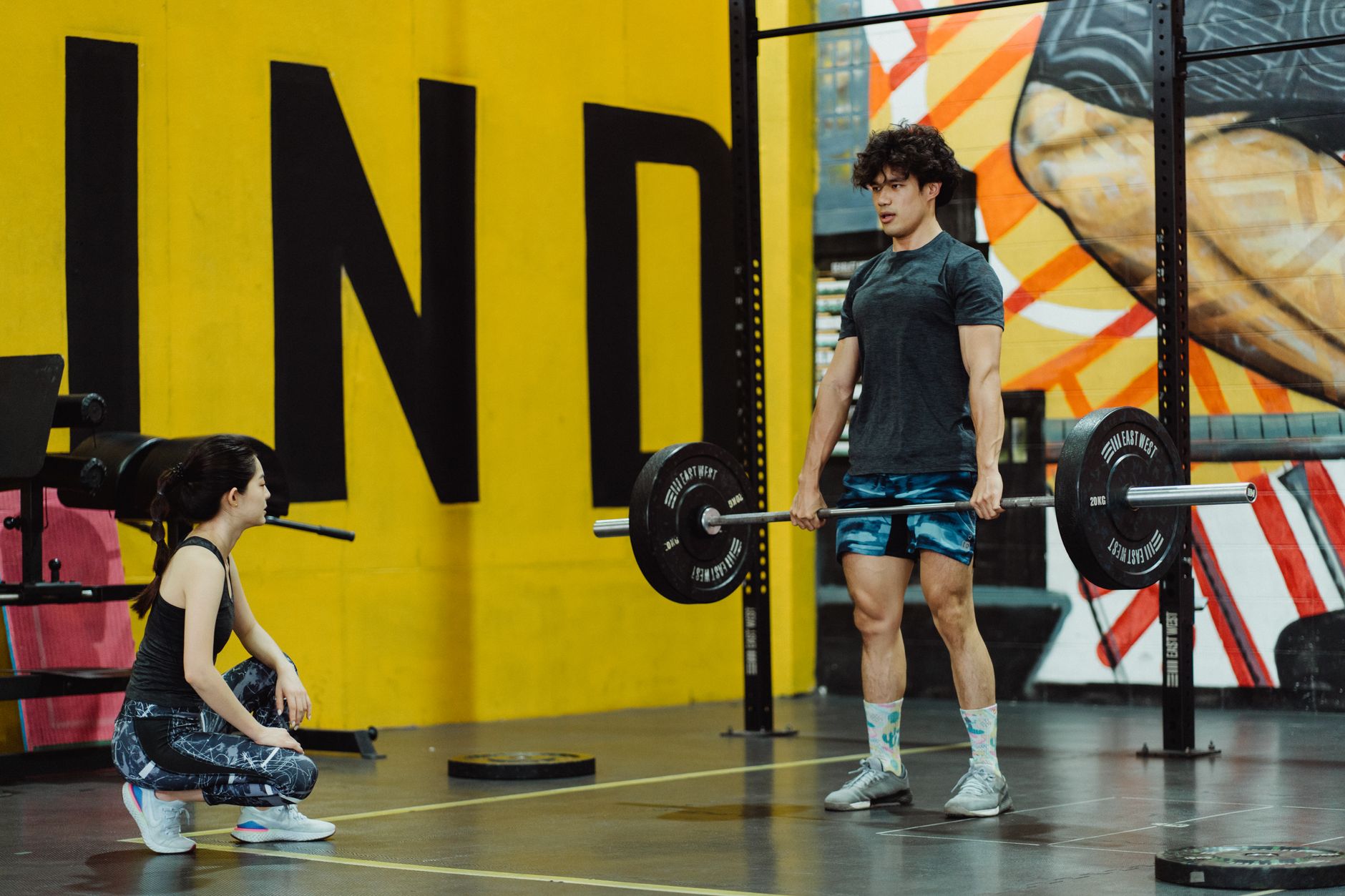
Most people enter a gym with both goals running simultaneously in their head: lose fat, get stronger. It feels like a coherent plan. It isn’t. Not because body recomposition is impossible - it demonstrably happens, particularly in people new to training or returning after a long break - but because the conditions that favour one goal actively undermine the other once you’re past that early window.
Strength gains require sufficient energy availability. Your nervous system needs to recover between sessions, your muscles need substrate to adapt, and your hormonal environment - testosterone, IGF-1, thyroid hormones - responds poorly to sustained caloric restriction. The research on this is not subtle. Studies have consistently shown that testosterone levels drop in response to significant caloric deficits, and that rate of strength gain slows measurably when athletes train in a hypocaloric state. Chasing leanness while expecting strength to climb is asking two things of your body that have different resource requirements.
The training side of this gets ignored more than the nutrition side. When someone stalls on their squat or press, the first instinct is usually to change the program - add volume, switch the rep scheme, look for a new stimulus. But if they’ve also been eating below maintenance for eight weeks, the program is rarely the problem. The deficit is. The body under sustained energy restriction prioritises survival functions over adaptation to training stress. That’s not a motivational failing; it’s physiology.
The Issue With Doing Both at Once
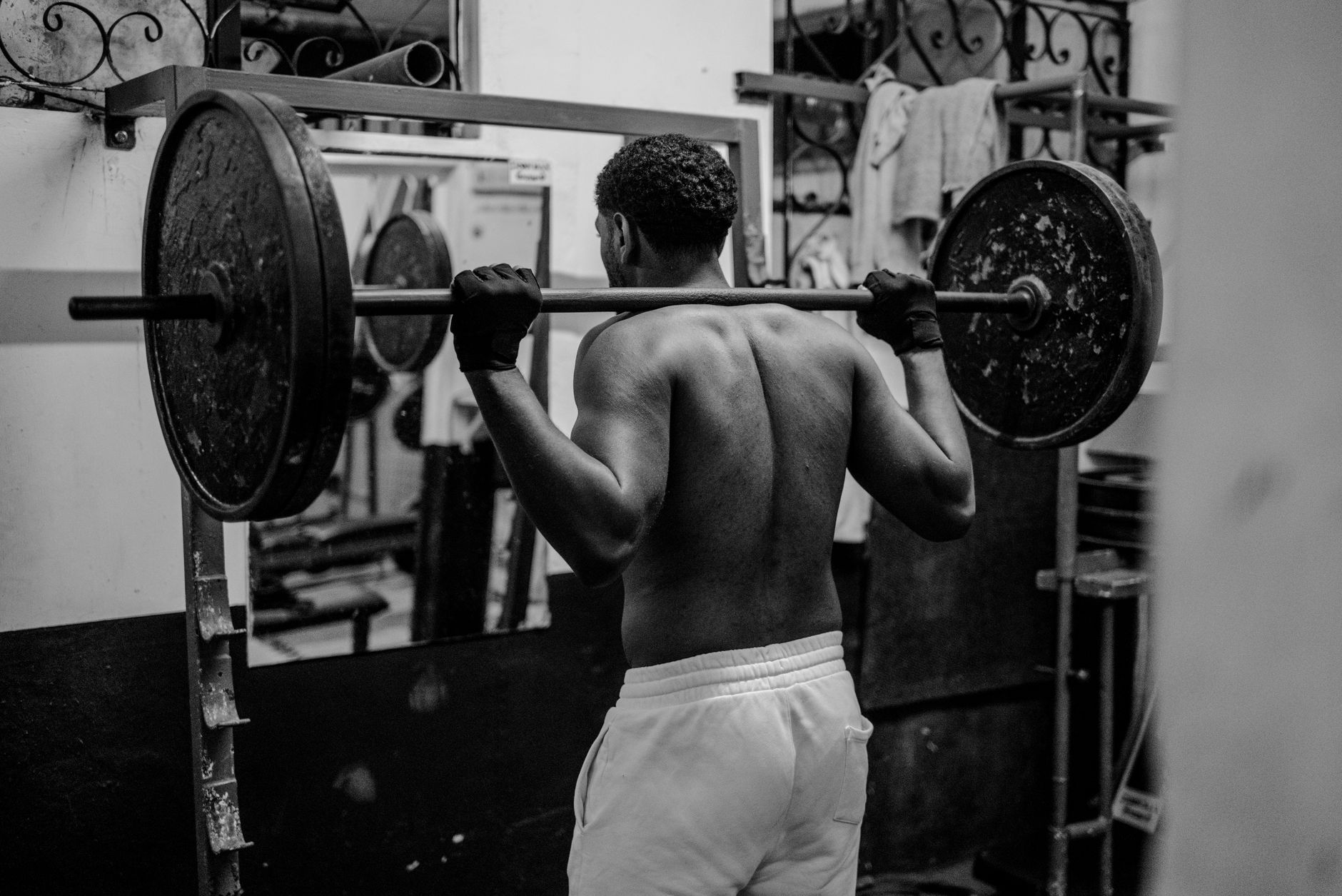
Running a moderate deficit while training hard isn’t inherently wrong. But “moderate” is doing a lot of work in that sentence. A 200–300 calorie daily deficit looks very different from a 700–800 calorie one, and many people estimating their intake are operating in the latter range without knowing it. At that level, you’re not in a fat loss phase with some training. You’re in a fat loss phase that training is struggling to survive inside.
The leaner you already are, the more this matters. Someone carrying significant excess body fat has a larger buffer - their body can draw on stored energy more readily to support training. Someone already reasonably lean who pushes further into a deficit will feel it in performance first, body composition second.
What to Actually Do
Pick a primary goal per block and let the other one be a background consideration, not an equal priority. If you’re in a fat loss phase, accept that your strength numbers may hold roughly flat - and count that as a success, not a failure. If you’re in a strength phase, eat to support it and stop monitoring your leanness weekly.
The two goals can alternate. They just can’t share the same training block without one of them losing.