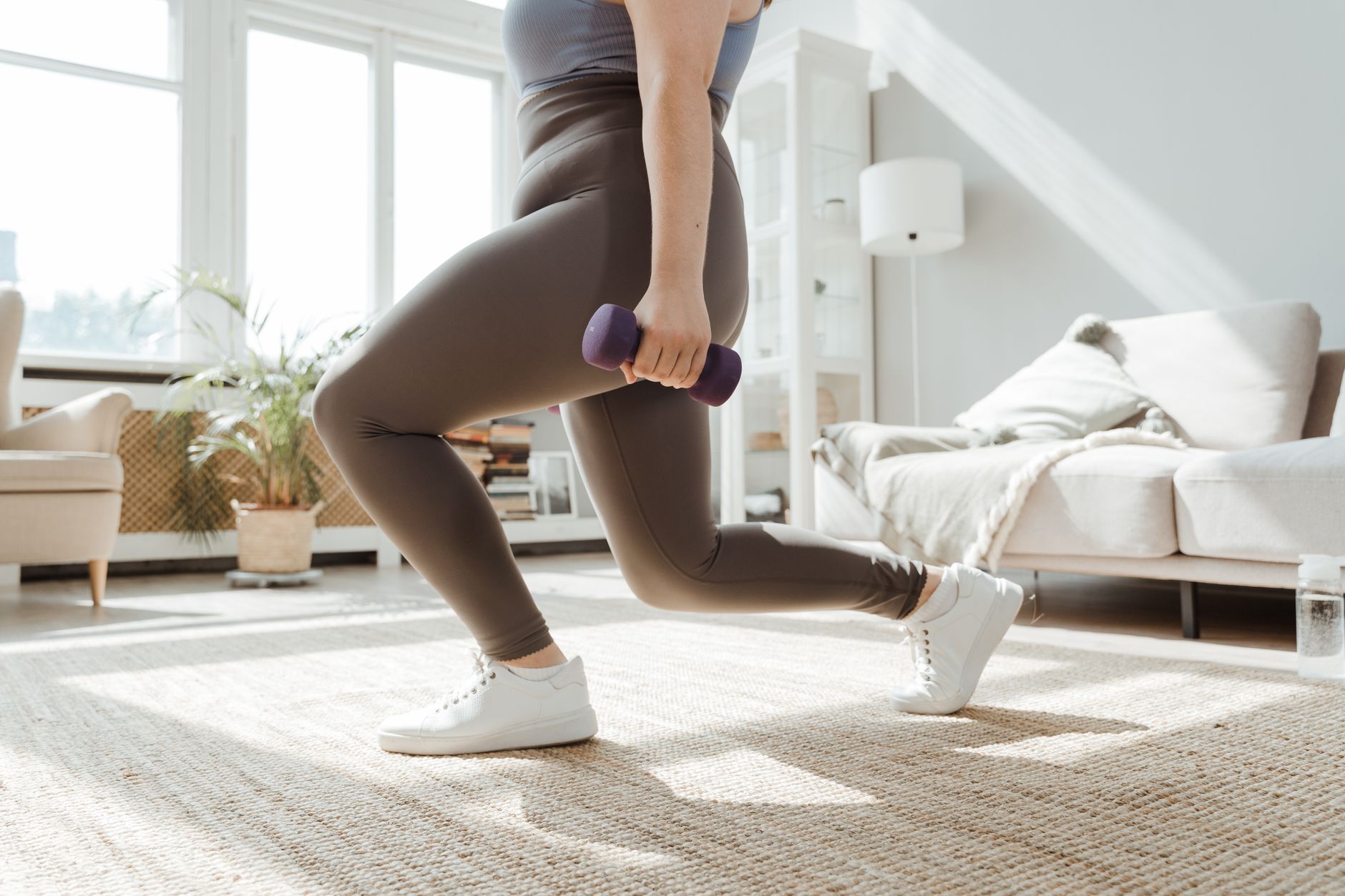
Most lifters treat unilateral work - single-leg squats, split squats, single-arm presses - as accessory filler. Something you tack on after the real work. That framing is backwards.
Bilateral movements like the back squat or bench press let your stronger side compensate quietly and consistently. You probably don’t notice it. The bar moves, the rep counts, the session ends. But over months and years, that compensation compounds. One side gets relatively stronger, one side gets less training stimulus, and the imbalance you started with becomes structural rather than incidental.
Unilateral training removes the escape route. When you’re standing on one leg or pressing with one arm, there’s no stronger side to pick up the slack.
What Actually Happens to Load
Here’s something that surprises people: you don’t need to use half the weight to get equivalent stimulus. A single-leg Romanian deadlift with a 24kg kettlebell is not the same as doing a conventional RDL with 48kg - the stability demand, the hip loading angle, and the range of motion are all different. In most cases, unilateral movements allow a greater range of motion and place more isolated stress on the working muscle than their bilateral equivalents at comparable loads.
The practical implication is that you can do meaningful leg training with relatively modest equipment. A pair of dumbbells and a bench is enough to run a legitimate lower-body session built around Bulgarian split squats, single-leg hip thrusts, and step-ups.
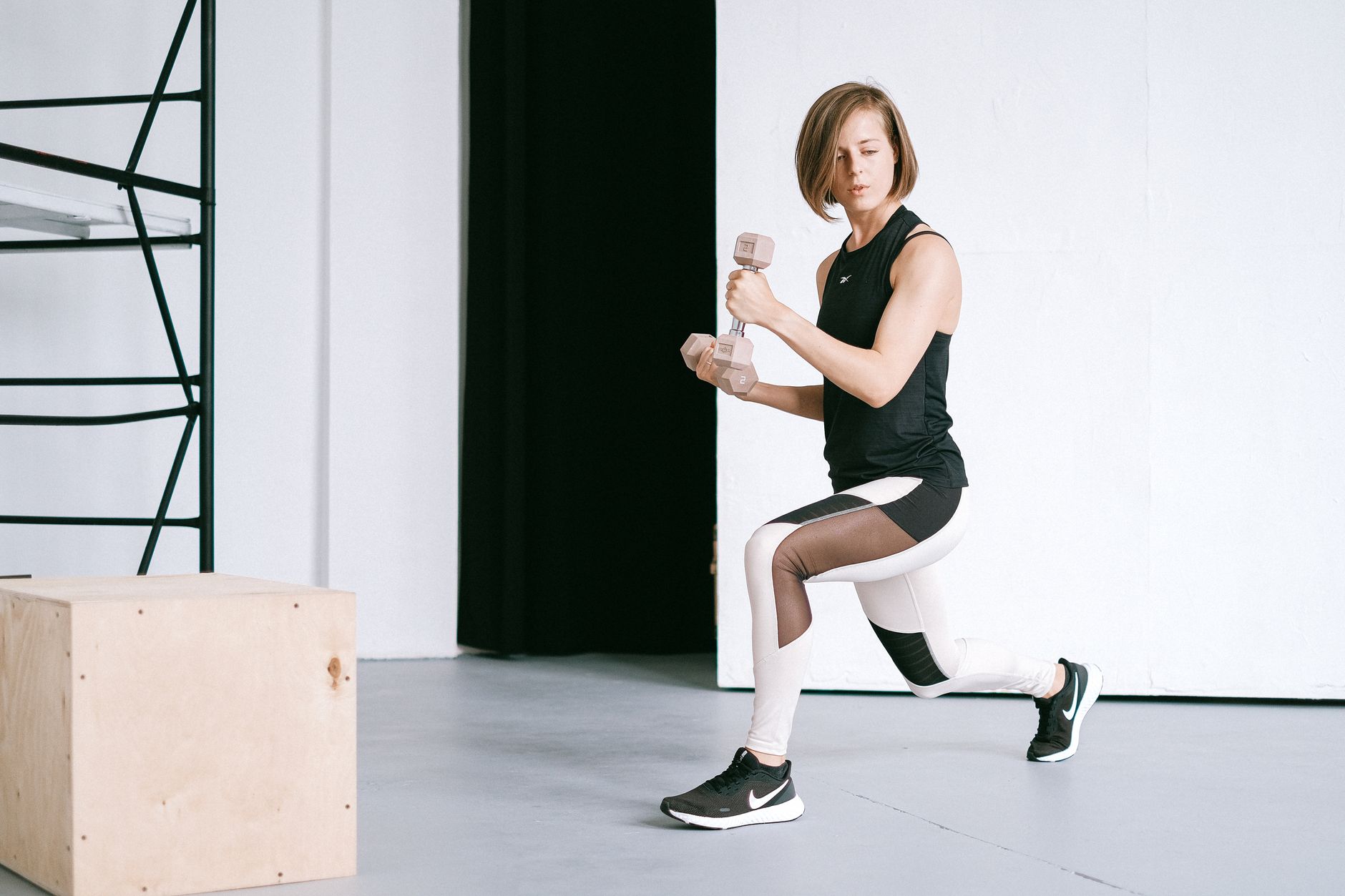
Where Most People Get It Wrong
They rush the setup. A Bulgarian split squat done with your rear foot too close, or your torso pitching too far forward because the elevation is wrong, isn’t just less effective - it tends to load the knee in a way that eventually becomes a problem. Spend time getting the foot position right before adding load. The working leg’s shin should stay roughly vertical at the bottom of the movement.
How to Actually Program It
Unilateral work doesn’t need its own separate day to be effective. Replacing bilateral lower-body movements with their single-leg equivalents two sessions out of three is enough to start evening out strength differences. For upper body, alternating dumbbell pressing instead of always using a barbell introduces the same effect without requiring a full program overhaul.
The goal isn’t symmetry for its own sake. It’s making sure both sides are actually being trained rather than one side being carried.