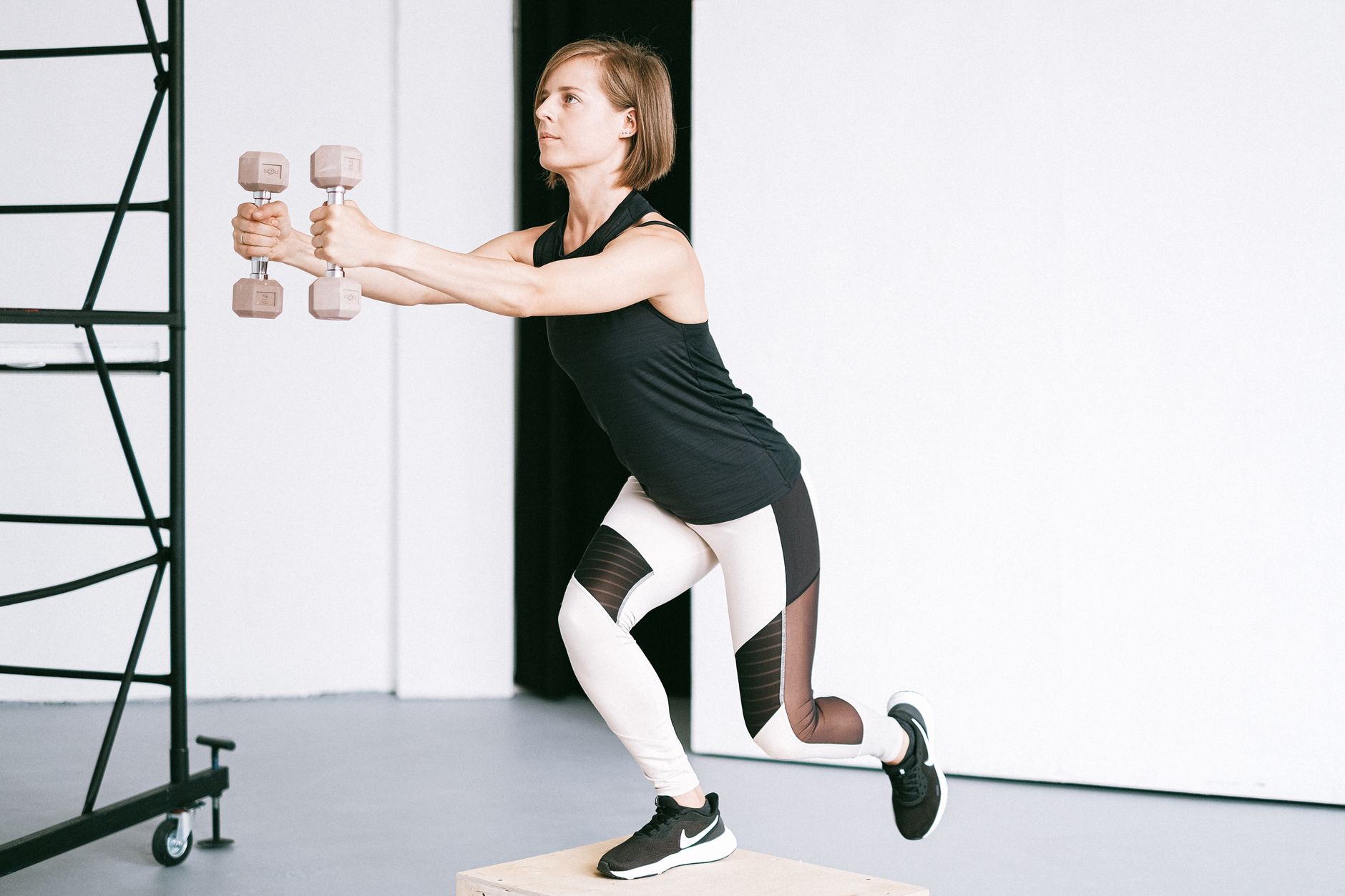
Most strength programs are built around bilateral lifts - squats, deadlifts, bench press, rows. That makes sense. They allow heavy loading, they’re easy to program, and they have decades of evidence behind them. But the default assumption that bilateral always means better is worth questioning, especially once you’re past the beginner stage.
Unilateral training - split squats, single-leg Romanian deadlifts, single-arm pressing and pulling - forces each limb to operate independently. That sounds simple, but the implications compound quickly.
The Strength Imbalance You’re Probably Ignoring
When both legs push together, the stronger side compensates. It’s not dramatic, and you won’t notice it in day-to-day lifting - but it accumulates over years. The result is a left-right strength gap that only shows up when you test each side separately, or when something breaks down under real-world load: a change of direction on a run, a heavy uneven carry, stepping off a step under fatigue.
Bulgarain split squats, for example, load each leg with more relative intensity than a back squat at the same total weight. Research on the Bulgarian split squat has shown high levels of quadriceps and glute activation comparable to bilateral squatting, with added demand on hip stability and single-leg balance. That’s not a consolation prize - it’s a different and often superior training stimulus.
It Also Trains Stability You Can’t Fake
Bilateral movements let your core and hips share load symmetrically. Unilateral movements don’t offer that option. Your stabilisers - the hip abductors, the rotator cuff, the obliques - have to work without the backup. Programming one heavy unilateral movement per session puts those structures under honest load without adding volume to the main bilateral lifts.
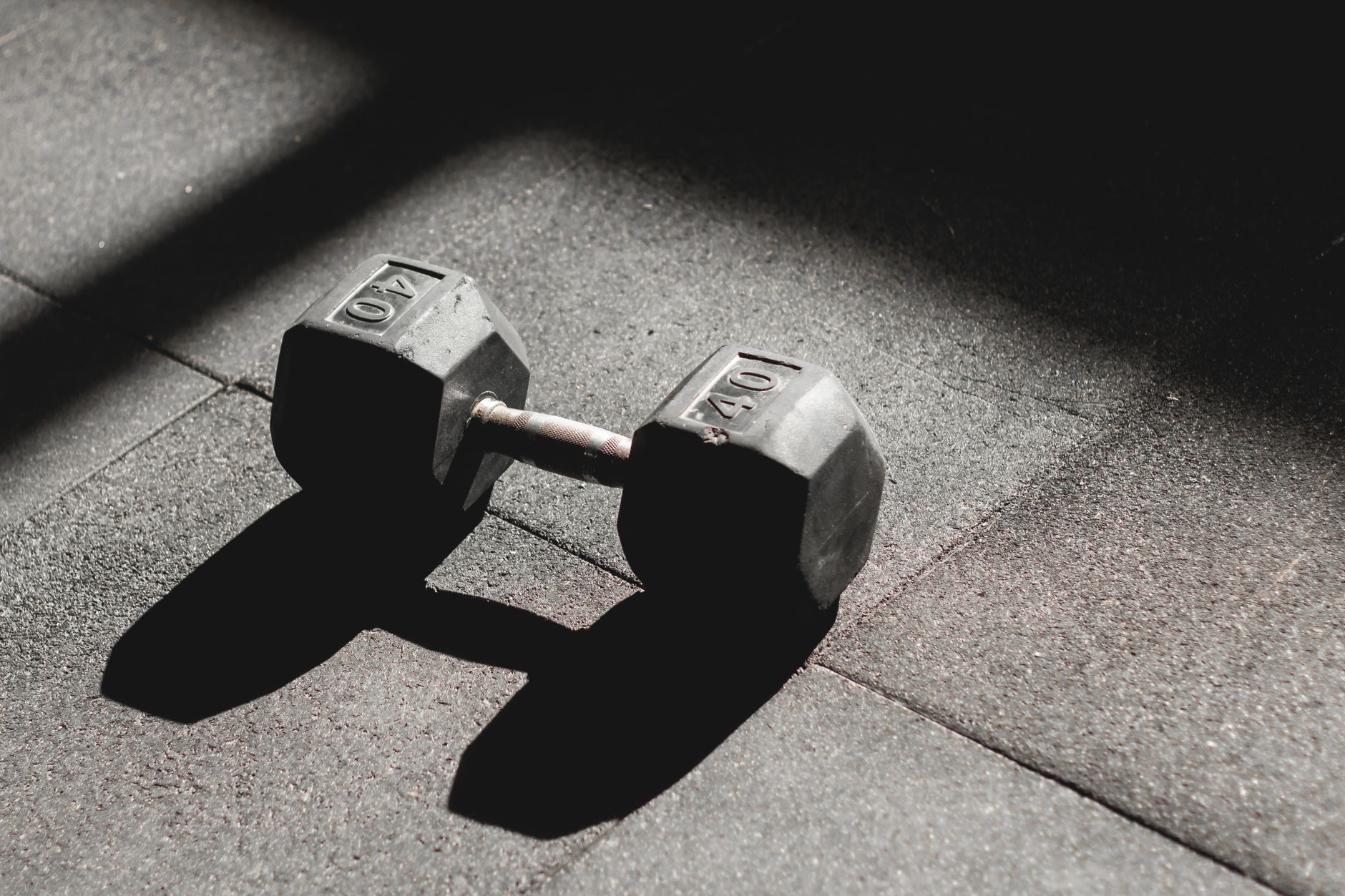
How to Actually Use It
The most practical approach isn’t replacing your bilateral work - it’s promoting one unilateral exercise to a primary slot rather than leaving it as a burnout accessory at the end.
For lower body: open with Bulgarian split squats or single-leg RDLs before your bilateral squat or hinge. For upper body: lead a pressing day with single-arm dumbbell press, or anchor your back session with single-arm cable rows.
The loading will feel humbling at first. That’s the point.
One Underrated Benefit
Injury management. If one shoulder, knee, or hip is irritated, unilateral work often allows continued training on the unaffected side while the other recovers - and the cross-education effect means the resting limb retains more strength than it would with complete rest. This is well-documented in motor learning research, even if the magnitude is modest.
That alone is worth building the habit before you need it.