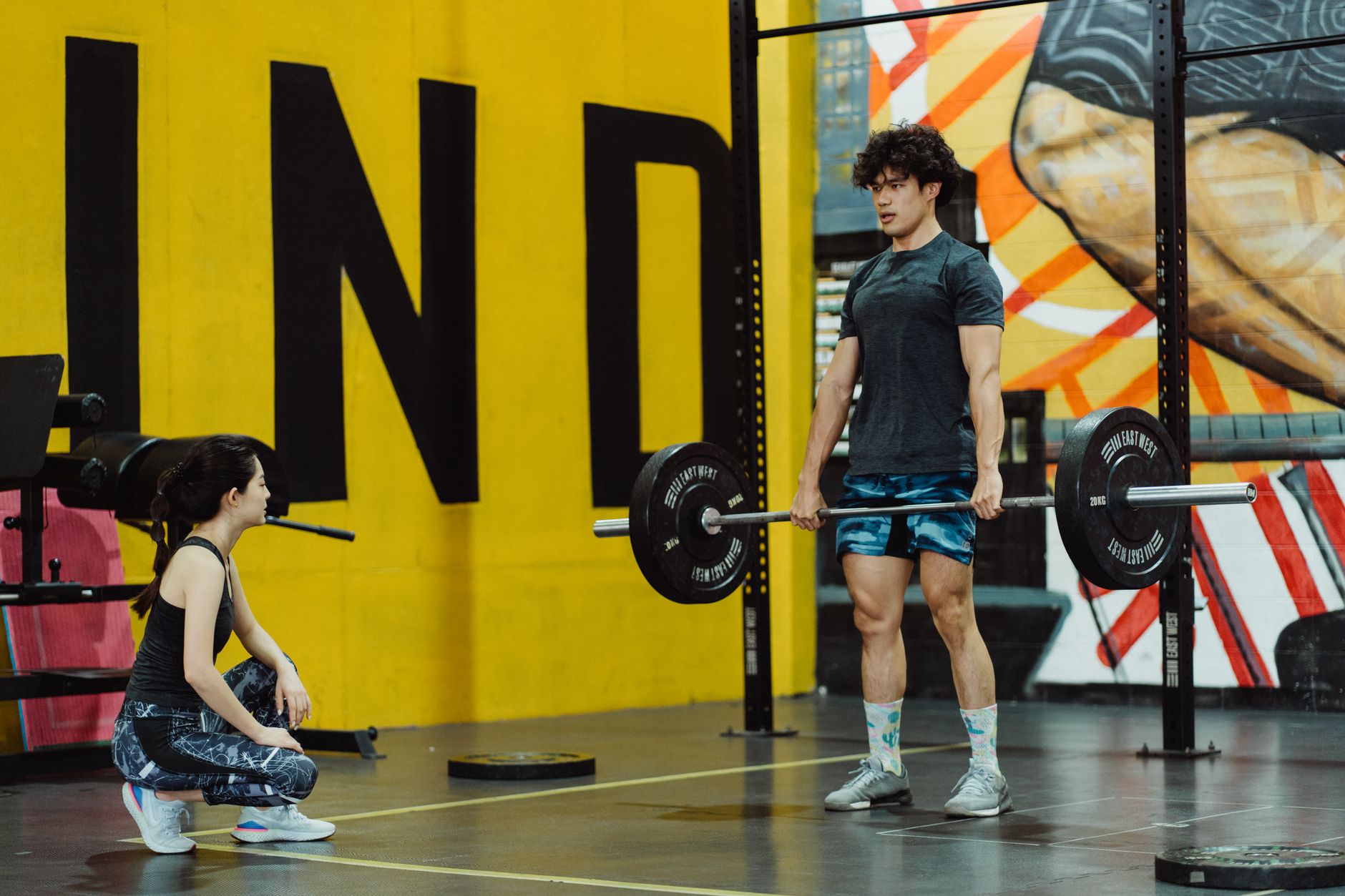
Most people build their training around feedback they can see. Chest, shoulders, quads - muscles that face the mirror, muscles that show up in selfies. The posterior chain - hamstrings, glutes, spinal erectors, rear delts - gets treated as supplementary work, something bolted onto the end of a session once the “real” training is done.
That sequencing is backward.
The Posterior Chain Is Structurally More Important
The backside of your body handles deceleration, hip extension, and spinal stability - three things you rely on in every compound lift, not just deadlifts. When the posterior chain is underdeveloped relative to the anterior, you compensate. Knee dominant patterns dominate where hip dominant patterns should. The lower back takes on load the glutes and hamstrings should be absorbing. This doesn’t always show up as injury immediately, but it shows up as stalled deadlifts, soft lockouts on squats, and a recurring tightness in the lumbar that stretching never quite fixes.
Building posterior chain work into the front half of a session - before fatigue accumulates and attention drifts - changes the quality of the stimulus considerably.
What a Posterior-Chain-First Session Actually Looks Like
The structure here isn’t complicated, but the ordering matters:
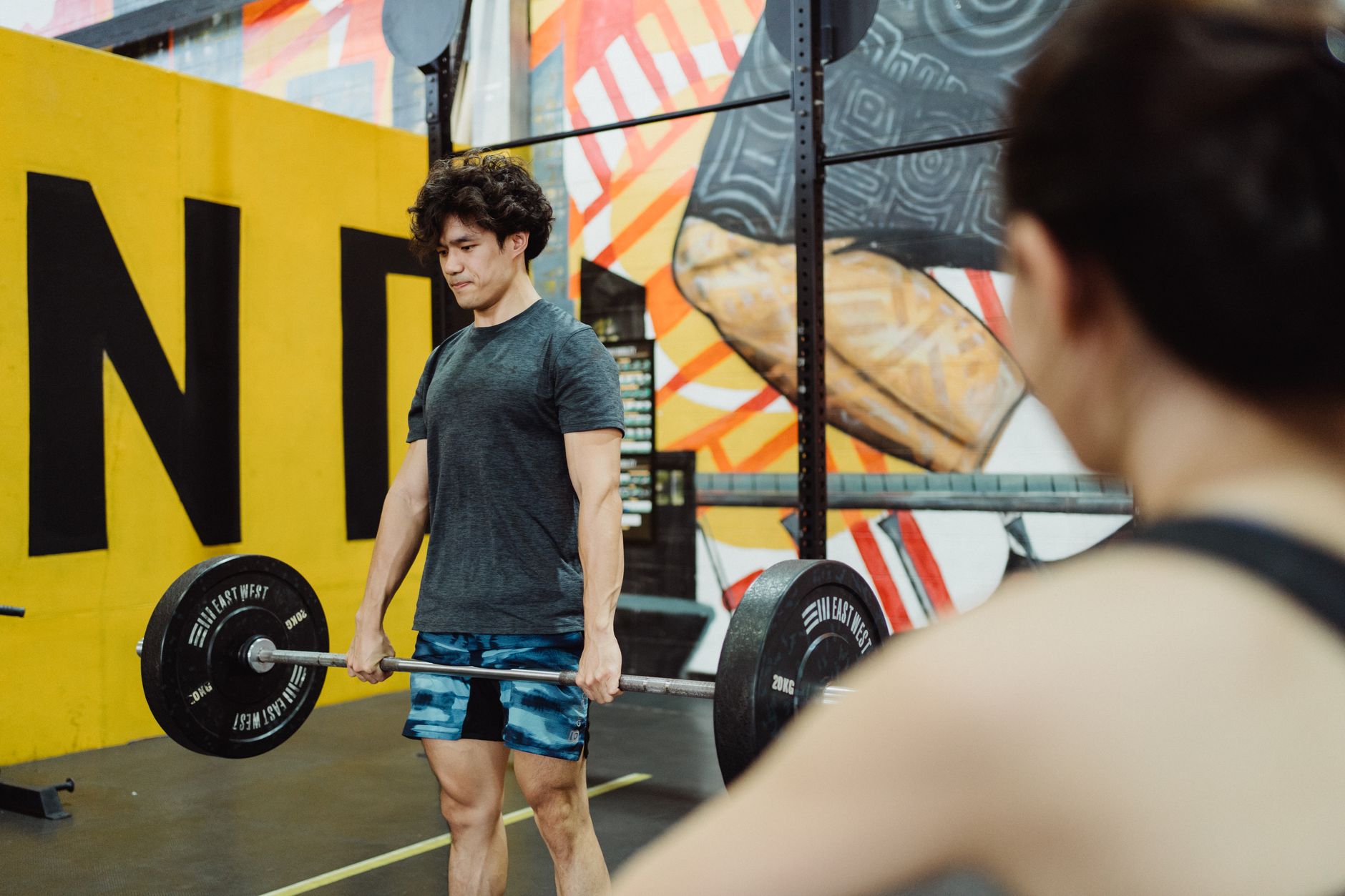
1. Romanian Deadlifts - 4 sets × 6–8 reps Heavy enough that the last two reps require concentration. Full hip hinge, hamstring stretch at the bottom, no bouncing out of the hole. This is the primary movement.
2. Glute-Ham Raises or Nordic Curls - 3 sets × 4–6 reps If your gym has a GHD, use it. If not, Nordic curls done with a training partner or anchored feet are one of the more demanding hamstring exercises available, and they’re almost always skipped because they’re hard.
3. Single-Leg Hip Thrusts - 3 sets × 8–10 reps per side Unilateral here is intentional. Bilateral hip thrusts make it easy for the stronger side to compensate. Single-leg exposes the gap.
4. Face Pulls or Band Pull-Aparts - 3 sets × 15–20 reps Rear delt and upper back work. Light, controlled, not treated as filler.
The Part Most Lifters Skip
Nordic curls. Consistently. Most people try them once, find them brutally difficult, and file them away as “advanced” or “not for me yet.” But eccentric hamstring strength is exactly what prevents the kind of hamstring strains that sideline runners and field sport athletes. The difficulty is the point.
One Honest Caveat
If you’ve been doing predominantly quad-dominant training for an extended period, rotating to posterior-chain-first sessions will feel inefficient at first. The weights will be humbling. There’s an adjustment period - probably four to six weeks - before the movement patterns feel natural enough to push them hard. Whether that adjustment is worth the disruption depends on how much the imbalance is actually limiting you, and that’s harder to assess than most people are willing to sit with.