
Rest-pause training gets lumped in with intensity techniques that sound dramatic but mostly just exhaust people. That reputation is partly deserved - done carelessly, it’s a way to grind out junk volume while telling yourself you’re working harder than everyone else. But used with some precision, it’s one of the better tools for accumulating quality reps at weights that would otherwise cap you out too early.
The mechanics are simple. You take a set close to failure, rack the bar, rest 10–20 seconds, then keep going. You might do this once or twice more before fully stopping. The total rep count ends up higher than a single straight set, but you never drift so far into fatigue that form collapses or the muscle stops doing the work.
What it’s actually doing is giving your phosphocreatine system just enough time to partially recover. That 15-second pause isn’t rest in any meaningful sense - it’s a reset. Your cardiovascular system barely registers it. The muscle group is still primed. What you’re getting is another 2–4 hard reps at a load you’d otherwise have to drop.
Where It’s Worth Using
Rest-pause works best on exercises where you can safely rerack or set down the load quickly - bench press, machine work, dumbbell rows, leg press. Exercises that require you to grind through a full range with no easy bail point - Romanian deadlifts, barbell squats, overhead press standing - are riskier, because the post-pause reps come when your stabilizers are already fatigued.
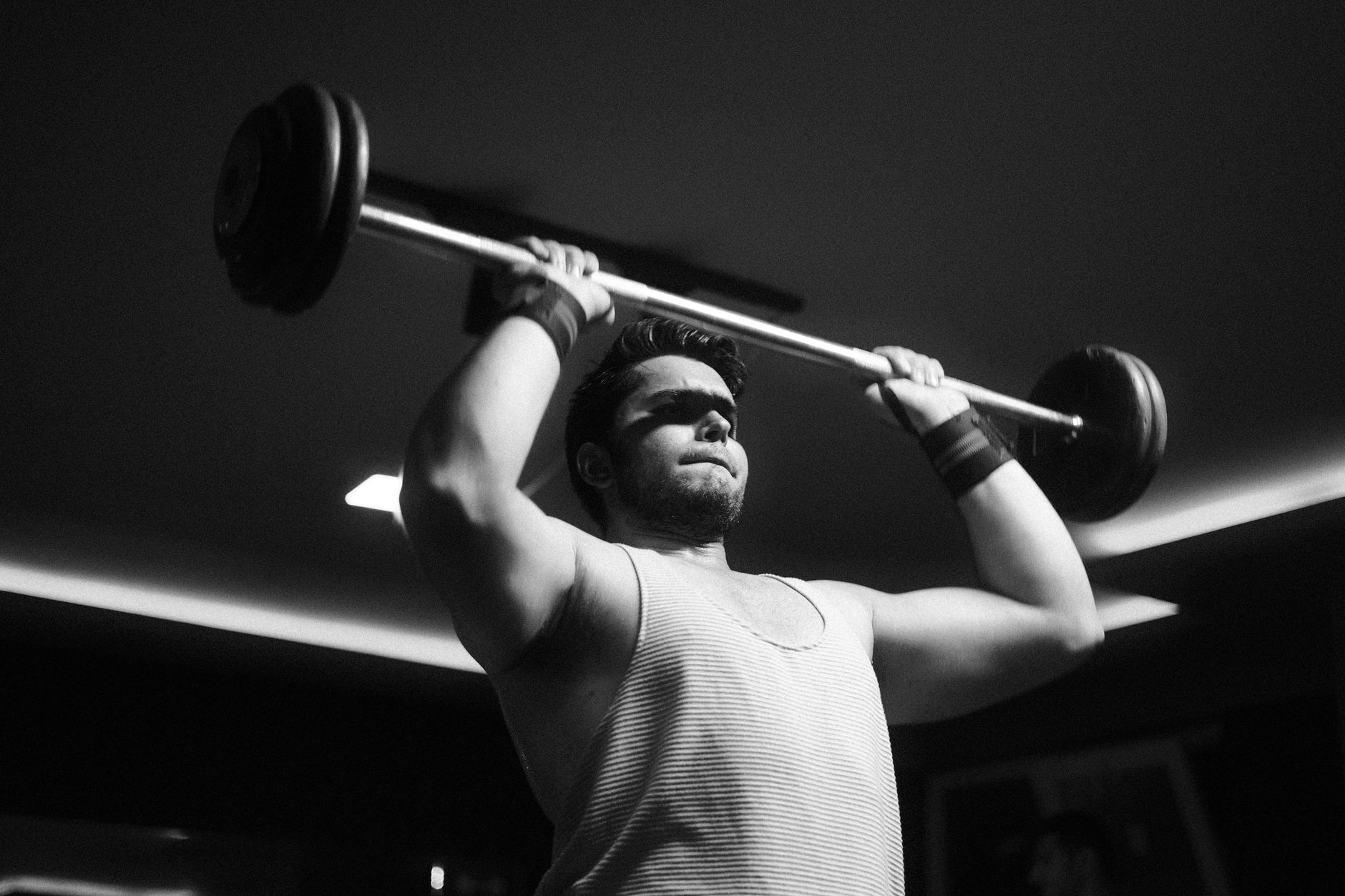
It’s also better suited to hypertrophy work than strength work. If you’re trying to hit a new 3RM, rest-pause won’t help you and might hurt. If you’re trying to get 12 quality reps out of a weight you can only do 8 times before hitting a wall, it’s appropriate.
The Ego Part
The honest problem with rest-pause is that people use it to avoid dropping weight. If you can only get 6 clean reps at 185 lbs and you want to hit 10, the right answer is usually to use 165 lbs. Rest-pause becomes a rationalization for staying at a weight that flatters you.
Used that way, it just adds fatigue without adding stimulus. The technique is sound. The application is usually the issue.
One rest-pause set at the end of a working set, on a controlled exercise, after you’ve already done your straight sets - that’s a reasonable use. Building an entire session around it because you don’t want to load the bar appropriately is a different thing entirely.