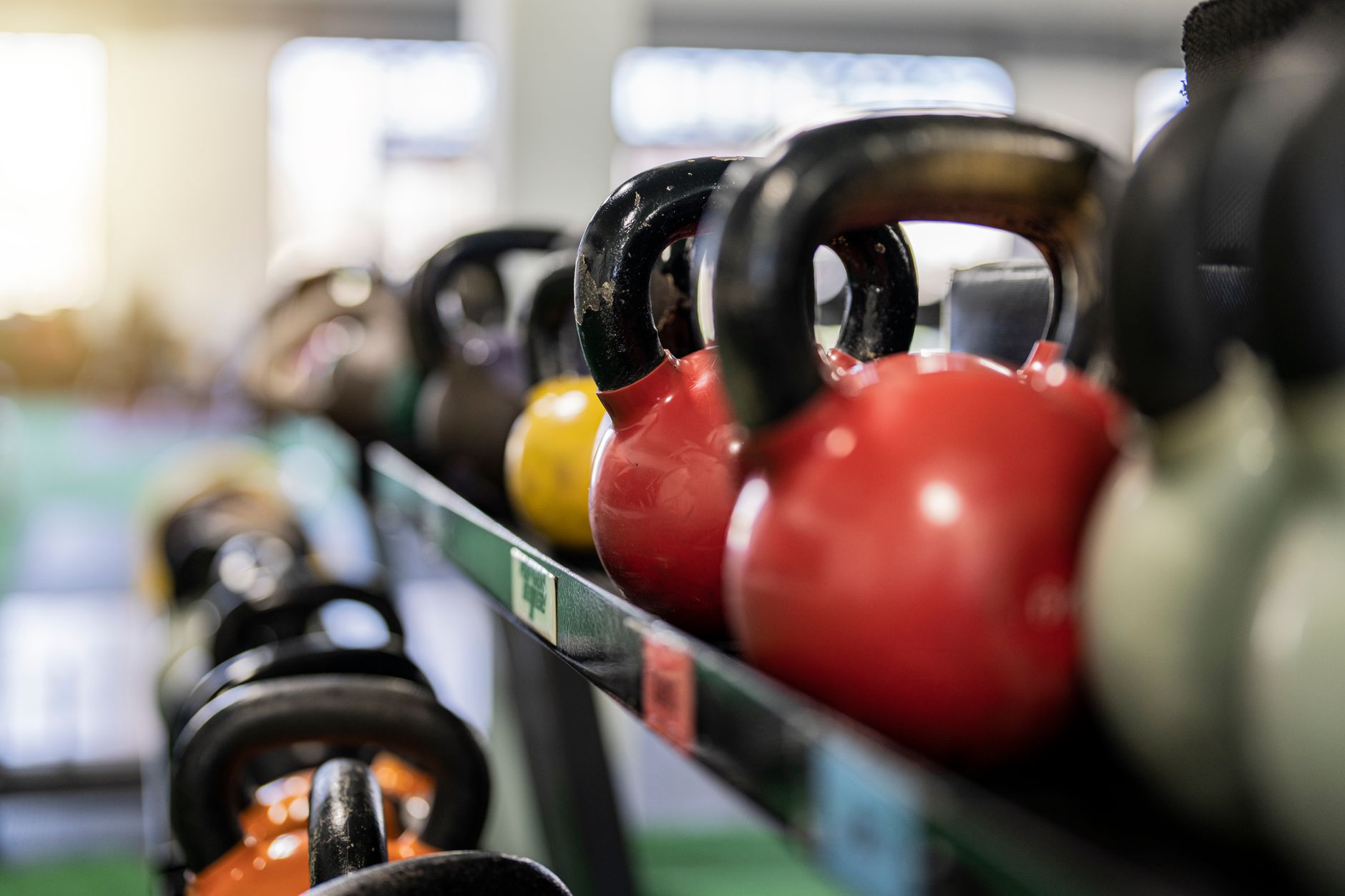
Most people treat loaded carries - farmer walks, suitcase carries, overhead carries - as a way to torch grip at the end of a session when there’s nothing left to do. Set up, walk 20 metres, drop the weights, feel your forearms burn. Fine. But that’s using a high-yield tool as a garnish.
Carries are a full-body stabilisation challenge. The demand runs through your grip, wrist, elbow, shoulder, trunk, hip, and ankle simultaneously. That’s not a finisher - that’s a primary movement pattern with a different load profile than anything else in most people’s programmes.
Why Position Them Earlier
When you put carries near the start of a session, you prime the lateral trunk stabilisers and the upper back in a way that carries over directly to compound lifts. A set of heavy suitcase carries before deadlifts, for example, tends to clean up the brace and keep the torso from canting to one side under load. This isn’t a guaranteed effect for everyone, but it’s a consistent enough observation that it’s worth testing.
More practically: if your grip and shoulders are already pre-fatigued by the time you get to carries, you’re limited by peripheral fatigue rather than the quality of the movement. You’re essentially capping the training stimulus.
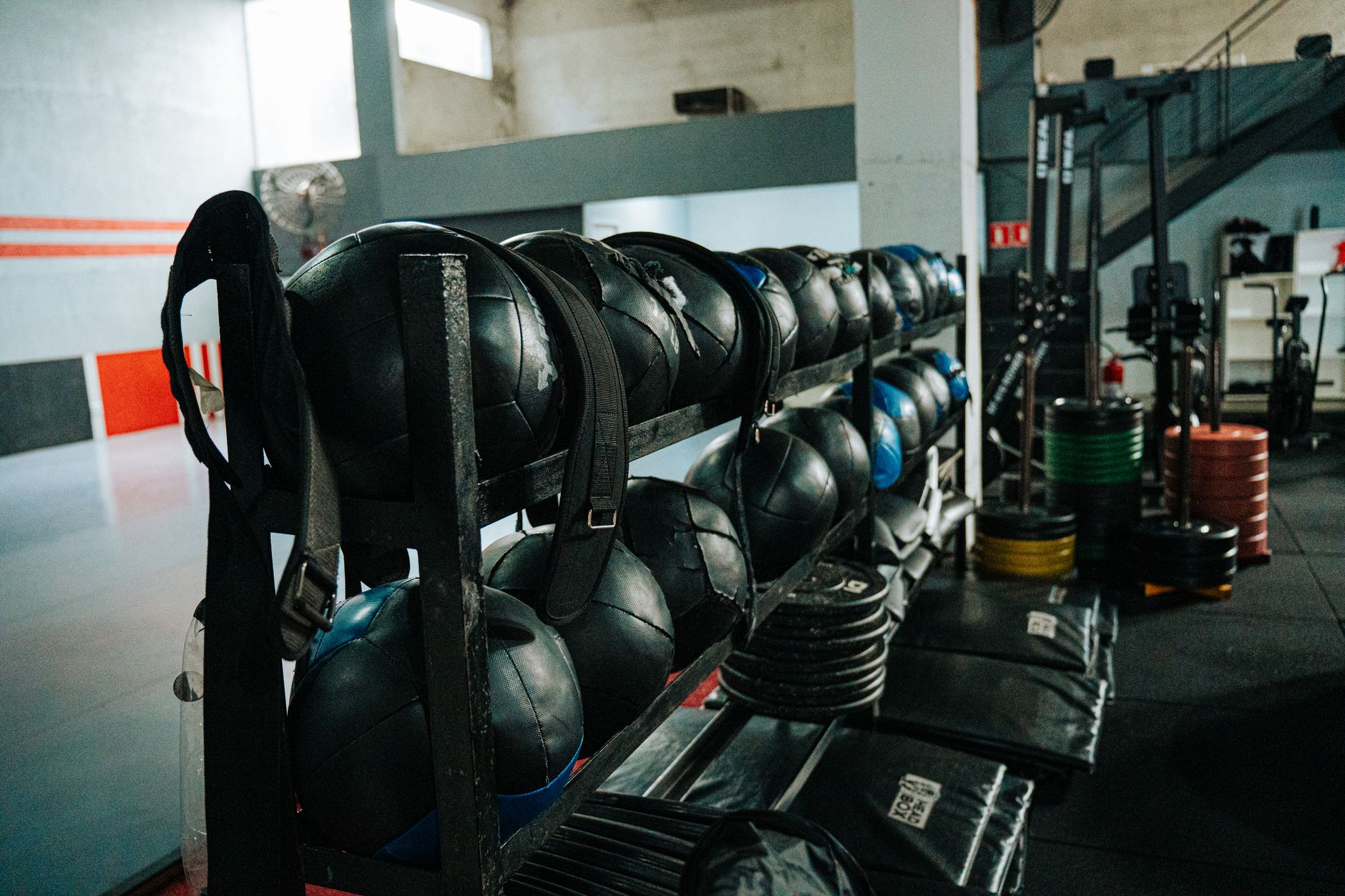
The Suitcase Carry Is Doing More Than the Farmer Walk
Bilateral farmer walks are easier to load and easier to feel like you’re doing well. The suitcase carry - one weight, one hand - exposes asymmetries immediately and forces the contralateral oblique and QL to work in a way that bilateral loading doesn’t. For anyone who spends their training life on a barbell, this is the variation that reveals the most.
Start with 60–70% of what you’d use in a farmer walk, and don’t rush the steps. Short, controlled strides keep the trunk under tension; long strides let you cheat the stability demand.
A Simple Integration
This doesn’t need to be complicated. Three sets of 30–40 metres of suitcase carries - alternating hands between sets - placed after your first warm-up but before your main compound work. Ten minutes, maybe less. That’s it.
How much you load them matters less than how honest you are about what you feel. Most people find the weight that makes them look smooth is lighter than they’d like to admit.
What happens after a few weeks of that placement is usually enough to change where they sit permanently in a session - but that part you’d have to find out yourself.