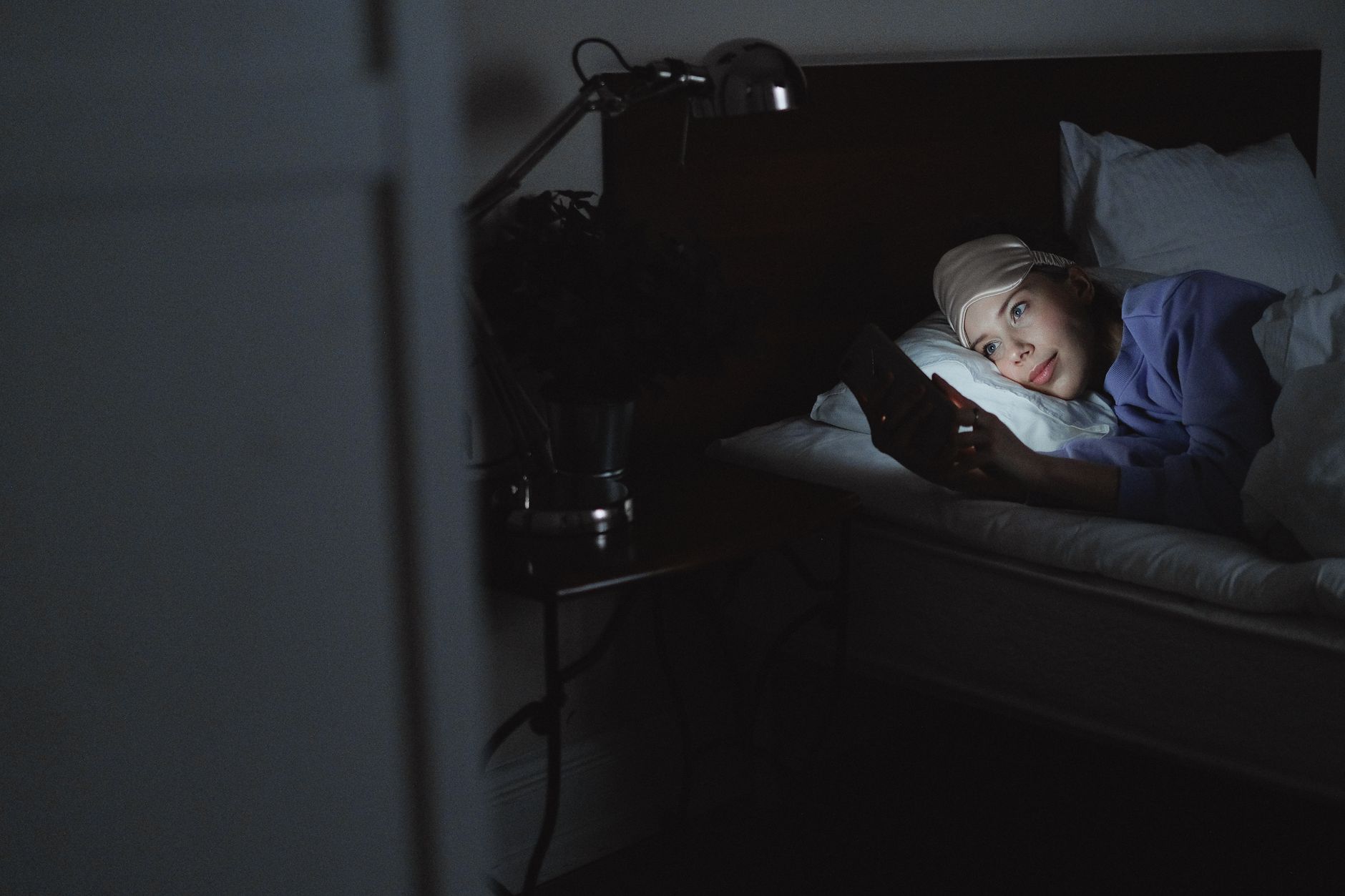
Most people frame late-night phone use as a sleep problem. Blue light, delayed melatonin, reduced sleep duration - all of that is real. But the more significant effect isn’t what happens to your sleep architecture. It’s what happens to your attentional capacity the following day, and the day after that, when the habit compounds.
The brain doesn’t just need sleep to consolidate memory and clear metabolic waste. It needs the transition into sleep - the wind-down period where cognitive load drops, ambient stimulation fades, and the nervous system shifts register. Scrolling through social media, reading charged news, or even watching engaging video content works directly against that transition. You’re not relaxing. You’re deferring the cost of stimulation into the next morning.
What You Actually Feel the Next Day
The tiredness that follows isn’t always obvious. Most people don’t feel wrecked after a night of late scrolling - they feel slightly blunted. Slower to start tasks. More likely to reach for distraction. Mildly irritable without a clear reason. These aren’t dramatic symptoms, which is exactly why the pattern persists. Nothing bad enough happens to create pressure to change it.
But these are the same conditions that make stress harder to regulate. When attentional resources are depleted, minor friction - a difficult email, a noisy environment, a workout that feels harder than expected - registers as more threatening than it otherwise would. The nervous system is already running lean.
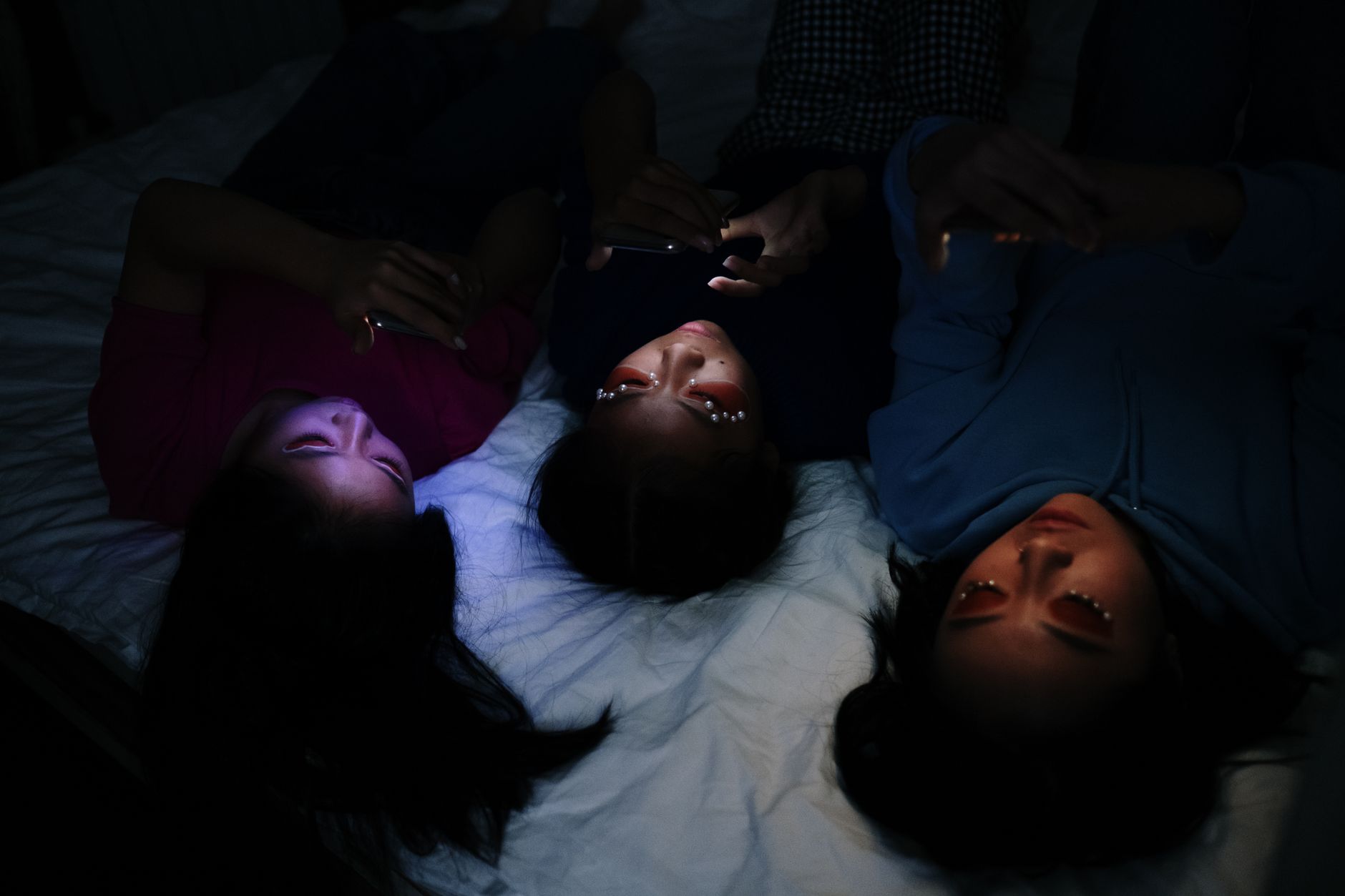
The Habit Isn’t Relaxing, Even When It Feels Like It
This is the part people resist. Scrolling feels like unwinding. It’s low-effort, horizontal, warm. But passive engagement with variable-reward content - which is what most social feeds deliver - keeps the brain in a mild state of anticipation. That’s structurally different from the kind of rest that actually prepares you for sleep.
Reading fiction, listening to music without multitasking, or simply lying in the dark all produce a different neurological state. Less interesting, in the moment. More useful, over time.
A Practical Line to Draw
Setting a hard stop on screens 45–60 minutes before bed isn’t a radical intervention. It’s a small boundary that protects something most people undervalue: the quality of their attention the next day.
Not because mornings need to be optimised, but because low-grade attentional fatigue, repeated across weeks, quietly reshapes how you experience stress, effort, and your own mood - without ever feeling like something worth addressing.