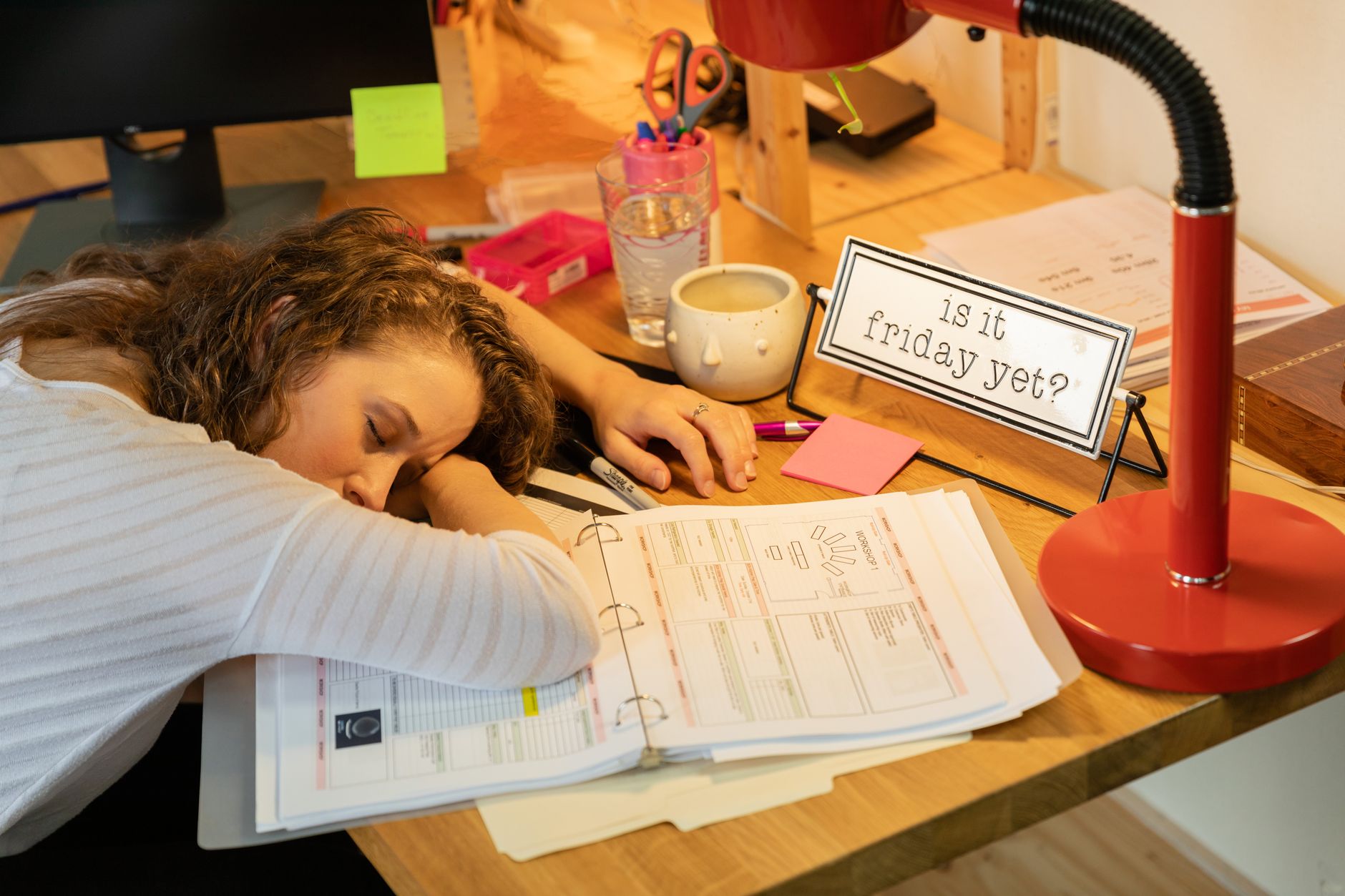
Most people experience a dip in alertness and cognitive performance in the early-to-mid afternoon - roughly between 1pm and 3pm. This isn’t a consequence of eating a bad lunch or lacking discipline. It’s a predictable feature of human circadian biology. The post-lunch dip, as it’s sometimes called in sleep research, appears even in people who skip lunch entirely, which is what distinguishes it from a blood sugar response.
The circadian system runs on roughly 24-hour cycles, but it also generates a secondary trough in alertness during the afternoon hours. This is well-documented in sleep science - it’s the same window when napping is most effective and when reaction times tend to slow. The body isn’t failing. It’s following a pattern.
Why Caffeine at 2pm Is a Bad Trade
The instinct is to reach for coffee. And it works, briefly - caffeine blocks adenosine receptors and delays the perception of fatigue. But caffeine has a half-life of roughly five to seven hours in most adults, which means a 2pm coffee still has meaningful concentration in your system by 7pm or 9pm. For people who already struggle to fall asleep or stay asleep, afternoon caffeine is one of the more reliable ways to erode sleep quality without realizing it’s the cause.
Sleep debt compounds. One mediocre night creates a slightly harder next day, which leads to more caffeine, which leads to lighter sleep, which leads to a worse afternoon the following day. The crash isn’t the problem - it’s often a symptom of a cycle that started several nights ago.

What Actually Helps
A short nap - 10 to 20 minutes - taken during the afternoon dip is more restorative than it sounds. Research from NASA and other institutions has found that brief naps can improve alertness and performance without producing significant sleep inertia (the grogginess associated with waking from deeper sleep stages). The constraint is keeping it short; sleeping past 30 minutes pushes into slow-wave sleep and makes waking harder.
Natural light exposure in the morning - ideally within an hour of waking - helps anchor the circadian rhythm earlier, which can shift the afternoon dip to a more manageable time. This is less about outdoor recreation and more about the light intensity difference between indoor lighting and daylight, which is significant even on an overcast day.

The Productivity Angle No One Talks About
There’s a reasonable argument that the afternoon dip is better scheduled around than fought. Cognitive tasks requiring precision - writing, analysis, complex decision-making - tend to suffer during this window. Administrative work, walking meetings, or lower-stakes tasks are natural fits.
Whether that kind of schedule restructuring is realistic depends heavily on the job. But most people have more flexibility than they use, partly because there’s still a cultural assumption that consistent output across a full eight-hour window is both normal and achievable. It isn’t, really - and treating biology like a productivity failure doesn’t make the biology change.