
Your body does not stop absorbing protein at 30 grams. The number gets repeated like a physiological wall, but absorption and muscle-building response are two different things, and confusing them leads to some strange meal planning.
What the ceiling actually describes
You digest and absorb nearly all the protein you eat. A bigger serving just takes longer to process. What seems to level off is the short-term rise in muscle protein synthesis after a meal. Studies on this tend to find a strong response at roughly 0.25 to 0.4 g/kg of body weight per meal, which for most adults means somewhere between 20 and 40 grams. That’s a useful range for planning. It’s not a point past which protein is thrown away.
So the 60 grams of chicken and rice you ate after training wasn’t wasted. It probably contributed to the day’s total, and the day’s total is the number with the best evidence behind it.
The number to fix first
A 2018 meta-analysis in the British Journal of Sports Medicine looked at protein supplementation during resistance training and found that gains in muscle mass leveled off around 1.6 g/kg of body weight per day. Individuals vary, and the researchers noted that some people may benefit from more. But 1.6 g/kg is a sensible starting target, and most people who struggle to build muscle are missing it by a wide margin.
Set the daily total first. Only then does it make sense to think about how to divide it up.
Why I still split it up
The evidence that evenly spread protein beats lopsided protein, once the total is matched, is mixed. My reason for spreading it out is more practical than physiological. Three or four meals with 25 to 40 grams each makes 1.6 g/kg feel manageable, while trying to cram 100 grams into dinner makes it feel like a chore you’ll skip.
Breakfast
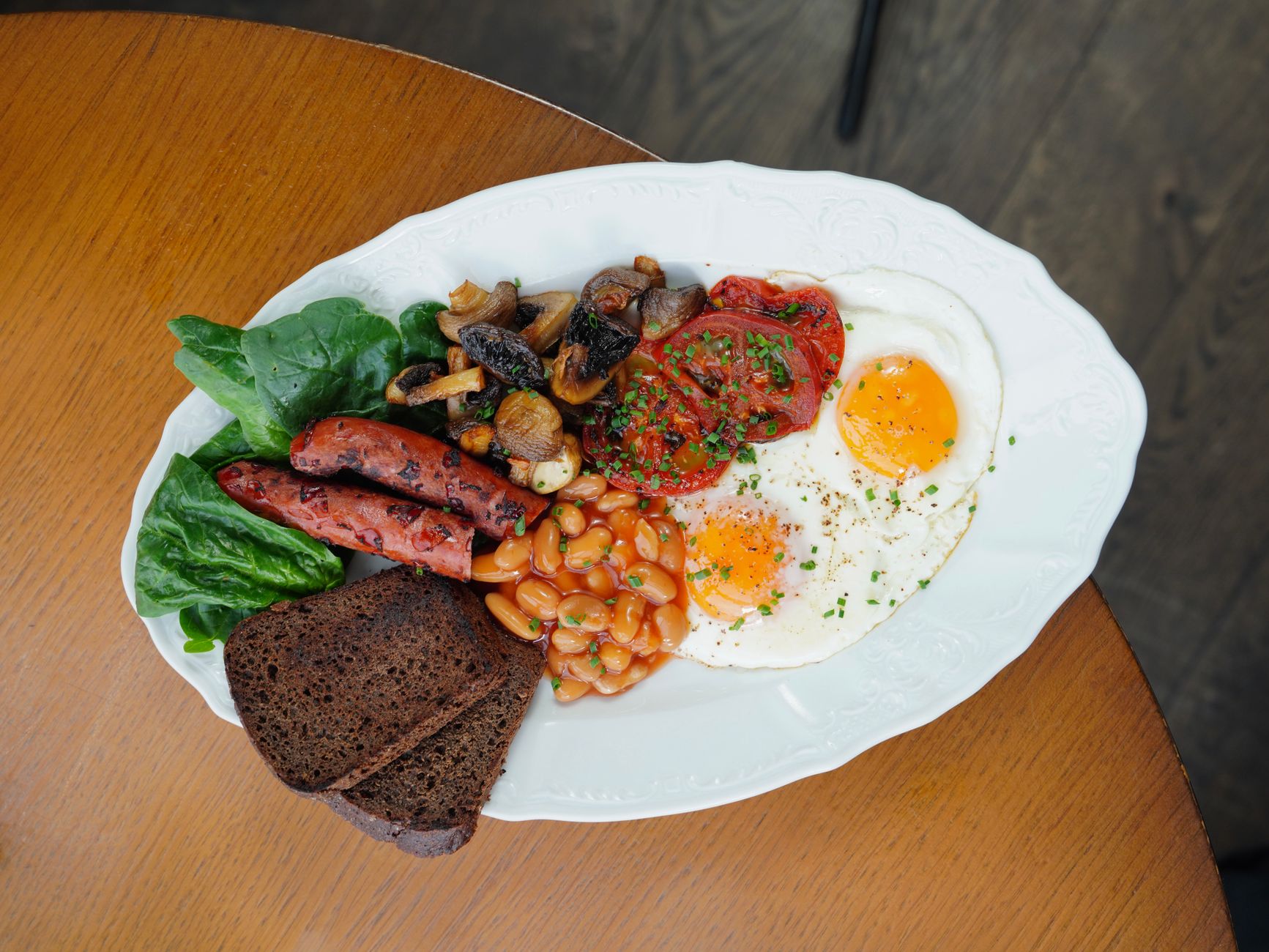
This is where most plans quietly fail. Toast and coffee deliver maybe 8 to 10 grams of protein, and the rest of the day then has to make up the difference. Eggs, Greek yogurt or cottage cheese closes most of that gap before lunch.
A quick way to plan
Take your body weight in kilograms and multiply by 1.6. Divide by the number of meals you realistically eat, not the number you think you should eat. If someone who weighs 75 kg lands at 120 grams a day across three meals, that’s 40 grams each, which is a chicken breast or a large tub of skyr, not a heroic feat.
Snacks can cover the remainder. A day that comes in at 110 grams instead of 120 isn’t a failure, and I’d be suspicious of any plan that treats it like one.