
Most lifters have spent years adjusting load, volume, and rest periods without ever touching the one variable that changes what a rep actually does to a muscle: how long the rep takes.
Tempo training means prescribing a specific duration for each phase of a lift - the lowering phase (eccentric), the pause at the bottom, the lifting phase (concentric), and sometimes a pause at the top. A common notation is four digits, like 4-1-2-0. That means four seconds lowering, one second pause, two seconds lifting, no pause at the top. The same weight, the same movement, a completely different stimulus.
What Changes When You Slow Down
The eccentric phase is where most of the muscular damage occurs - the kind that drives adaptation. When you drop a bench press in one second because you’re focused on the concentric, you’re skipping the portion of the rep that arguably does the most work. Deliberately extending the eccentric to three or four seconds keeps the muscle under load longer, increases time under tension, and tends to produce more soreness and more hypertrophy over time, particularly for intermediate lifters who have already squeezed most of the gains out of progressive overload alone.
The practical adjustment isn’t complicated. You’ll need to drop the load - sometimes significantly. A lifter who rows 80kg for eight reps will often find that 60kg at a 4-1-2-0 tempo is genuinely difficult. That’s not a step backward. The stimulus per rep is higher even if the number on the plate is lower.
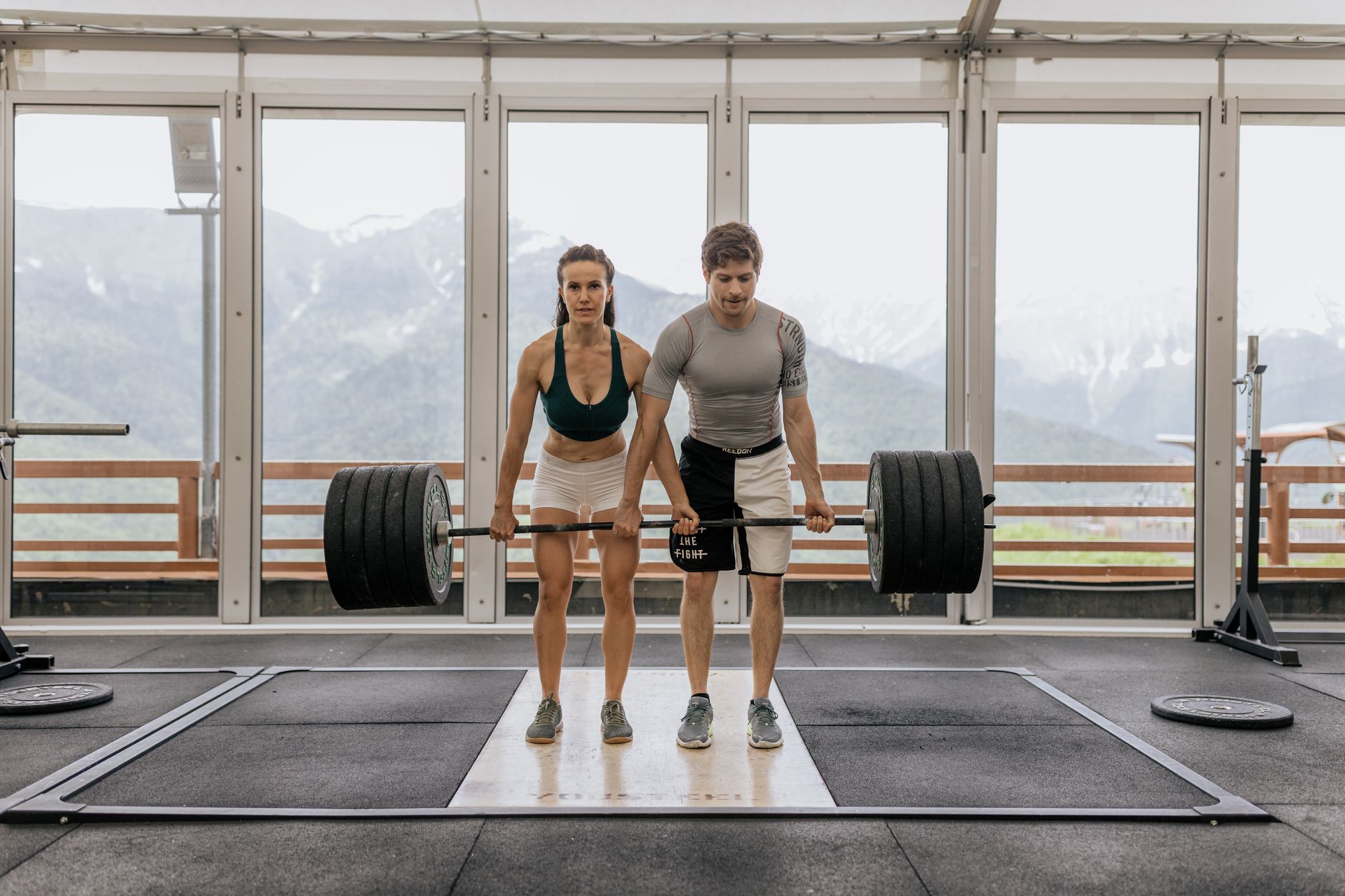
The Pause Is Doing Something Different
A pause at the bottom of a squat or the bottom of a pull-up removes the stretch-shortening reflex - the elastic energy stored in the muscle that lets you bounce out of a hole. Without it, the muscle has to generate force from a dead stop. That’s a fundamentally different training demand, and it exposes weaknesses in ranges of motion that fast reps let you skip past.
Where to Actually Use It
Tempo work fits best in accessory lifts rather than primary strength movements. Slowing down a Romanian deadlift, a dumbbell curl, or a chest-supported row is low-risk and high-reward. Slowing down a heavy deadlift or a competition squat is a different conversation - there, bar speed and intent matter more.
One practical approach: keep your main lifts as they are, and apply a 3-1-2-0 tempo to your last two accessory exercises each session. Do that for four weeks and see what your weak points feel like afterward. You’ll probably find muscles you thought were working that weren’t really being asked to do much at all.