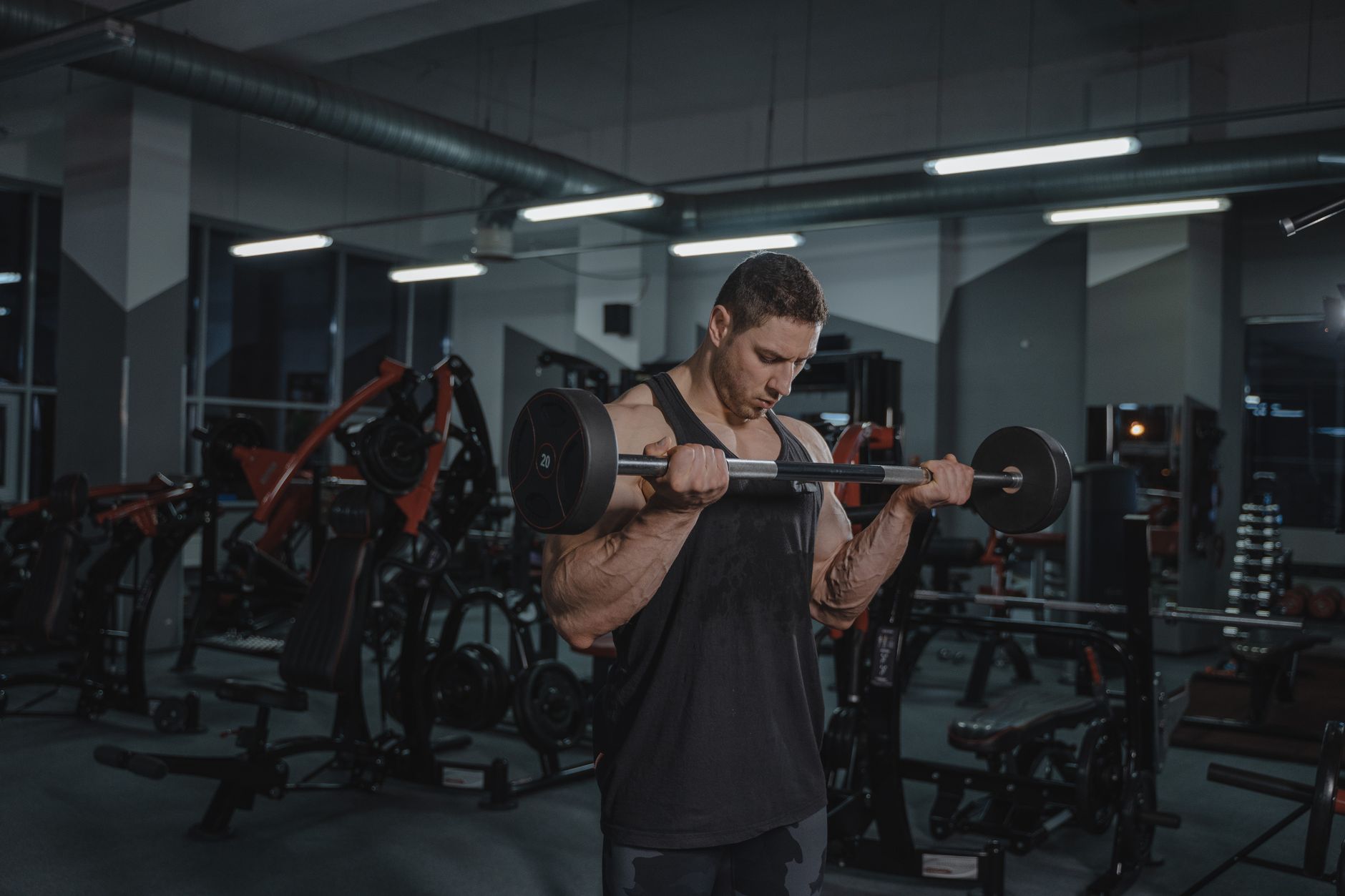
Tempo training has a reputation problem. It gets filed alongside foam rolling and breathwork - things serious lifters tolerate rather than take seriously. And when people do use it, they tend to apply it wrong: four-second eccentrics on every exercise, treating the slow pace as the goal rather than the tool.
The real function of a controlled tempo is diagnostic. When you slow a movement down - particularly the eccentric and the transition at end range - you find out exactly where you’re compensating. A squat that looks clean at normal speed will expose a forward weight shift, a collapsing knee, or a stalled hips-up drive when you take five seconds to get to depth. The slow speed doesn’t create the problem. It just stops you from moving fast enough to hide it.
The Part Most People Skip
The most underused portion of a tempo prescription is the pause at end range - what’s typically written as the third number in a four-digit tempo code (e.g., 4-1-1-0). That one-second hold at the bottom of a Romanian deadlift, a split squat, or a chest-supported row is where passive structure stops helping you and active muscle tension has to take over. Most lifters bounce, hinge, or reset through that position rather than own it.
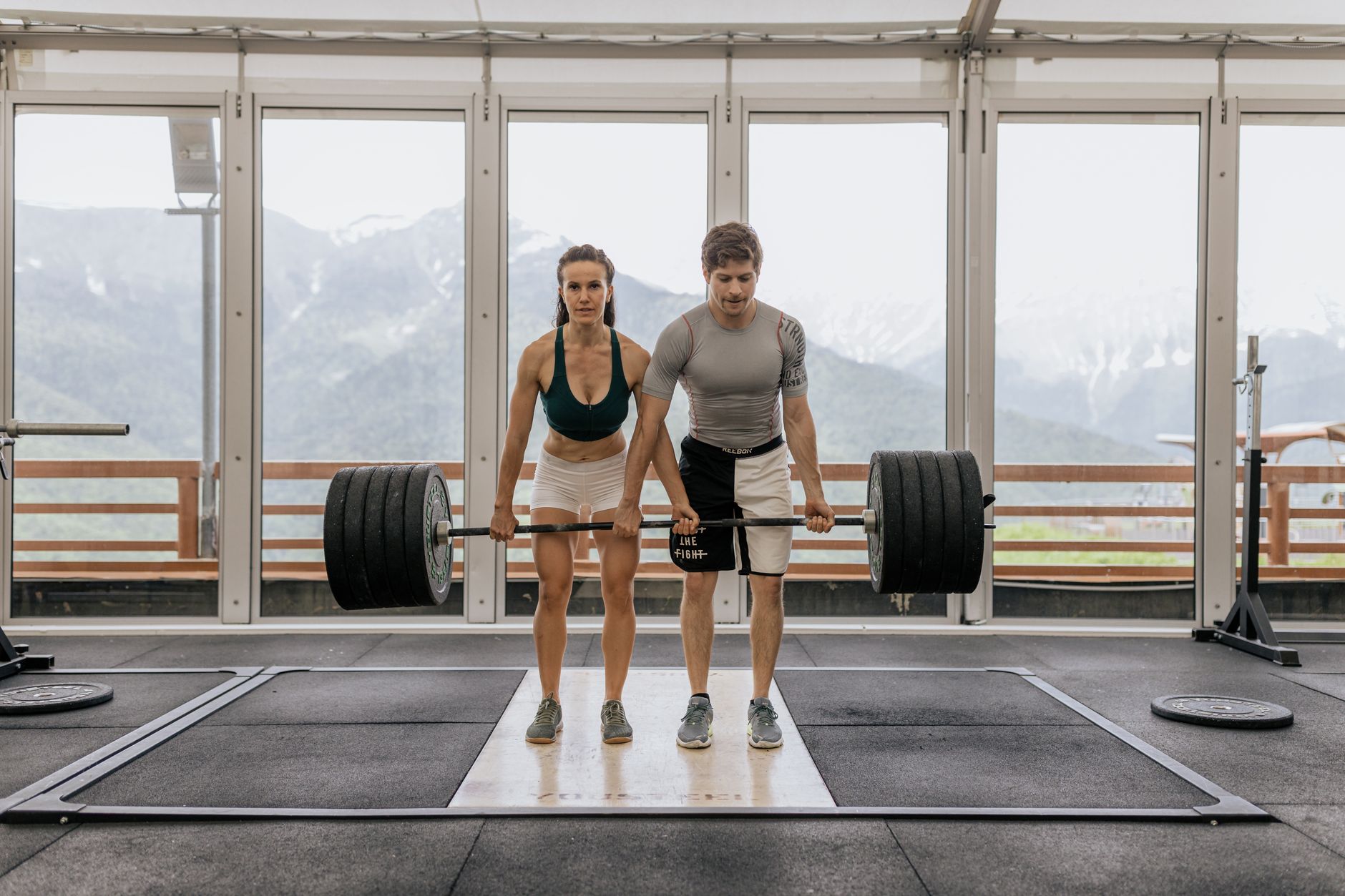
Training that pause specifically builds the kind of stability that carries over to heavier loading. It’s not about building more muscle through time under tension - that’s a secondary effect at best. It’s about forcing the muscles to work at the position where you’re most mechanically vulnerable.
Where It’s Actually Worth Using
Tempo prescriptions are not useful everywhere. On a deadlift, a controlled eccentric has limited carryover because the concentric starts from a dead stop anyway. On a bench press with significant fatigue, a four-second lower increases injury risk without proportional benefit.
The exercises where tempo earns its place are the ones with a long muscle length at the bottom: Bulgarian split squats, Nordic curls, incline dumbbell curls, chest-supported rows, and Romanian deadlifts. These movements already demand the most from the muscle in its most lengthened position. Slowing them down compounds that demand in a way that meaningfully changes what the movement trains.
Using tempo as a discipline tool - to feel like you’re working harder - misses the point. Using it to find the position you’re avoiding is where the actual training happens.