
Skipping rest because it feels like giving up is one of the most persistent mistakes in recreational fitness. The discomfort isn’t weakness - it’s the actual stimulus your body is now adapting to. The rest day is when that adaptation happens.
The Adaptation Window Is Not in the Gym
Muscle protein synthesis - the process by which your body builds new muscle tissue - peaks in the hours after training, not during it. The mechanical stress of lifting damages muscle fibers at a microscopic level, and the rebuilding process requires time, nutrients, and the absence of additional damage. That process takes roughly 24–72 hours depending on training volume, intensity, and muscle group. If you train the same tissue again before that window closes, you’re interrupting repair, not compounding progress.
This isn’t opinion. It’s well-established exercise physiology. What people get wrong is conflating frequency with productivity.
Why High-Frequency Training Confuses People
Elite athletes often train twice a day, which leads recreational lifters to assume more is always better. What that misses: periodized high-frequency programs are designed with careful load management. An Olympic weightlifter hitting the platform six days a week is rotating emphasis, managing intensity, and sleeping eight to nine hours. That structure is the point - not the volume alone.
For most people training three to five days a week, full rest days aren’t optional padding. They’re load management by another name.
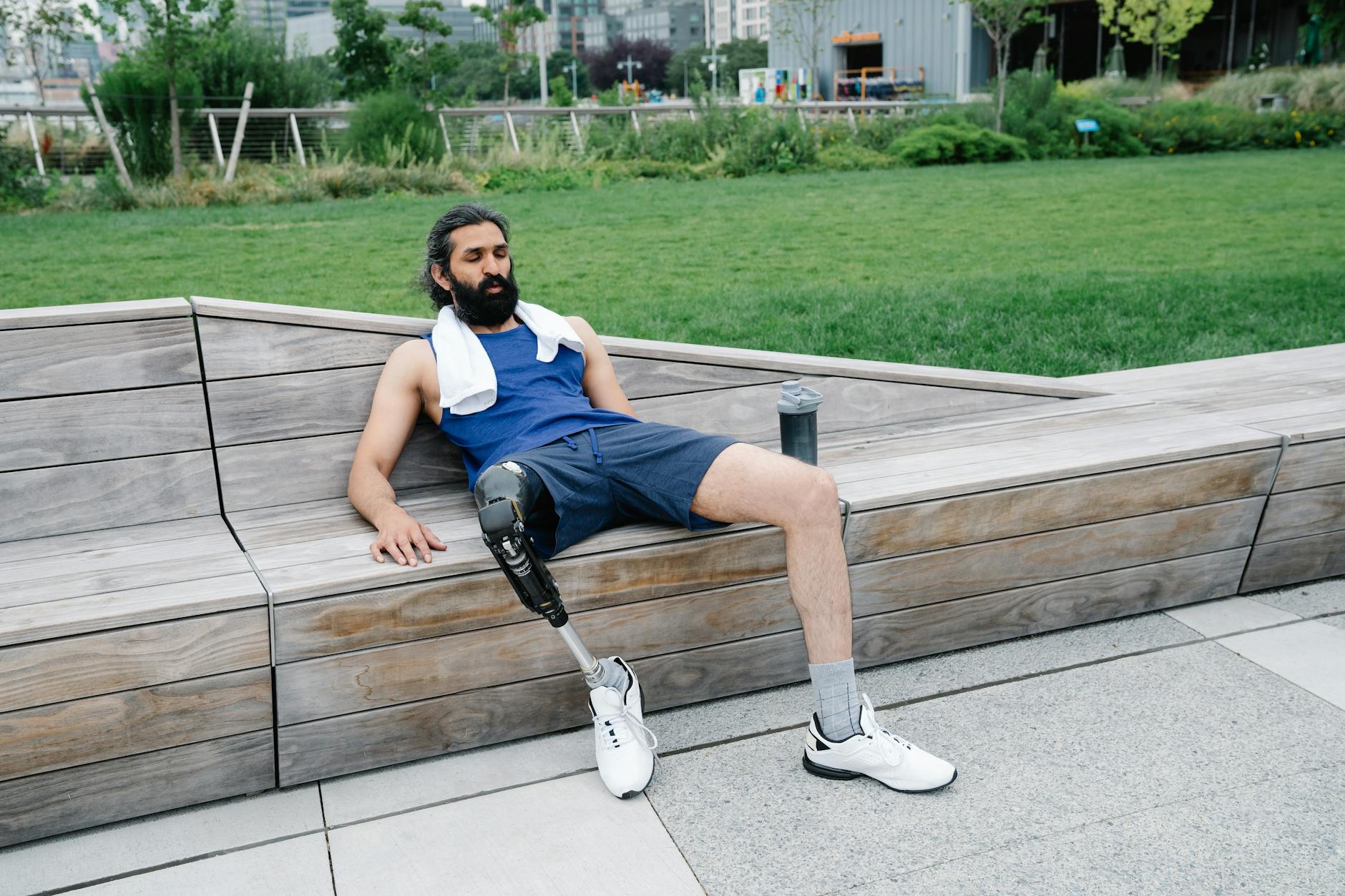
What to Actually Do on Rest Days
Light walking is fine and often helpful for circulation and recovery, but it’s not a requirement. Stretching doesn’t meaningfully accelerate muscle repair. Sleep, on the other hand, does - growth hormone release is heavily concentrated during slow-wave sleep, which is when a significant portion of tissue repair occurs.
Eating adequately on rest days matters more than most people realize. Dropping calories sharply on non-training days can blunt recovery, particularly protein synthesis. Protein needs don’t disappear because you’re not lifting.
The Mindset Problem
The real issue is that rest feels passive, and a lot of fitness culture is built around activity as virtue. That framing is backwards. A rest day taken at the right time produces more strength and more muscle than grinding through fatigue - not as a reward, but as a mechanical consequence of how adaptation works.
The training happened. The rest day is where it becomes real.