The anabolic window isn’t a myth, but it’s been used to sell a lot of protein powder to people who haven’t sorted out the basics yet. If your total daily protein is low, scrambling to drink a shake within 30 minutes of your last set is rearranging deck chairs.
The research on protein timing is real but narrow in its implications. Studies do show that consuming protein close to training - either before or after - can support muscle protein synthesis. What those studies generally assume, though, is that total intake is already adequate. That qualifier gets dropped when the findings get translated into fitness content.
Where Total Intake Actually Sits for Most People
Most recreational lifters eating three meals a day without tracking land somewhere between 80–130g of protein depending on body size, food preferences, and how often they eat out. That range is fine for general health. It’s not fine for someone training four times a week and expecting meaningful muscle retention or growth. The commonly cited target - around 1.6–2.2g per kg of bodyweight - exists because the evidence for it is fairly consistent across multiple meta-analyses, including work published in the British Journal of Sports Medicine. That’s not a marketing figure.
Get total intake right first. Timing becomes a secondary variable once that’s in order.

When Timing Actually Does Something
There are two scenarios where it earns its attention. The first is training fasted or semi-fasted - if you lift at 6am after nothing but coffee, getting protein in soon after matters more than it would after a normal fed session. The second is frequency of distribution across the day. Eating 160g of protein in two meals is meaningfully less effective than spreading it across three or four. Muscle protein synthesis is more sensitive to the per-meal dose and frequency than to the exact post-workout window. A meal containing roughly 40g of protein, eaten every 3–5 hours, is a more useful frame than watching the clock after training.
The Habit That Replaces the Obsession
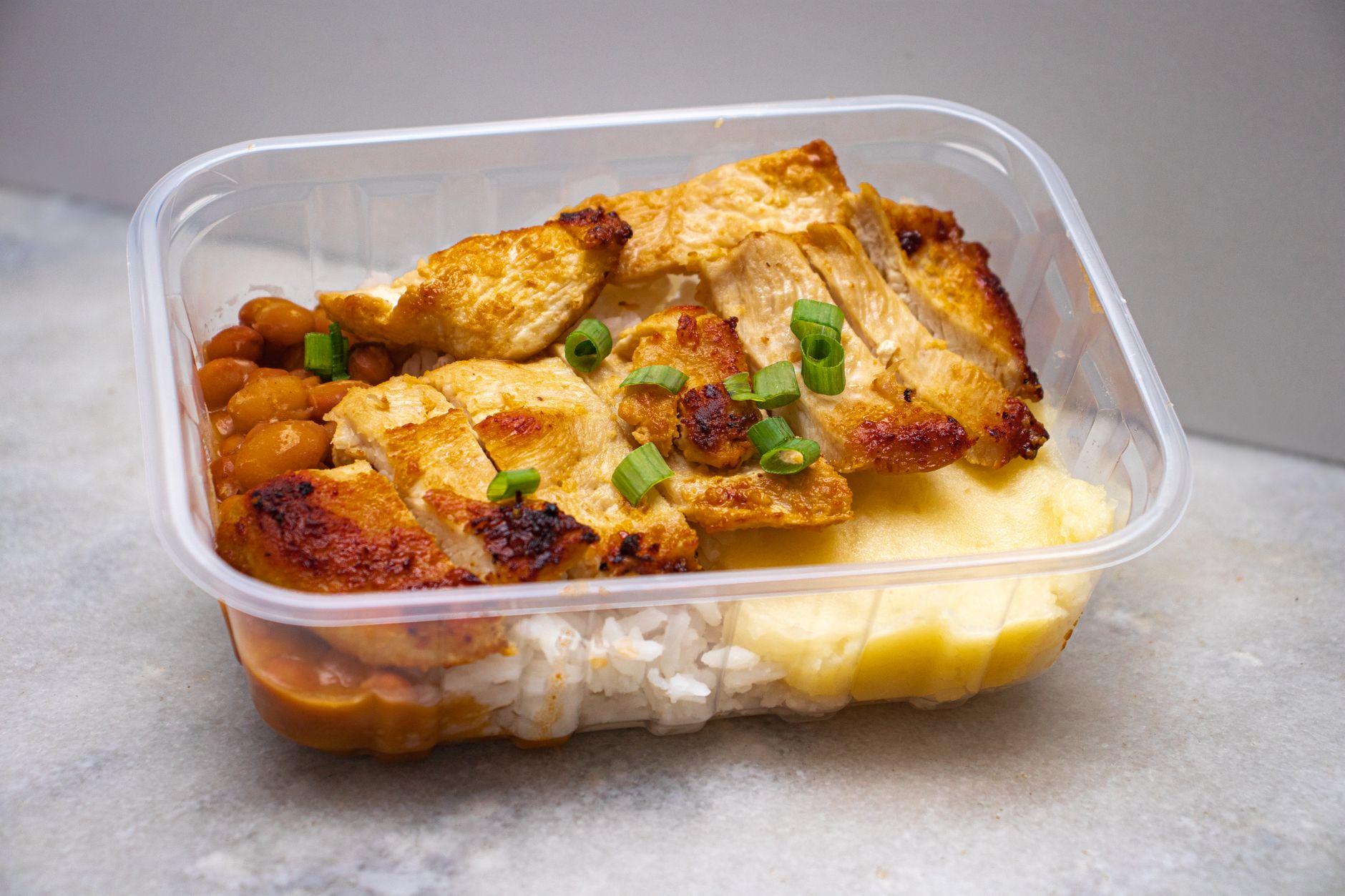
Rather than timing supplements around sessions, the more practical intervention is anchoring a protein-containing meal to the training session itself - either as a pre-workout meal two hours before, or a proper post-workout meal within 60–90 minutes after. That covers the timing question and the total intake question at the same time, without requiring protein powder or a stopwatch.
If your diet already has that structure, you probably don’t need to think about this at all.