
The fitness industry spent roughly a decade convincing people that eating protein within 30 minutes of training was the difference between results and wasted effort. Then the research caught up, and the narrative flipped entirely - now the prevailing take is that timing is irrelevant and only total daily intake matters. Both positions are too clean.
The truth is that timing has diminishing returns, not zero returns. If you’re hitting your total protein target - somewhere around 1.6 to 2.2 grams per kilogram of bodyweight is the range most sports nutrition research points to - then agonising over whether your shake comes 25 minutes or 90 minutes post-workout is a distraction. The effect size is small enough that it disappears inside normal day-to-day variation.
But there’s a different timing question that actually matters: distribution across meals.
The Problem With Front-Loading or Back-Loading
Most people unconsciously eat the majority of their protein at dinner. Breakfast is light - maybe eggs, maybe nothing - lunch is moderate, and then the evening meal does most of the heavy lifting. This creates long stretches during the day where muscle protein synthesis has no substrate to work with, even if the day’s total looks fine on paper.
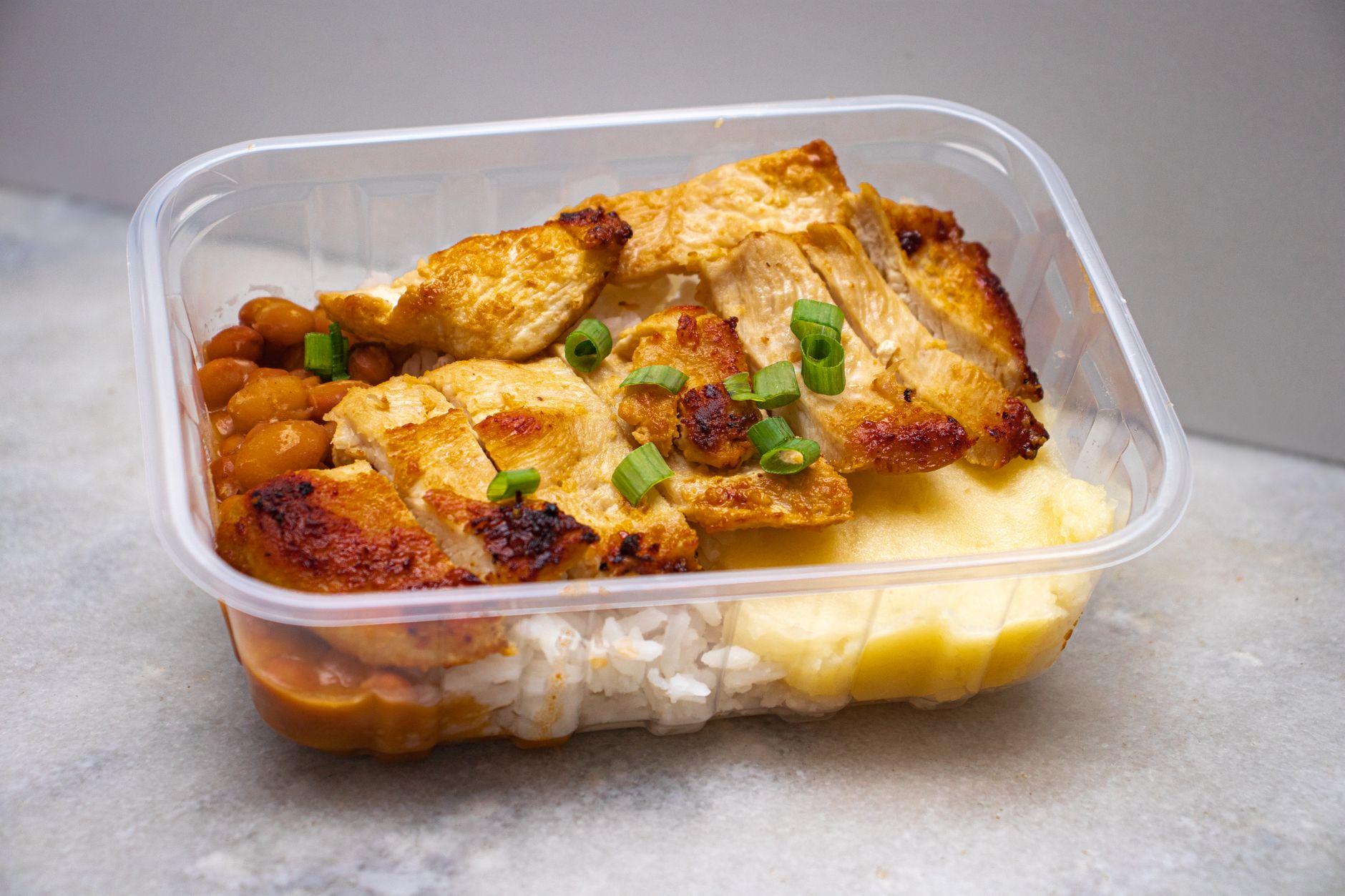
Research from Stuart Phillips’ lab at McMaster University has consistently shown that spreading protein relatively evenly across three or four meals produces better muscle protein synthesis responses than the same total consumed unevenly. The threshold for a meaningful response per meal appears to be somewhere around 20–40 grams depending on body size, training status, and protein source - though the upper end of that range matters more for older adults, where the leucine trigger for synthesis becomes less sensitive.
Practically, this means the useful intervention isn’t timing your post-workout shake to the minute. It’s making sure your first meal of the day actually has protein in it, and that you’re not coasting on 15 grams at lunch before slamming 60 grams at dinner.
What to Actually Adjust
Audit distribution before you audit timing. If your three main meals contain roughly 30–40 grams each, you’ve covered the ground that matters. From there, whether that pre-bed casein shake or the post-training whey is worth adding depends on your total - not on some mythologised window.
The obsession with timing is partly a way of avoiding the harder, less exciting work: consistently hitting a number that most people, on most days, fall short of.