
Most people who ask about protein timing - before or after training, spread across meals or front-loaded - are skipping a more uncomfortable question: are they actually hitting their protein target at all?
The short answer is probably not. Dietary recall studies consistently show that people underestimate their food intake, and protein is no exception. Someone eating 140g of protein per day who thinks they’re eating 175g is not going to benefit from shifting their post-workout shake to a 30-minute window. The deficit is the problem, not the distribution.
What the Evidence Actually Says About Timing
The idea that there’s a narrow anabolic window after training - where you must consume protein or miss out on muscle growth - has weakened considerably as research has accumulated. A 2013 meta-analysis by Brad Schoenfeld and Alan Aragon (published in the Journal of the International Society of Sports Nutrition) found that the total daily protein intake was a far stronger predictor of hypertrophy than timing relative to training. The window, if it exists meaningfully at all, is hours wide, not thirty minutes.
Where timing does have a defensible effect is at the extremes. Training fasted for extended periods and then going several more hours without eating anything is probably suboptimal. But this is a fairly specific scenario, not the situation most recreational lifters are actually in.
The Meal Distribution Problem Is Real, But Different
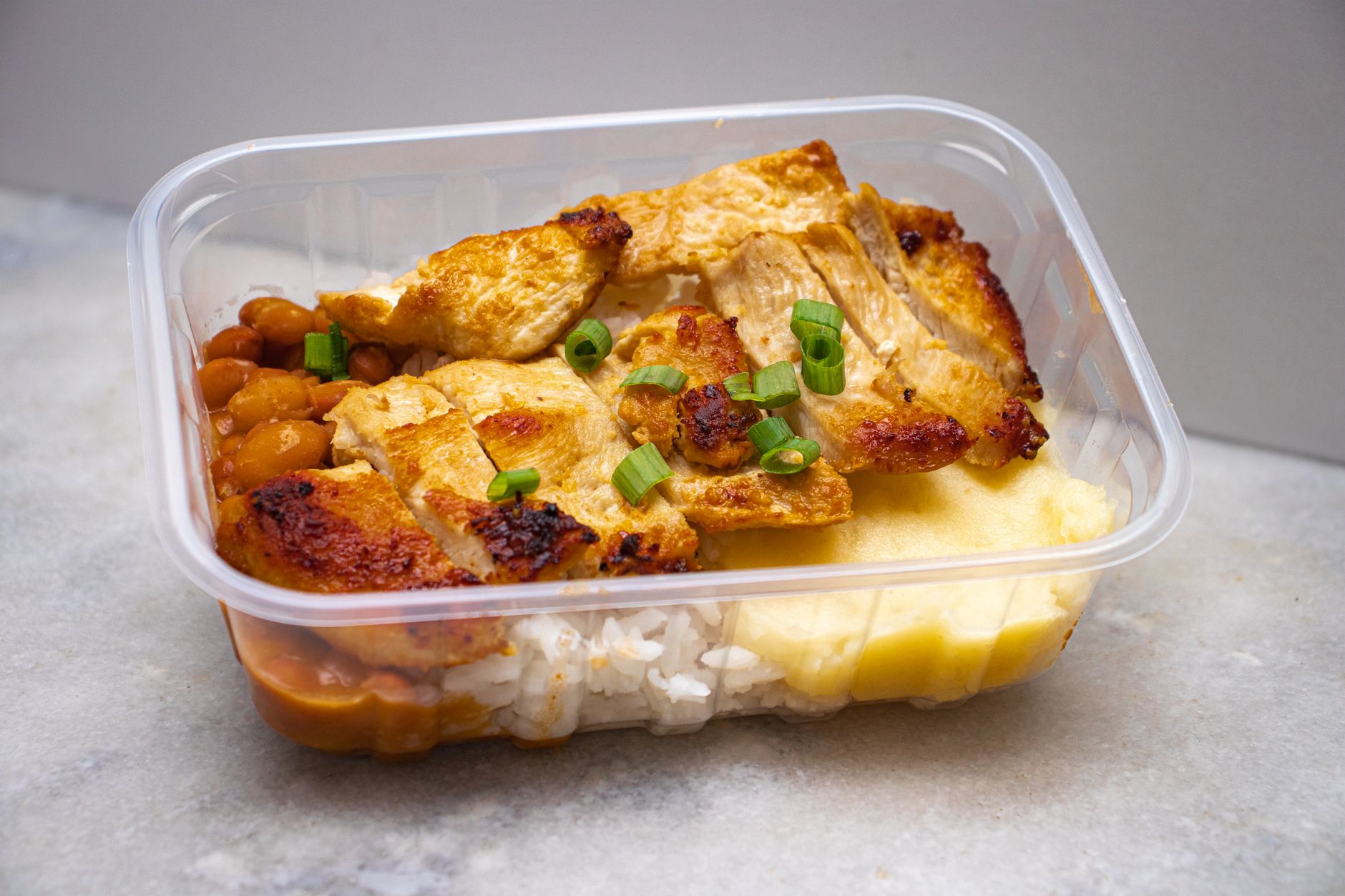
There is one area where protein distribution genuinely matters: spreading intake across meals rather than concentrating most of it in one sitting. Muscle protein synthesis appears to have a ceiling per meal - somewhere around 40g of high-quality protein - after which additional intake in that sitting doesn’t produce proportional benefit. Eating 180g of protein at dinner and almost nothing earlier is a worse strategy than splitting it across three or four meals.
This isn’t timing relative to training. It’s basic distribution across the day.
Where to Actually Put Your Attention
If you’re eating less than 1.6g of protein per kilogram of bodyweight - which is the lower bound suggested by most current sports nutrition research - that is the variable to fix. Not meal timing, not protein source hierarchy, not leucine thresholds.
Track your actual intake for a week. Not estimated, not approximated. Weighed and logged. Most people discover a gap they didn’t expect. Close that gap first, and the timing conversation becomes almost irrelevant.