Most of the conversation around protein timing is a distraction from something more basic: whether you’re eating enough protein across the day at all. Spreading intake across meals matters somewhat, but the idea that you need to hit a 30-minute anabolic window post-workout has been walked back significantly by the research community. The window is real - it’s just wider than the supplement industry wants you to believe, closer to several hours than several minutes.
That said, there is one timing gap worth taking seriously, and most people ignore it entirely.
The Overnight Fast Is Where You’re Losing Ground
If your last meal is at 7pm and you don’t eat until 9am, you’ve gone 14 hours without dietary amino acids. Muscle protein synthesis doesn’t pause politely while you sleep - it continues, drawing on available amino acids, and if none are coming in, it increasingly pulls from muscle tissue. This is not catastrophic over a single night, but it compounds. People who eat well during the day and skip breakfast, or eat a low-protein breakfast (toast, fruit, coffee), are effectively spending the first third of every day in a net catabolic state.

This matters more as you get older. After roughly age 40, the muscle protein synthesis response to a given dose of protein appears to blunt slightly, which makes consistent stimulation across the day - including earlier in the morning - more relevant, not less.
What a Higher-Protein Breakfast Actually Does
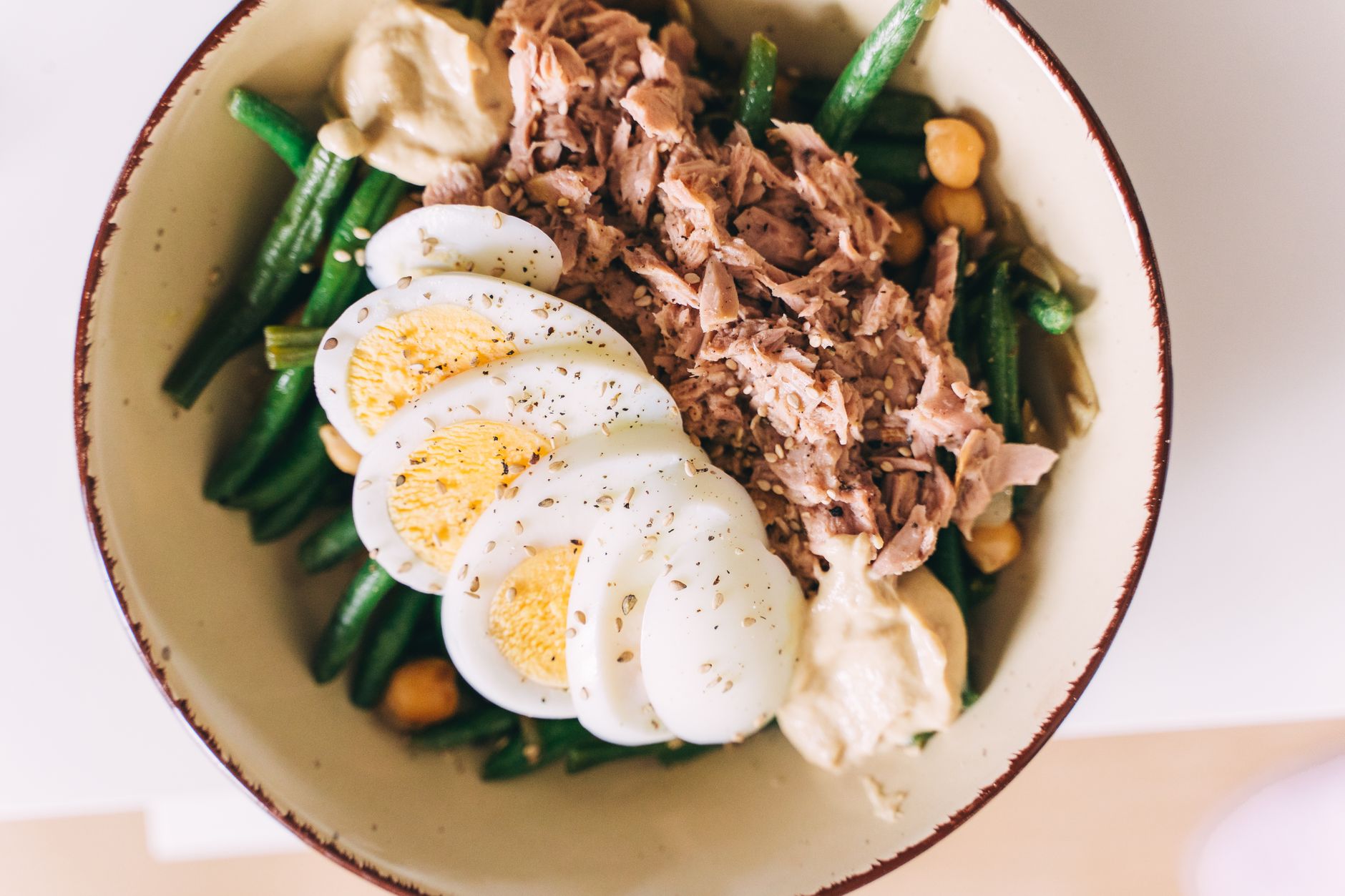
It isn’t magic. It just shifts your first amino acid delivery earlier, which means you’re not playing catch-up through the afternoon and evening. Research on leucine - the amino acid most directly involved in triggering muscle protein synthesis - suggests a threshold dose somewhere around 2–3g per meal is needed to stimulate a meaningful response. That’s roughly 25–40g of complete protein depending on the source. Greek yogurt, eggs with cottage cheese, a protein shake alongside food - these get you there.
The practical point is narrow: don’t eat 10g of protein at breakfast and 80g at dinner and expect the distribution to not matter at all. It matters less than total intake, but the overnight gap is the one place where timing intersects with a genuine physiological limitation rather than just marketing.
Fix the breakfast. Keep the total high. The rest of the timing debate can stay where it belongs - in supplement ads.