
Most people chasing better body composition are losing 10–20 grams of protein a day to poor distribution across meals, not to missing a 30-minute anabolic window after training. The post-workout shake culture has been useful for supplement marketing and not much else.
The research on protein timing is real but consistently overstated. Yes, muscle protein synthesis is elevated after training. Yes, protein consumed in that window contributes to recovery. But the effect size is small compared to the effect of simply hitting your daily target. Studies examining total daily protein intake repeatedly show that it predicts lean mass retention and muscle gain better than timing does - and most people in the gym are still not hitting that target consistently, regardless of how carefully they time their shakes.
The distribution problem nobody talks about
If timing matters less than total, distribution matters more than most people realise. The typical eating pattern - a small breakfast, a moderate lunch, a very large dinner - front-loads the least protein into the hours when most people are most active and back-loads most of it into a single evening meal when absorption capacity starts to have diminishing returns.
A rough ceiling of around 40 grams of protein being meaningfully used for muscle protein synthesis in a single sitting is often cited in sports nutrition research, though the exact number varies by body size and protein source. The implication is practical: eating 120 grams across two meals leaves a lot of potential on the table compared to eating it across four.
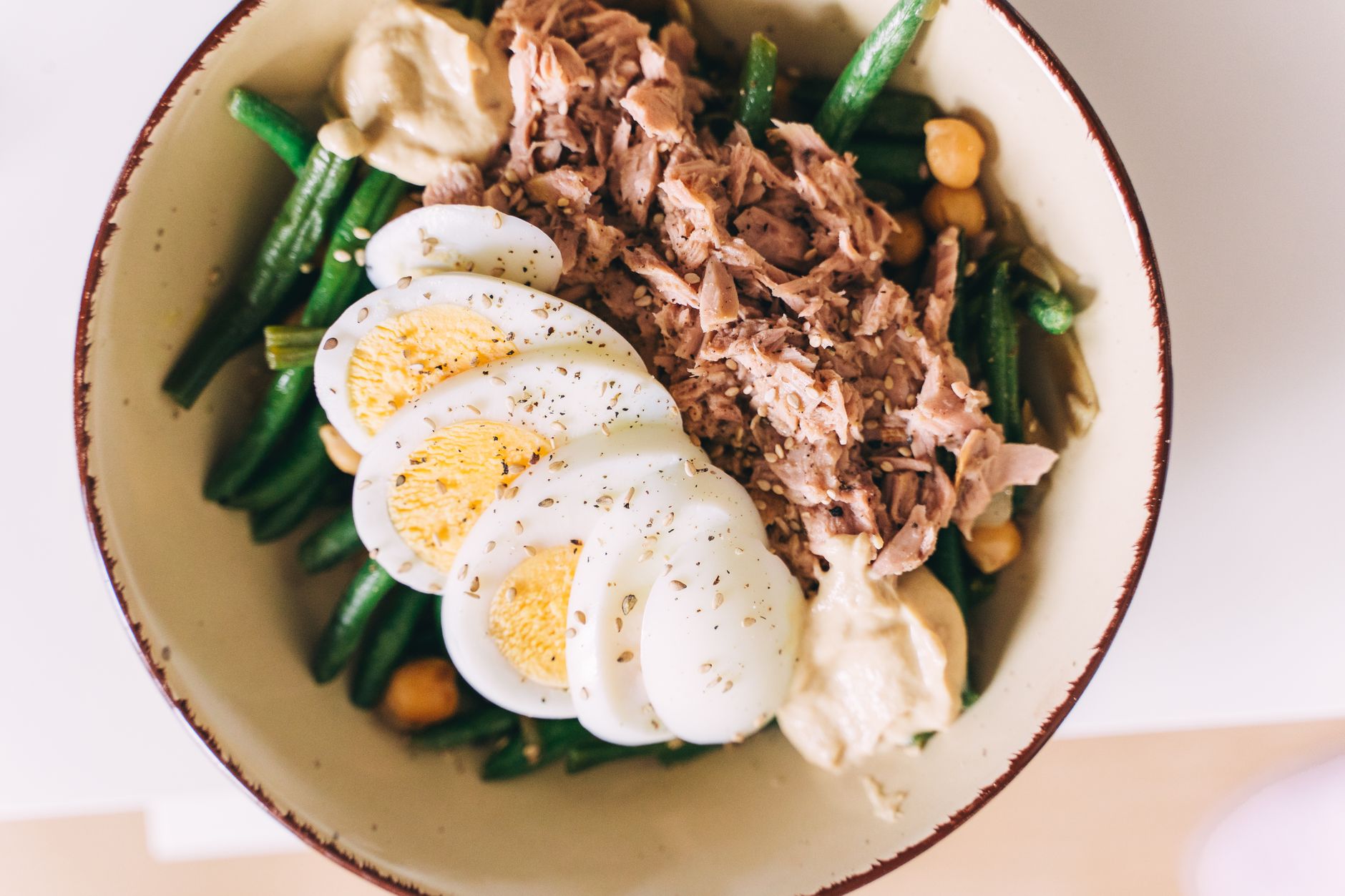
This is not about eating every two hours or carrying tupperware everywhere. It is about recognising that breakfast being 15 grams of protein is a problem worth fixing before you spend money on leucine supplements.
The number to actually track
For most people doing structured training, 1.6 to 2.2 grams of protein per kilogram of bodyweight per day covers the range supported by current evidence. The upper end of that range matters more during a calorie deficit, when the body is at higher risk of using muscle protein for fuel.
That is the number to protect. Not the post-workout window. Not the protein source hierarchy. Not whether your shake has whey versus casein.
Get the total right, spread it reasonably across the day, and most of the timing conversation becomes irrelevant noise.