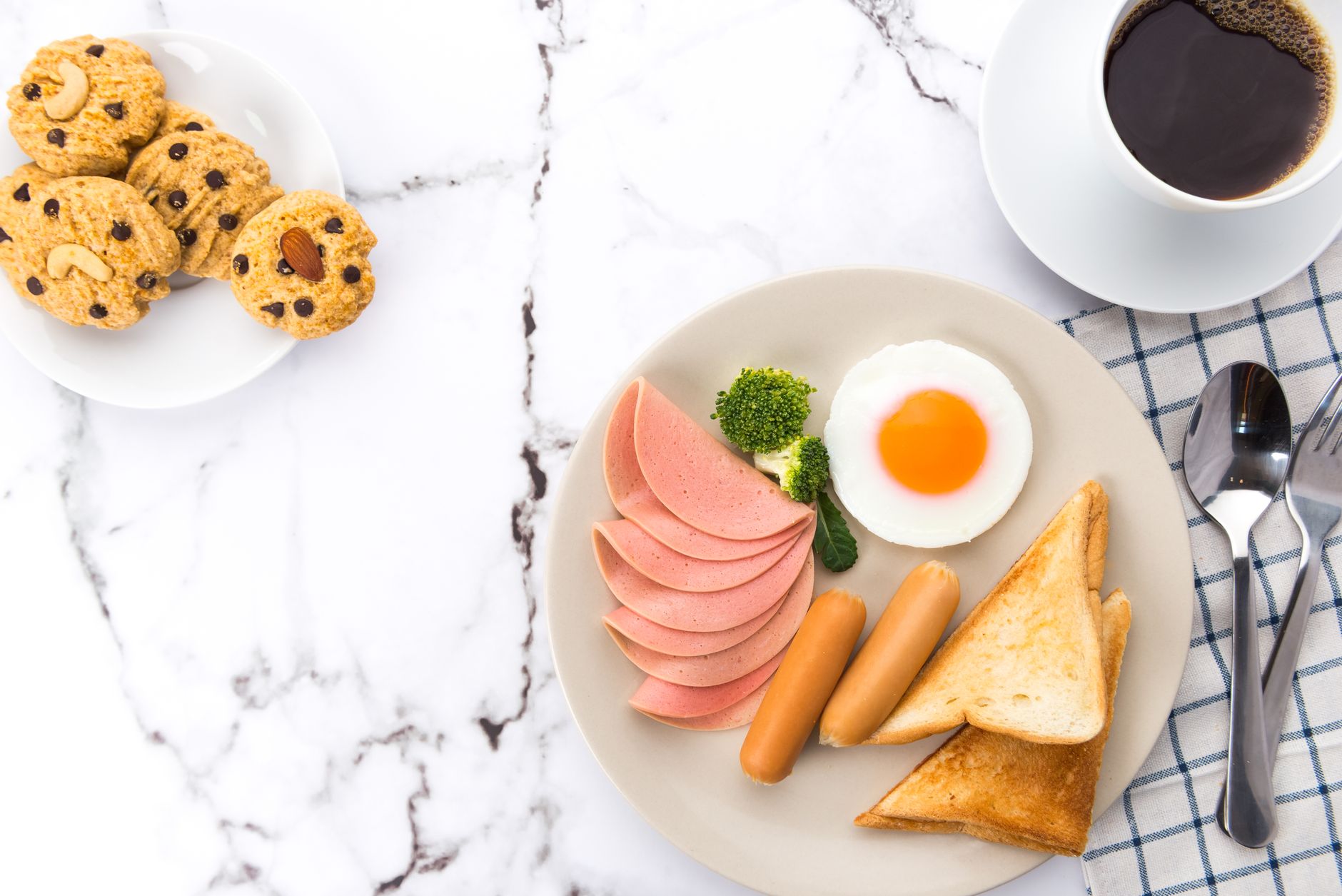
The research on protein timing has been fairly consistent for a while now: if your total daily protein intake is adequate, when you eat it matters far less than the fitness industry would have you believe. The post-workout anabolic window isn’t 30 minutes wide. Muscle protein synthesis stays elevated for hours after training. For most people eating two or three meals a day, the timing question is a distraction from the more important number.
That number, for most people aiming to retain or build muscle, sits somewhere between 1.6 and 2.2 grams per kilogram of bodyweight. That range comes from meta-analyses of resistance training studies - it’s not bro-science. Below 1.6g/kg and you’re likely leaving adaptation on the table. Above 2.2g/kg and the evidence for additional benefit gets thin fast.
So why bring up timing at all?
The Catch Is Distribution, Not Clock-Watching
The actual finding that gets buried in the “timing doesn’t matter” discourse is that distribution across meals does seem to matter. Specifically, spreading protein intake across three or four meals - rather than eating 15g at breakfast and 100g at dinner - appears to produce better muscle protein synthesis over a 24-hour period. This is because there’s a ceiling on how much protein a single meal can usefully stimulate MPS, somewhere in the range of 30–50g depending on the person and context, though this is still debated.
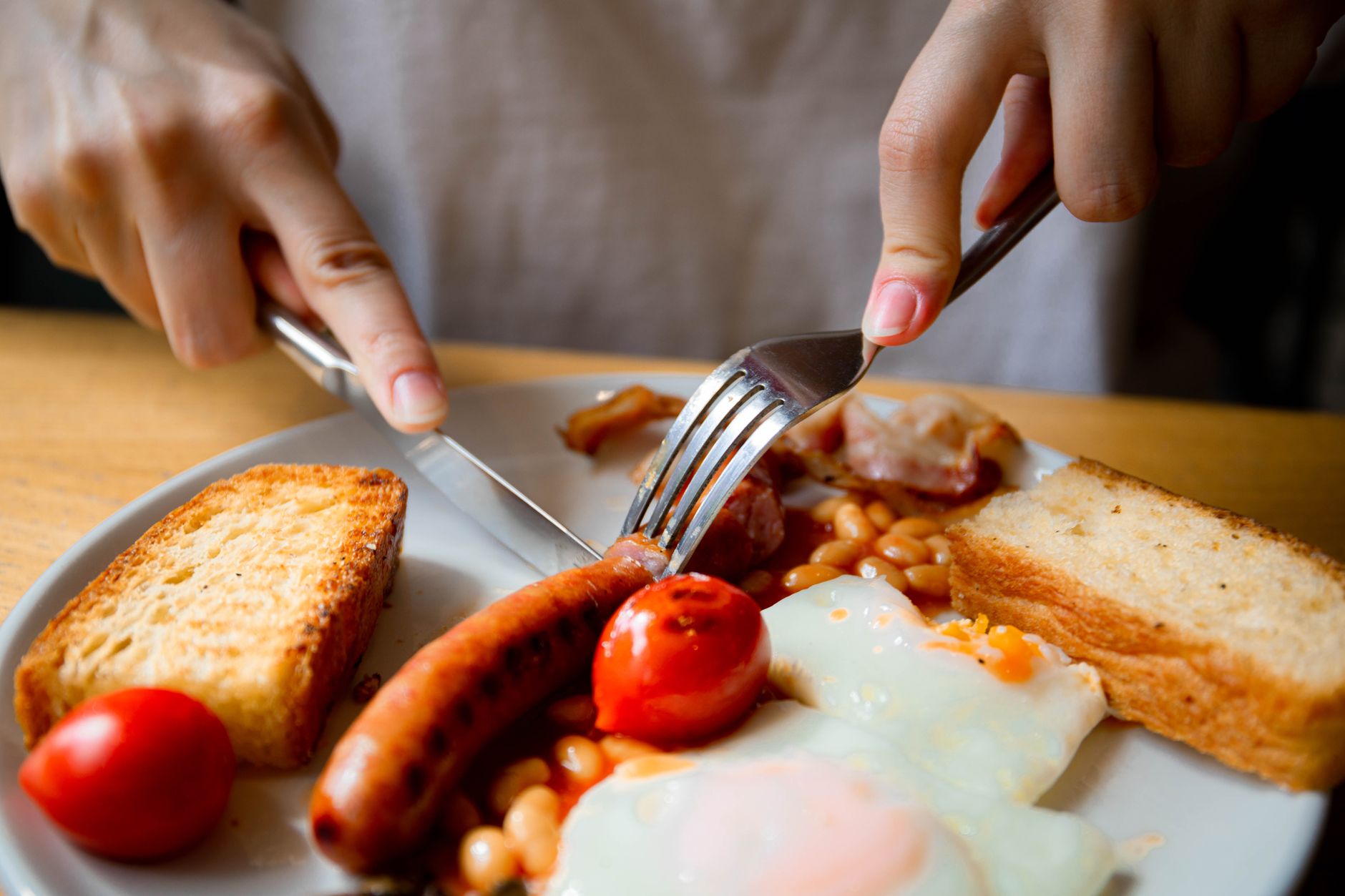
If you’re eating 160g of protein daily but 90g of it comes at one meal, you’re not necessarily getting the full benefit of that total. The signal to build muscle works better when it’s spread out, not delivered in one large dose.
This matters most for people who skip breakfast or eat very light during the day and then compensate at night. Practically speaking: aim for at least 30–40g of protein per meal across three or four meals, and timing relative to your workout becomes almost irrelevant.
What This Changes Day-to-Day
Not much, if you’re already eating regularly. But it does shift the priority. Stop thinking about whether to eat a chicken breast before or after training. Start thinking about whether your first meal of the day has enough protein to actually do something, or whether it’s mostly carbohydrates with 12g of protein as an afterthought.
Breakfast is where most people’s distribution falls apart. Fixing that is worth more than any supplement timing protocol.