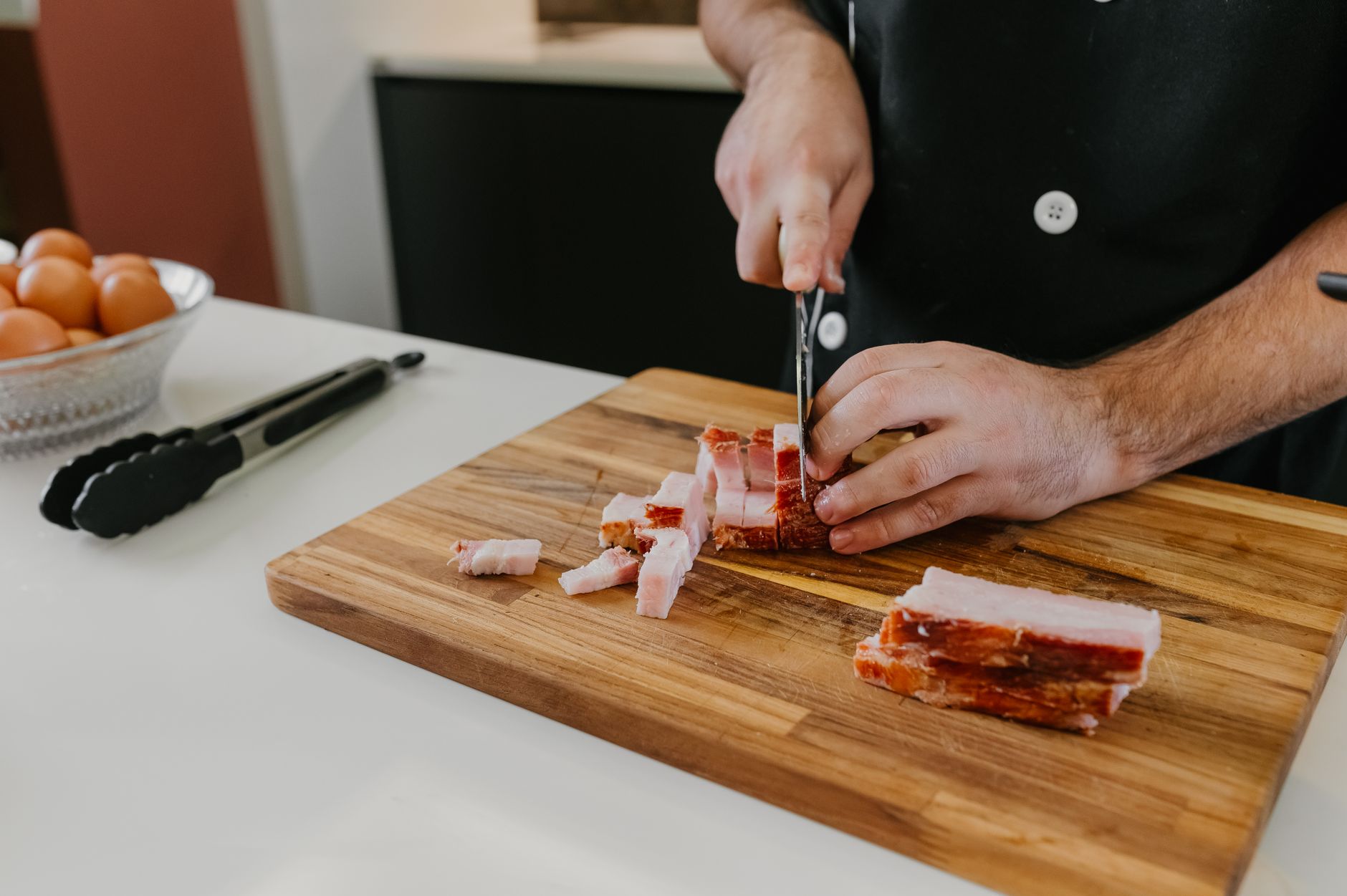
Most protein advice collapses into a single number: eat 0.7–1g per pound of bodyweight per day. That number isn’t wrong, but it’s incomplete in a way that costs people real results. The distribution of protein across meals has a measurable effect on muscle protein synthesis that the daily total completely obscures.
The mechanism isn’t complicated. Muscle protein synthesis - the process by which muscle tissue is built and repaired - is acutely stimulated by leucine, a branched-chain amino acid found in animal proteins and, to a lesser extent, plant sources like soy. Each meal needs to clear a leucine threshold to meaningfully trigger synthesis. Research published in the Journal of Nutrition has consistently shown that a dose of roughly 20–40g of high-quality protein per meal is needed to maximally stimulate this response in most adults, with older individuals trending toward the higher end due to what’s called anabolic resistance.
The practical implication: eating 15g at breakfast, 20g at lunch, and 110g at dinner - which describes the eating pattern of a lot of people who train in the evenings - probably only triggers a strong synthetic response once. You’ve technically hit your daily number. You’ve also wasted two meal opportunities.
The Typical Breakfast Problem

Breakfast is where protein distribution falls apart for most people. A bowl of oats with some almond milk lands around 5–7g. A banana and coffee is essentially zero. Even a “protein-forward” Greek yogurt parfait often comes in under 15g once you account for portion sizes. These meals are fine for other reasons, but they don’t contribute meaningfully to muscle protein synthesis - and if you train fasted in the morning, you’re delaying the post-workout window unnecessarily.
The fix isn’t complicated: eggs, cottage cheese, smoked salmon, or a protein shake alongside whole food all get breakfast into the 30–40g range without heroic effort.
Spreading Doesn’t Mean Eating More
This isn’t an argument for eating more protein overall. If your daily target is 160g, you hit that whether you eat 160g at one meal or 40g across four. The point is that the four-meal version actually uses all 160g productively, while the single-meal version may only capitalize on a fraction of it.
For people who are already tracking macros and feel stuck - same training, same calories, minimal body composition change - protein timing is usually the variable they haven’t adjusted. The number looks right on paper. The pattern doesn’t.