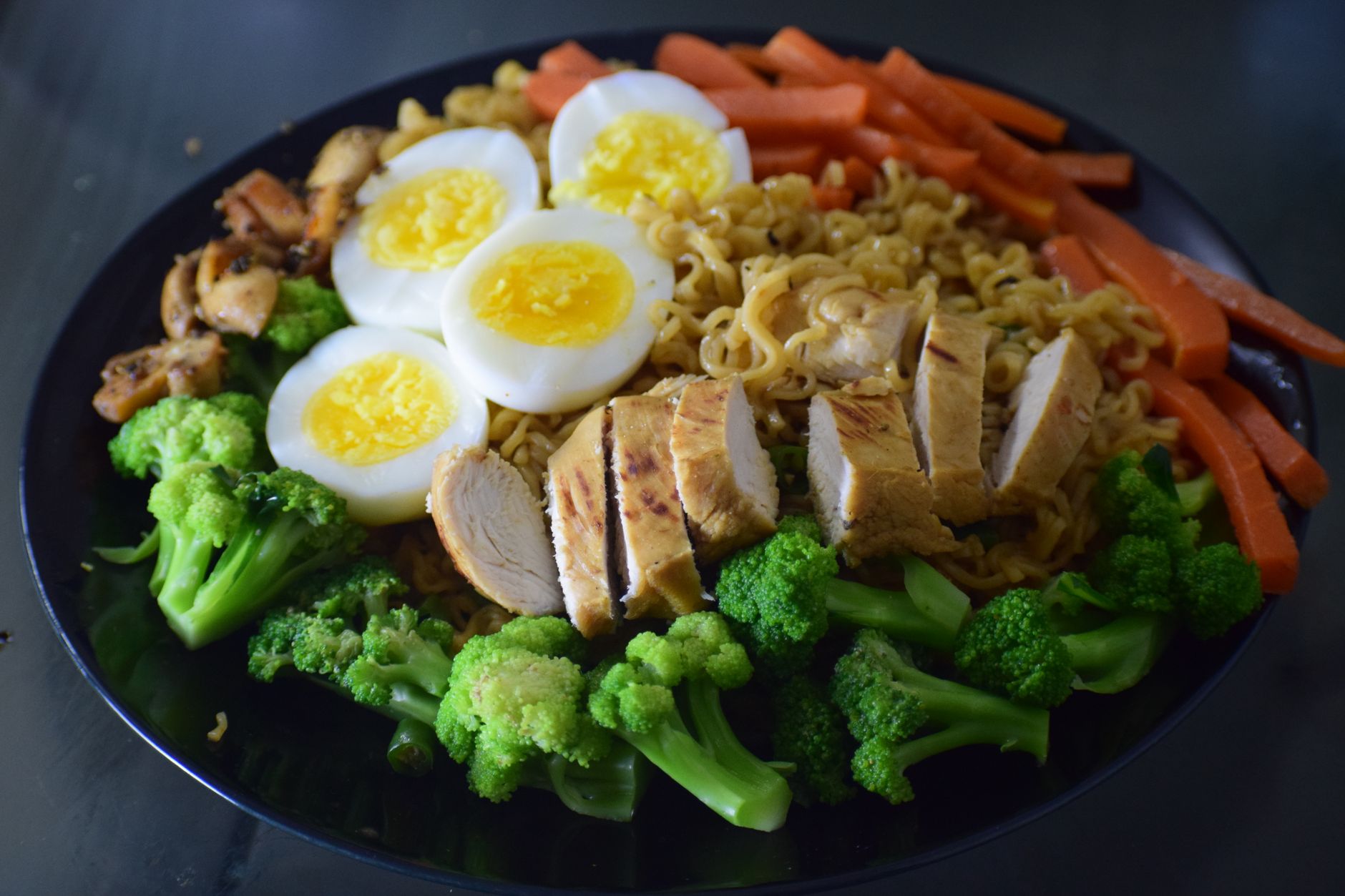
Most people treat protein as something they check on at the end of the day - a number they scramble to hit by adding a scoop of powder to their evening yoghurt. That’s backwards, and it’s why the target stays out of reach most weeks.
The fix isn’t more willpower or a better app. It’s sequencing: decide protein first, build the rest of the meal around it.
Why the Order Matters
Protein is the most satiating macronutrient gram-for-gram, and it has the highest thermic effect of food - your body burns more energy digesting it than it does processing carbohydrates or fat. These aren’t controversial points; they’re well-established in nutritional research. What’s less discussed is how those properties only work in your favour if protein is present in meaningful amounts at each meal, not concentrated into one sitting.
The body can synthesise muscle protein effectively from a single meal, but appetite regulation across the day responds to protein distribution. A breakfast built around eggs, Greek yoghurt, or cottage cheese tends to reduce overall energy intake later - not because of magic, but because fullness signals compound over the course of the day.

What Protein First Actually Looks Like
It’s not complicated. Before you plan any meal, pick the protein source. Chicken thighs, tinned sardines, tempeh, eggs, white fish - whatever is accessible and fits the meal. Then build around it: a carbohydrate source that fits the context (rice before training, less starchy vegetables in the evening if you’re sedentary), and fat that comes mostly from cooking method or the protein itself.
This isn’t macronutrient orthodoxy. It’s just a planning order that stops protein from being an afterthought.
One practical detail: most people underestimate how much volume they need to hit 30–40g of protein per meal. A single chicken breast is roughly 25–30g. Two eggs are about 12g. You often need to combine sources, or the portions need to be larger than they look in food photography.
The Part Most Articles Skip
Tracking apps are useful, but they reward logging over thinking. Plenty of people hit their macros on paper while still building meals that don’t actually keep them full or support training.
The question worth sitting with is whether your meals are structured or just assembled - because there’s a difference, and it shows up in whether you’re still hungry at 9pm regardless of what the numbers say.