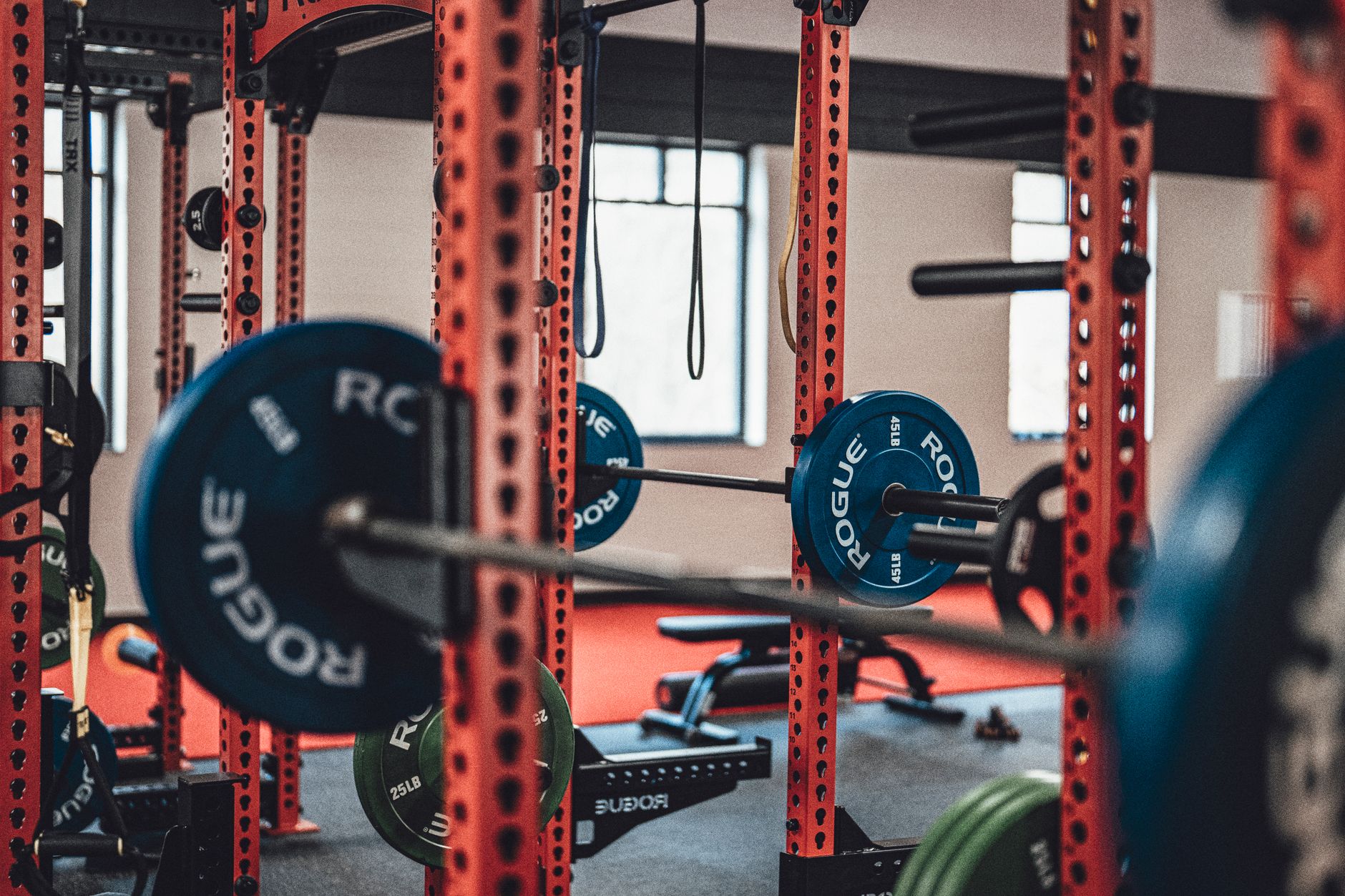
Progressive overload gets taught as a single thing: add weight to the bar, get stronger. It’s not wrong, but it’s narrow enough to cause problems. Most people who’ve been training for more than a year have hit the wall where linear weight progression stops working, and they’re left either forcing bad reps or quietly cycling through the same weights for months.
The underlying principle isn’t “lift heavier.” It’s give the body a slightly harder stimulus than last time. Weight is one variable. It’s not the only one.
What Actually Counts as Progression
Adding a rep at the same weight is progression. Doing the same reps with 30 seconds less rest is progression. Cleaning up your range of motion on a squat so you’re actually hitting depth - that’s progression, because the muscle is working through a longer arc under load. Slowing down the eccentric phase of a lift from two seconds to four seconds is progression; the muscle is under tension longer.
None of these show up on a PR board. All of them drive adaptation.
This matters practically because tracking only weight creates a bias toward loading joints that aren’t ready, ego-lifting through incomplete ranges, and skipping the control work that makes heavier training sustainable later.
Why the Weight-Only Model Breaks Down
Linear weight progression works well for beginners because almost any stimulus is novel. After roughly six to twelve months of consistent training, the nervous system has adapted enough that the same simple overload signal stops driving change at the same rate. The sessions feel hard; progress stalls anyway.
At that point, most people either add volume (more sets, more days) or conclude their program is broken and switch to a new one. Both responses miss that the progression model itself needs to expand, not just the volume or the template.
The Practical Fix
Log more than weight and reps. Note rest periods. Note whether you hit full range. Note whether the set felt controlled or grinding. When weight hasn’t moved in three weeks, look at those other variables first - there’s often a rep quality or rest-period regression hiding underneath the apparent plateau.
Progressive overload is real and it works. It just has more levers than most training logs account for.