
Soreness feels like feedback. It arrives the next morning, sometimes the morning after that, and it carries this implicit message: you did something. You pushed. The session counted. Except that’s not what soreness is telling you.
Delayed onset muscle soreness - the ache that peaks around 24–72 hours after training - is a response to mechanical stress and the microtrauma that comes with it. It appears more intensely after novel movements, unfamiliar rep ranges, or sessions with a heavy eccentric component. Which means a completely new trainee doing bodyweight squats will be more sore than an experienced lifter doing heavy Romanian deadlifts, even though the stimulus quality is nowhere near comparable.
Soreness is sensitive to novelty, not effort. It is not a signal of hypertrophy, not a measure of intensity, and not a reliable indicator that you trained the right muscles hard enough to produce adaptation.
Why This Actually Matters
When soreness becomes the benchmark, people start making decisions around it. They skip a session because they’re not sore and assume their body hasn’t recovered. Or they add volume, change exercises constantly, or deliberately seek out movements that hurt more the next day - all in pursuit of that ache that feels like progress.
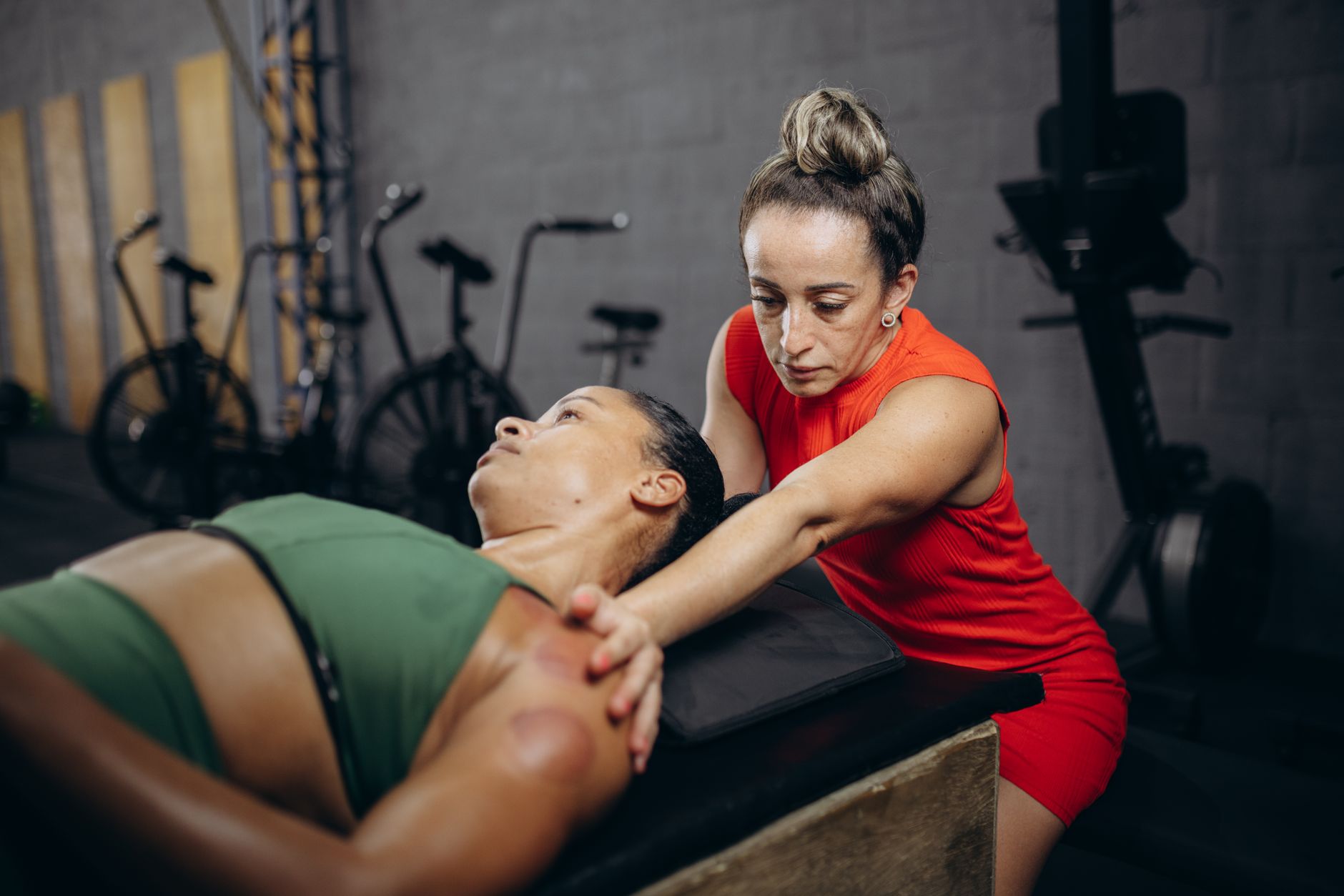
The outcome is usually erratic programming. Consistent overuse of novel stimuli means the body never gets efficient at anything. You stay perpetually sore and perpetually undertrained in the things that actually matter for long-term development: progressive overload, movement pattern quality, and accumulated work capacity over time.
What Experienced Lifters Know
After a few years of consistent training, significant soreness becomes infrequent. The body adapts. A well-trained lifter can run a productive hypertrophy block for eight weeks and feel almost nothing two days later. That’s not a problem - that’s adaptation doing its job.
If the absence of soreness triggers doubt about whether a session was worth doing, that’s a calibration issue worth fixing. The productive question after a session isn’t am I sore? It’s whether the target muscles were loaded with sufficient tension, whether effort was genuinely high in the working sets, and whether the movement quality held up under fatigue.
Those are things you can assess in the session itself. You don’t need to wait and see how you feel the next morning.