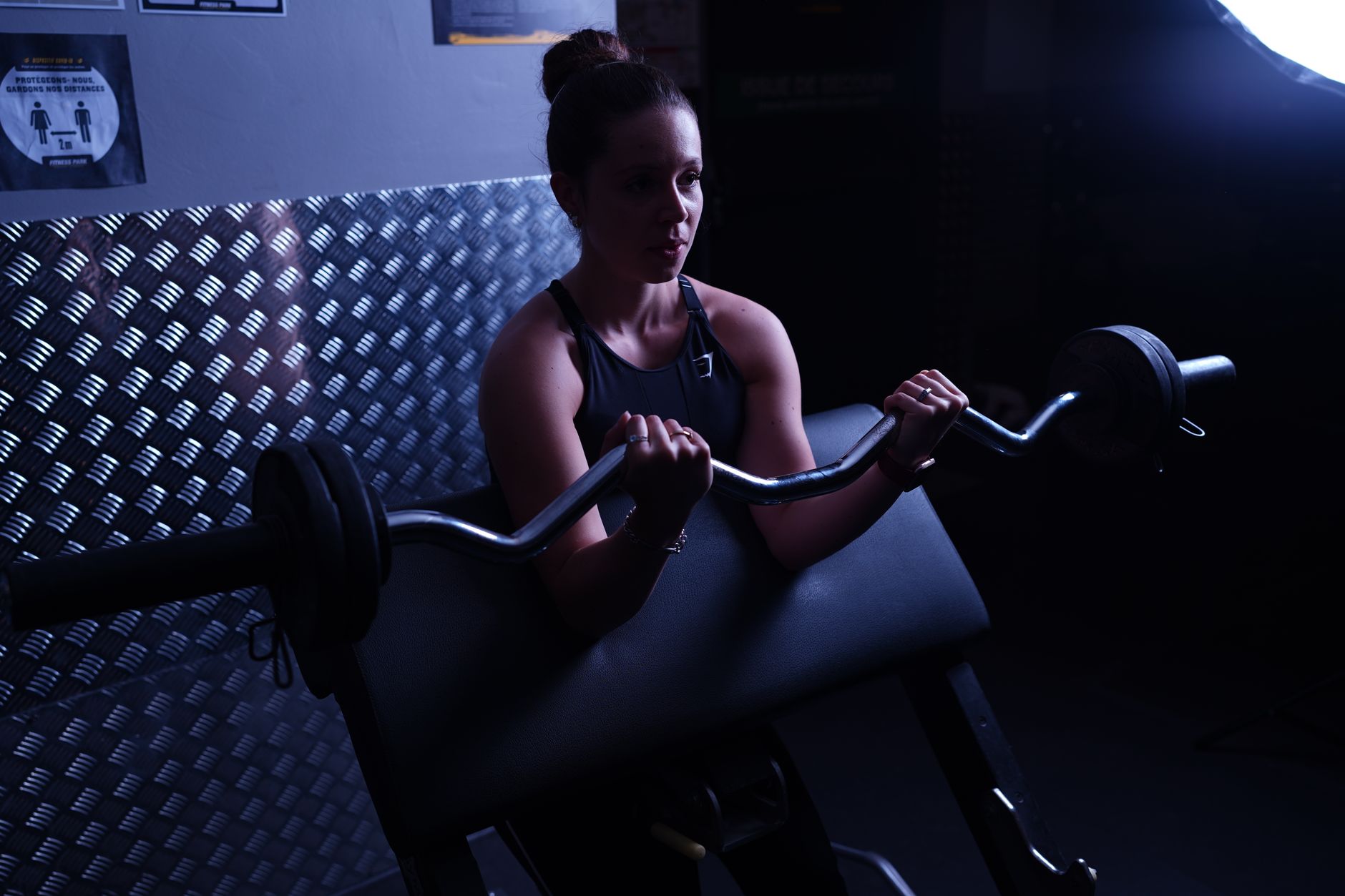
The fear of getting ‘too big’ from lifting heavy weights is one of the most persistent myths in fitness, and it keeps a lot of people - women especially - doing endless sets of 15 reps with 5-pound dumbbells instead of actually challenging their muscles.
Here’s what happens physiologically when you train with heavy loads: your muscle fibres sustain mechanical stress, your body repairs them slightly thicker and denser, and over months of consistent training, you get stronger and your body composition shifts. Fat decreases relative to lean tissue. You look more defined - not larger.
Actual hypertrophy, the kind bodybuilders chase, requires a very specific combination of high training volume, a caloric surplus, and in many cases, years of dedicated effort. For most people training three or four days a week without eating in a surplus, significant size gain is not what happens. What happens is that their clothes fit differently, their posture improves, and their resting metabolism increases slightly because muscle tissue is more metabolically active than fat.
What ‘Toned’ Actually Means

The word toned has no physiological definition. There is no such thing as a toning exercise. When someone says they want to look toned, they mean they want visible muscle definition - and that comes from two things: having enough muscle, and having low enough body fat for that muscle to show. Light weights with high reps doesn’t build much muscle. It doesn’t burn significantly more fat than heavier training either. It mostly keeps you stuck.
Women have lower testosterone levels than men, which is the primary hormonal driver of muscle hypertrophy. This is not a minor detail - it’s why female bodybuilders who genuinely are large train under conditions that most recreational gym-goers never come close to replicating.
The Actual Argument for Lifting Heavy
Bone density. Insulin sensitivity. Joint stability. These are the concrete, documented benefits of resistance training with challenging loads. The American College of Sports Medicine recommends training major muscle groups two to three times per week with loads that cause muscular fatigue within eight to twelve repetitions - not because that’s the ‘bulking’ range, but because that’s where meaningful adaptation occurs.
If you’ve been avoiding anything heavier than what you could comfortably carry in a grocery bag, you’re not protecting your physique. You’re just leaving results on the table.