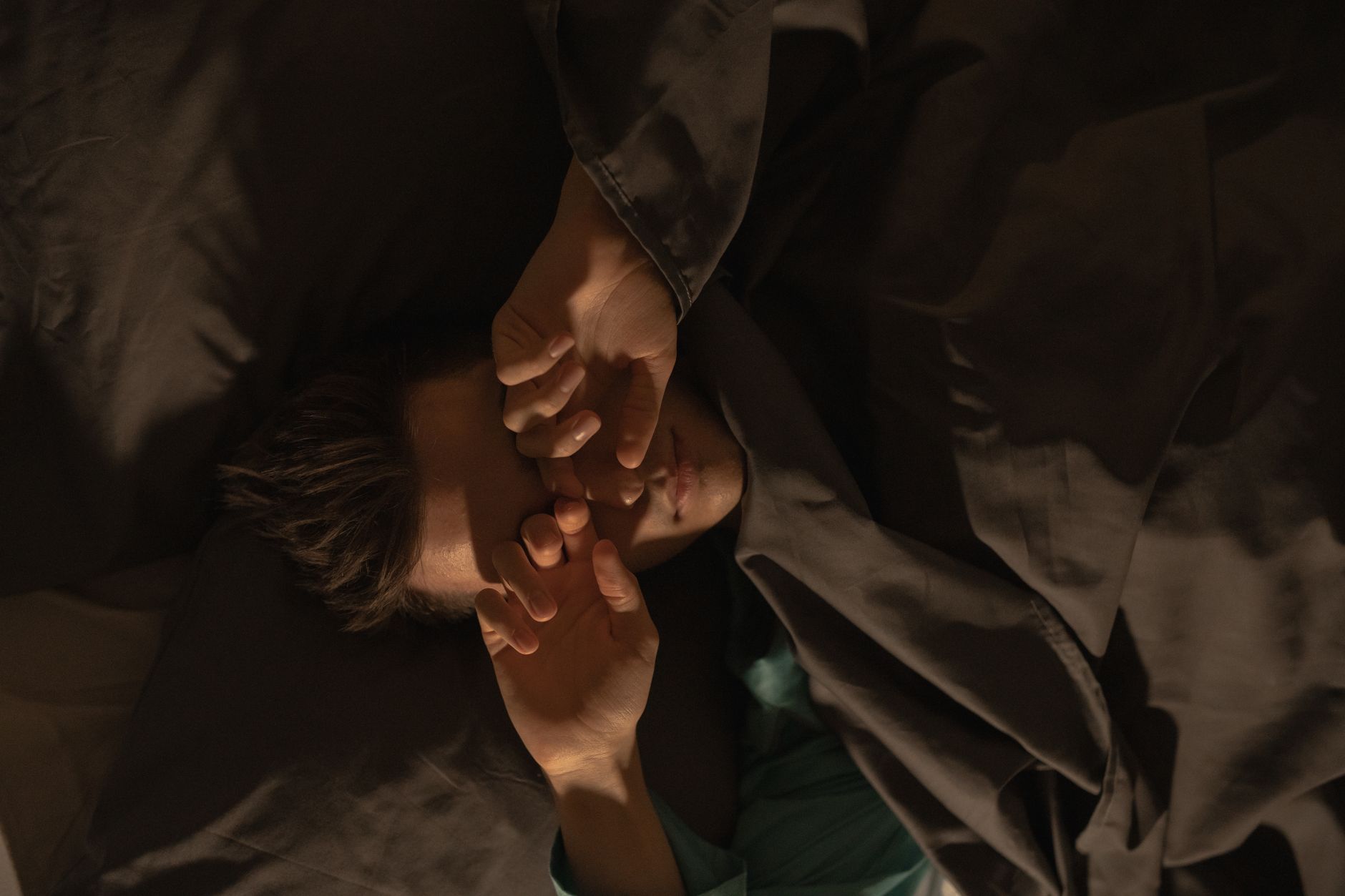
Sleep debt doesn’t just accumulate in your body. It reshapes how you respond to stress, food, and pain - often before you notice it’s happening.
Most people treat poor sleep as a performance problem. You feel sluggish, your workout suffers, you reach for caffeine earlier. That framing isn’t wrong, but it misses what’s happening underneath. Chronic short sleep - consistently getting under seven hours - doesn’t just dull your output. It actively changes your threat-detection system.
The amygdala, the region of the brain most associated with emotional reactivity, becomes significantly more sensitive after sleep restriction. Research published in the journal Sleep has documented greater amygdala activation in sleep-deprived subjects in response to negative stimuli compared to rested controls. What that looks like in practice: small frustrations feel larger, recovery from conflict takes longer, and neutral interactions get read as hostile. You’re not overreacting because you’re weak. Your brain is running threat assessment on four hours of processing power.
The Connection to Physical Pain Is Underappreciated
Sleep and pain share a bidirectional relationship that gets talked about mostly in the context of chronic illness - but it applies to anyone training hard. Sleep deprivation lowers pain thresholds. Muscle soreness that would feel manageable after a full night’s sleep can feel genuinely limiting after several short nights. This is one reason why a training block that looks identical on paper can feel completely different depending on what’s happening in the rest of your life.
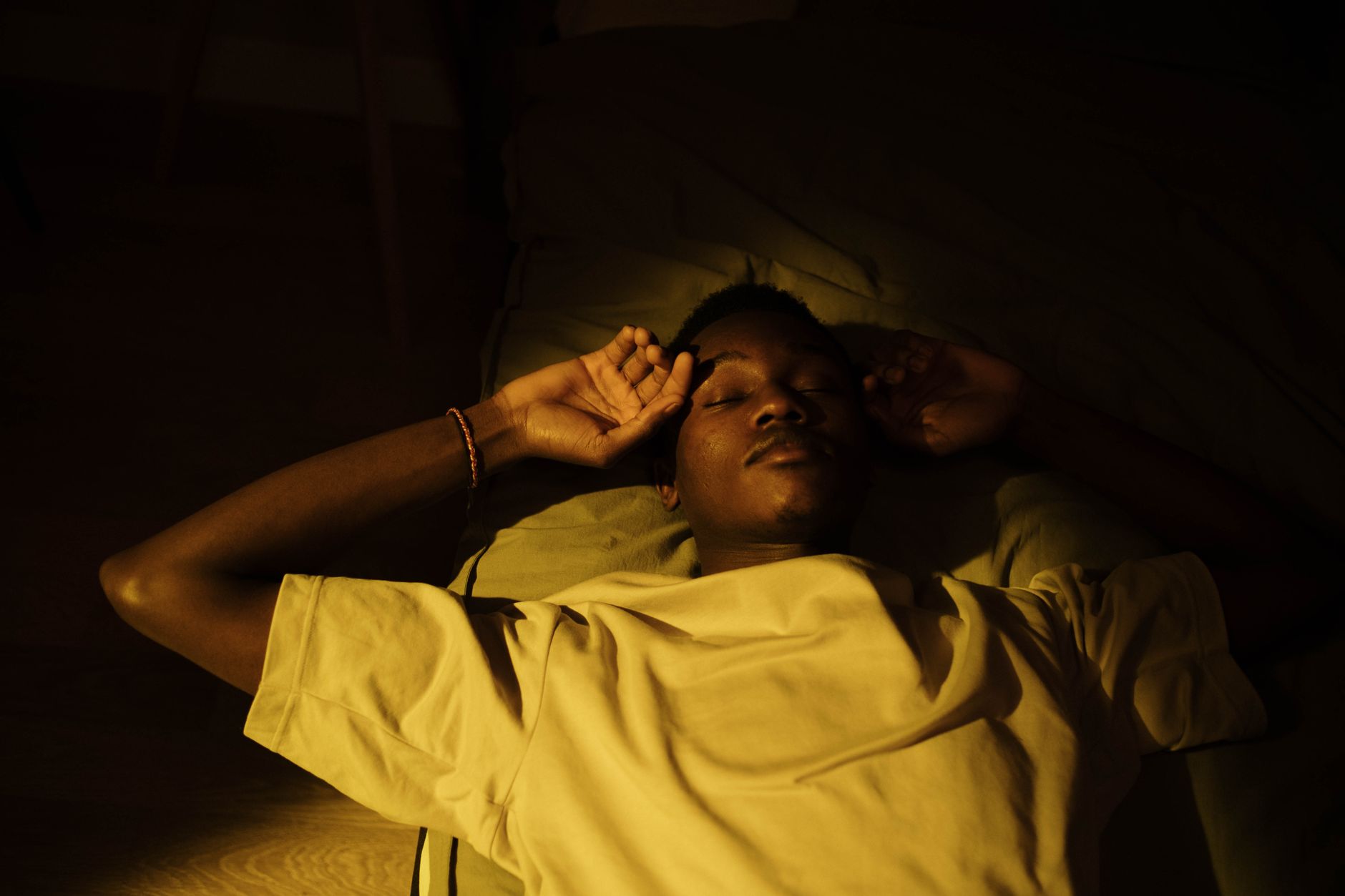
This matters for how you interpret your body’s signals. If something aches and your sleep has been poor for a week, that isn’t necessarily a structural problem. It might just be your nervous system running hot.
The Appetite Piece Is Not About Willpower
Ghrelin and leptin - the hormones that regulate hunger and satiety - shift meaningfully after even one night of restricted sleep. Ghrelin rises, leptin falls. The resulting pull toward calorie-dense food isn’t a character flaw. It’s a predictable hormonal response to perceived energy deficit.
The reason this matters isn’t calorie counting. It’s that sleep-deprived eating tends to cluster around high-fat, high-sugar foods specifically, not just any calories. That preference shift has been replicated across multiple studies. Understanding that makes it easier to not assign moral weight to the craving.
None of this requires becoming a sleep perfectionist. But treating late nights as neutral - as just a trade-off you make to get more done - misunderstands what’s actually being traded away.