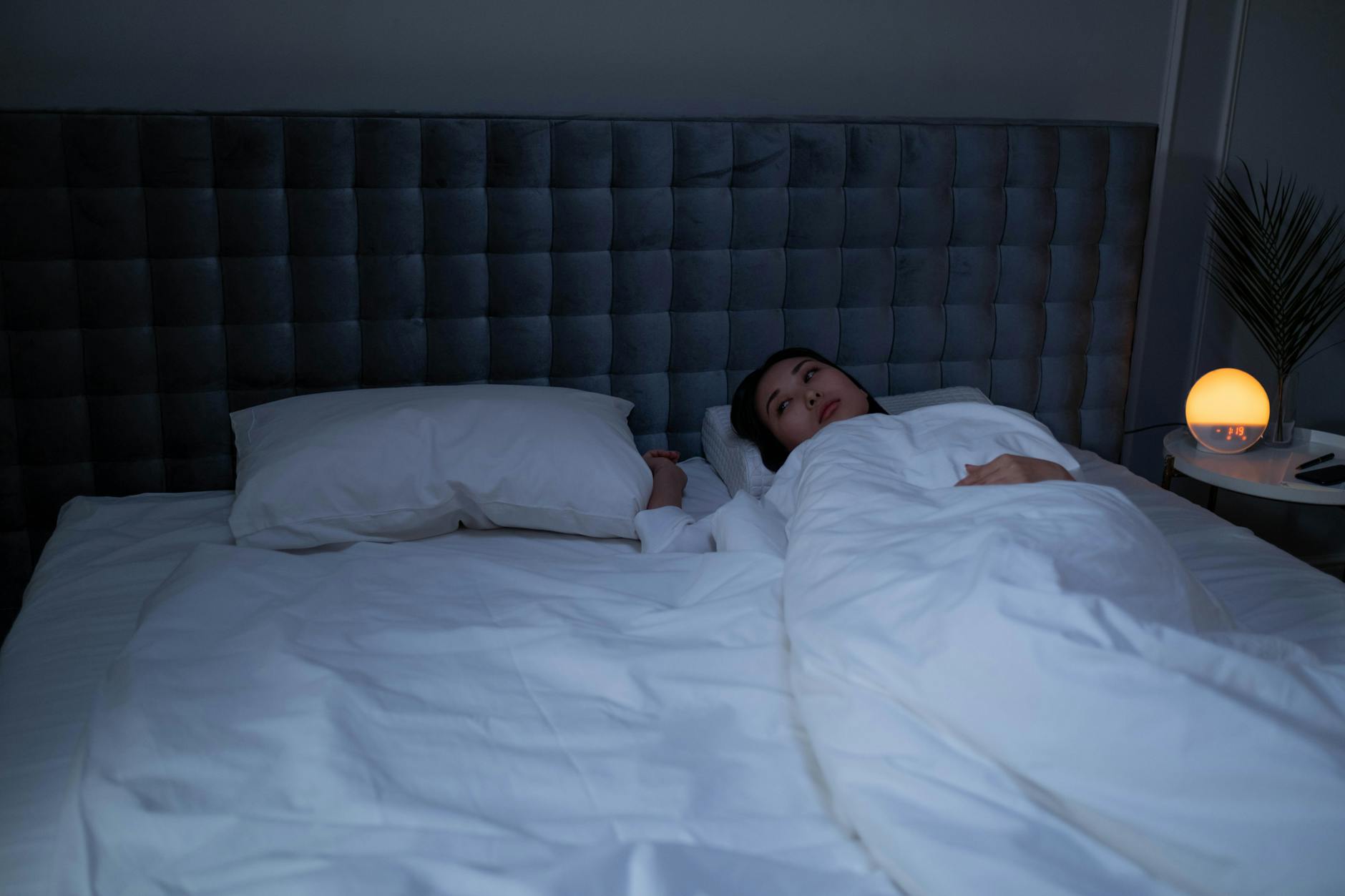
The blue light argument took hold in the mid-2010s and became the dominant explanation for why people sleep badly. Filter your phone, wear orange glasses, stop screens an hour before bed. The advice is everywhere, and it’s not entirely wrong - but it’s been given far more weight than the evidence supports.
What actually disrupts sleep at night isn’t photons. It’s cognitive arousal: the state of being mentally engaged, emotionally activated, or problem-solving when your nervous system should be winding down. Checking email at 10pm doesn’t hurt your sleep because of the light. It hurts your sleep because email contains things that make you think, worry, plan, or feel reactive. The screen is the vehicle. The content is the problem.
Why the Distinction Matters Practically
If you believe the blue light story, you put on glasses and keep scrolling through work messages, news, or social media conflict. You’ve addressed the wavelength and ignored the psychology.
Cognitive arousal at night elevates cortisol and delays the drop in core body temperature that sleep requires. That’s not opinion - thermoregulation is one of the more well-established mechanisms in sleep research. When your brain is running active, anxious processing, your body holds heat longer, and sleep onset gets pushed back. You might eventually fall asleep but spend more time in lighter stages early in the night, when slow-wave sleep - the kind most associated with physical recovery - should be dominating.
The Content Test
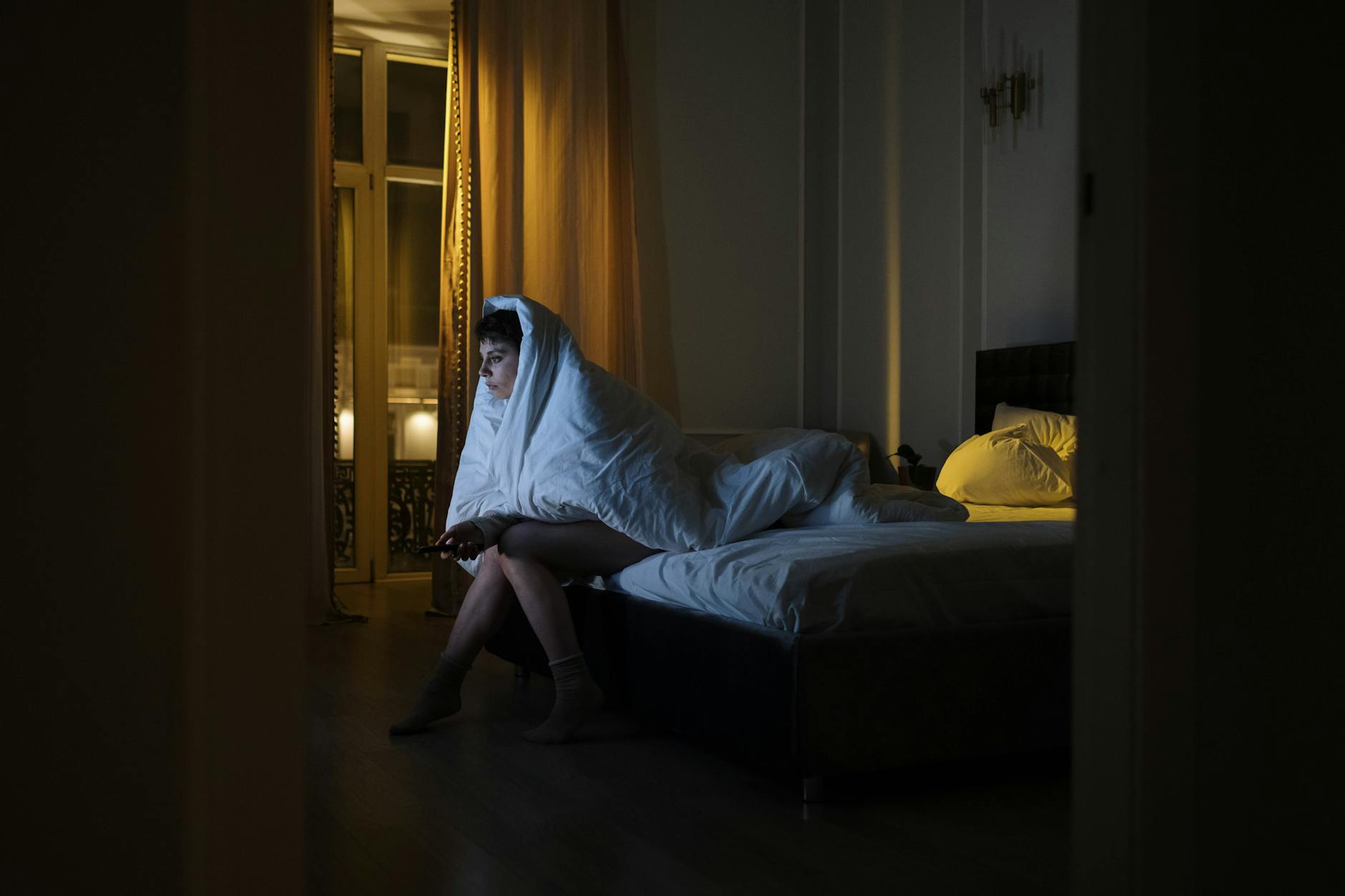
A useful heuristic: notice what you feel like after ten minutes of a given activity at night. Mildly entertained and drifting? Probably fine. Tense, alert, or thinking through a problem? That’s the signal. The same phone can play a familiar TV show that bores you gently toward sleep, or pull you into a thread about something upsetting. Same device, opposite physiological response.
Passive, low-stakes content before bed isn’t the enemy people make it. Reading fiction, watching something you’ve already seen, listening to music - none of these create the stress response that delays sleep, regardless of the screen involved.
What Actually Helps
The most consistent behavioral finding in sleep research isn’t about light - it’s about consistency and mental decompression. Fixed wake times stabilize circadian rhythm more reliably than any pre-sleep ritual. And deliberately offloading mental load earlier in the evening - writing down tomorrow’s tasks, closing open loops before 9pm - reduces the ruminative thinking that keeps people awake long after the phone goes dark.
Blaming the screen lets the actual problem stay invisible.