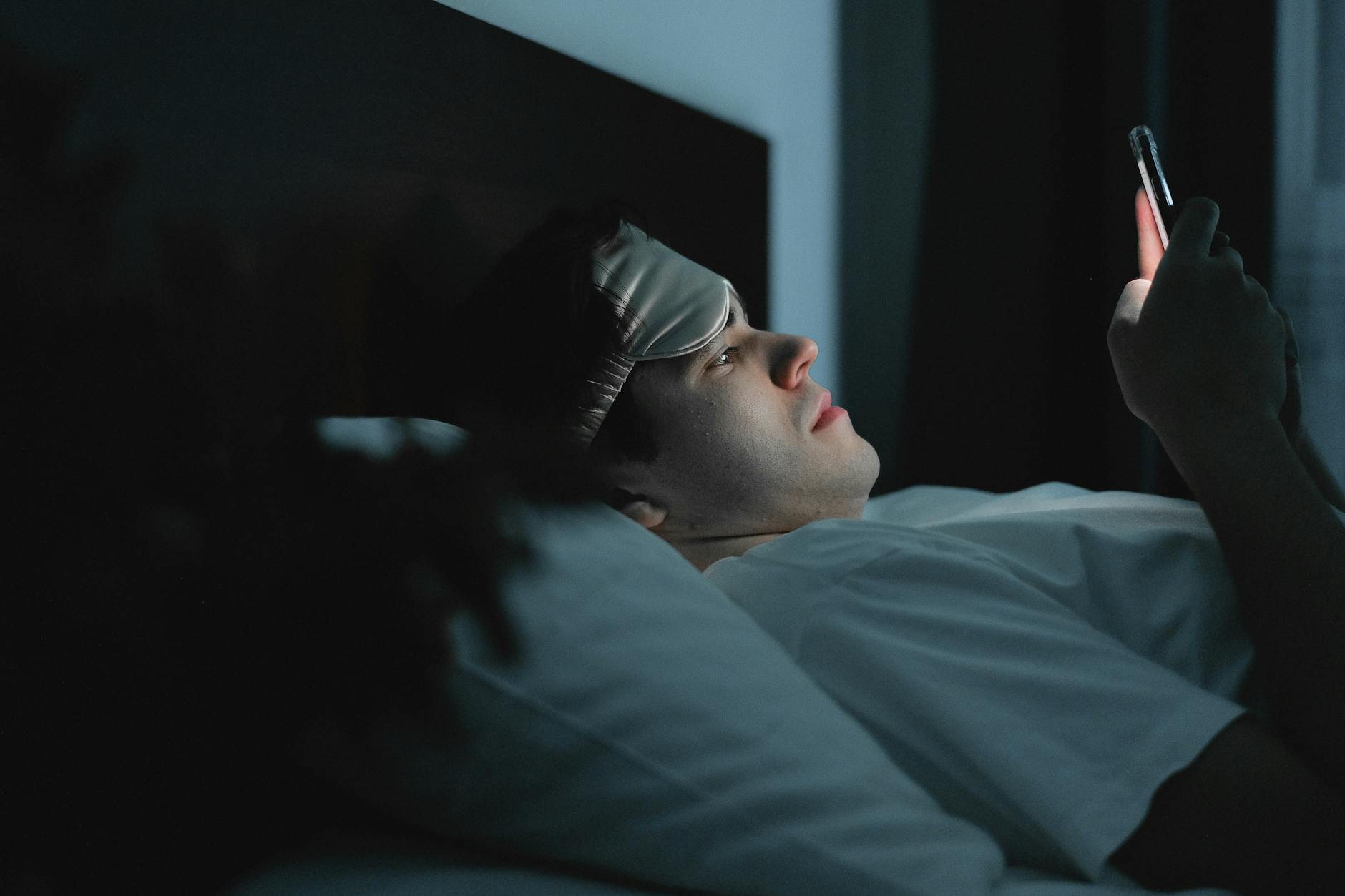
Most sleep advice circles back to blue light - get blue-light glasses, enable Night Shift, stop using your phone an hour before bed. The blue light angle isn’t wrong, but it’s probably the least important part of what’s happening when you scroll at midnight.
The bigger issue is arousal state. When you’re watching short-form video, reading upsetting news, or even just browsing feeds with no particular goal, your nervous system is doing work. Your cortisol response doesn’t know the difference between a mildly stressful Instagram comment thread and an actually stressful conversation - it reacts to perceived threat and social stimulation either way. Getting into bed with an elevated cortisol level doesn’t just delay sleep onset; it compresses the slow-wave sleep you get in the early part of the night, which is where most physical tissue repair happens.
Slow-wave sleep is when growth hormone secretion peaks. If you’re training seriously - lifting, running, anything that breaks down tissue - that window matters. You can sleep eight hours and still come out under-recovered if the architecture of that sleep is disrupted.
The Winding-Down Problem Nobody Talks About
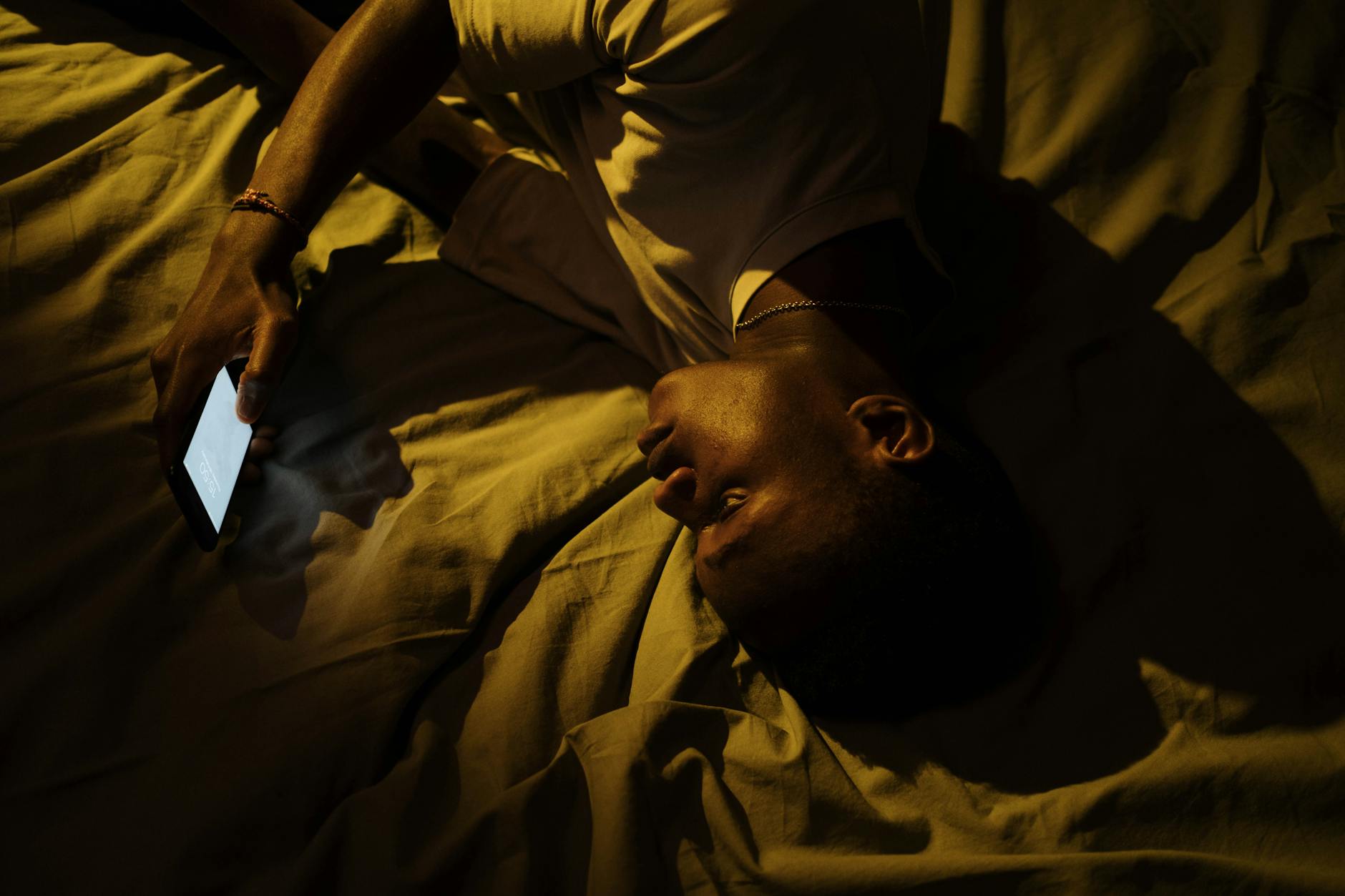
The argument for screens before bed usually sounds like “it helps me relax.” For some people this is genuinely true in the short term: passive watching lowers the active cognitive load of trying to fall asleep. But relaxed is not the same as physiologically ready for sleep. Your body needs a drop in core temperature and a rise in melatonin to move into restorative sleep, and both of those are blunted by continued light exposure and neural engagement.
The habit becomes self-reinforcing. Screen use delays sleep, poorer sleep increases the next day’s fatigue and stress load, and a higher stress load makes it harder to wind down without the numbing effect of passive scrolling.
What Actually Helps
The interventions with the most consistent support are low-tech: keeping the bedroom cooler (research has consistently pointed to around 65–68°F as optimal for most adults), dimming all lights in the home for 60–90 minutes before bed, and replacing the phone with something that engages just enough attention to quiet mental chatter without triggering arousal - reading fiction works well for this.
None of that is new information. The reason it doesn’t get implemented is that late-night scrolling fills a real psychological need for decompression after a demanding day. Replacing it requires having something else that does the same job, not just removing the behavior and hoping willpower fills the gap.