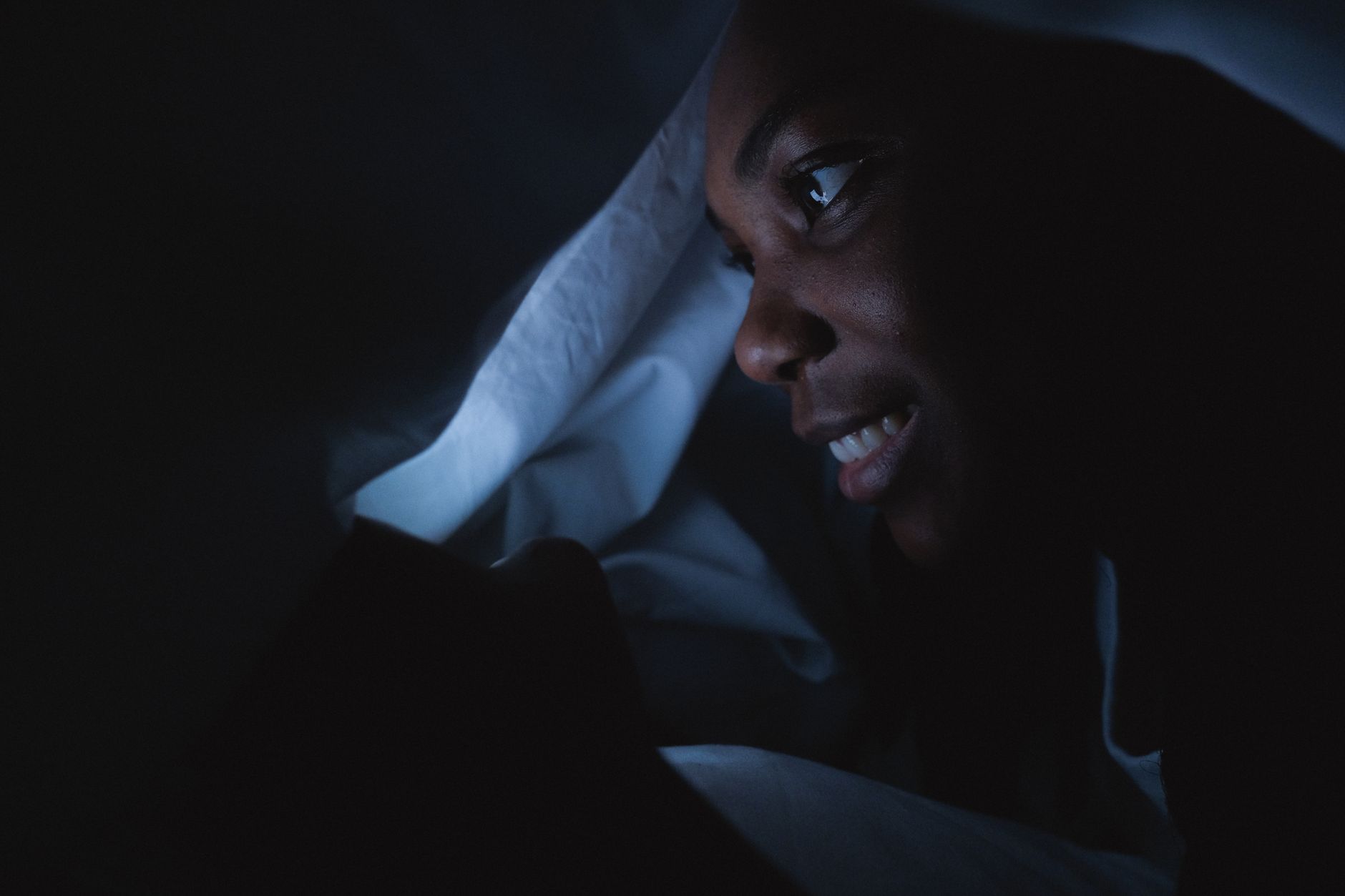
Most people think the problem with using their phone before bed is that it keeps them awake longer. That’s true, but it’s the smaller part of the problem.
What light-emitting screens do - particularly the short-wavelength blue light common in phone and tablet displays - is suppress melatonin production. Melatonin doesn’t put you to sleep directly; it signals to your body that darkness has arrived and sleep should begin. Delay that signal by 90 minutes, and you don’t just fall asleep later. You compress the early stages of sleep that tend to be melatonin-sensitive, and you shift the timing of your entire sleep cycle relative to when your alarm goes off.
The result isn’t just less sleep. It’s structurally worse sleep.
What Gets Cut When Sleep Gets Compressed
Sleep isn’t a uniform state. It cycles through stages - lighter NREM sleep, slow-wave deep sleep, and REM - roughly every 90 minutes, with the proportion of each stage shifting across the night. Deep slow-wave sleep dominates early in the night. REM sleep, which is associated with memory consolidation and emotional regulation, becomes more prominent in the later cycles.
When you go to bed an hour later than your body expected but still wake at the same time, you’re not just losing an hour of sleep evenly. You’re disproportionately cutting into the REM-heavy cycles at the end of the night. That has downstream effects on mood, cognitive sharpness, and stress reactivity the next day - none of which are fixed by caffeine.
The Stress Loop Nobody Talks About
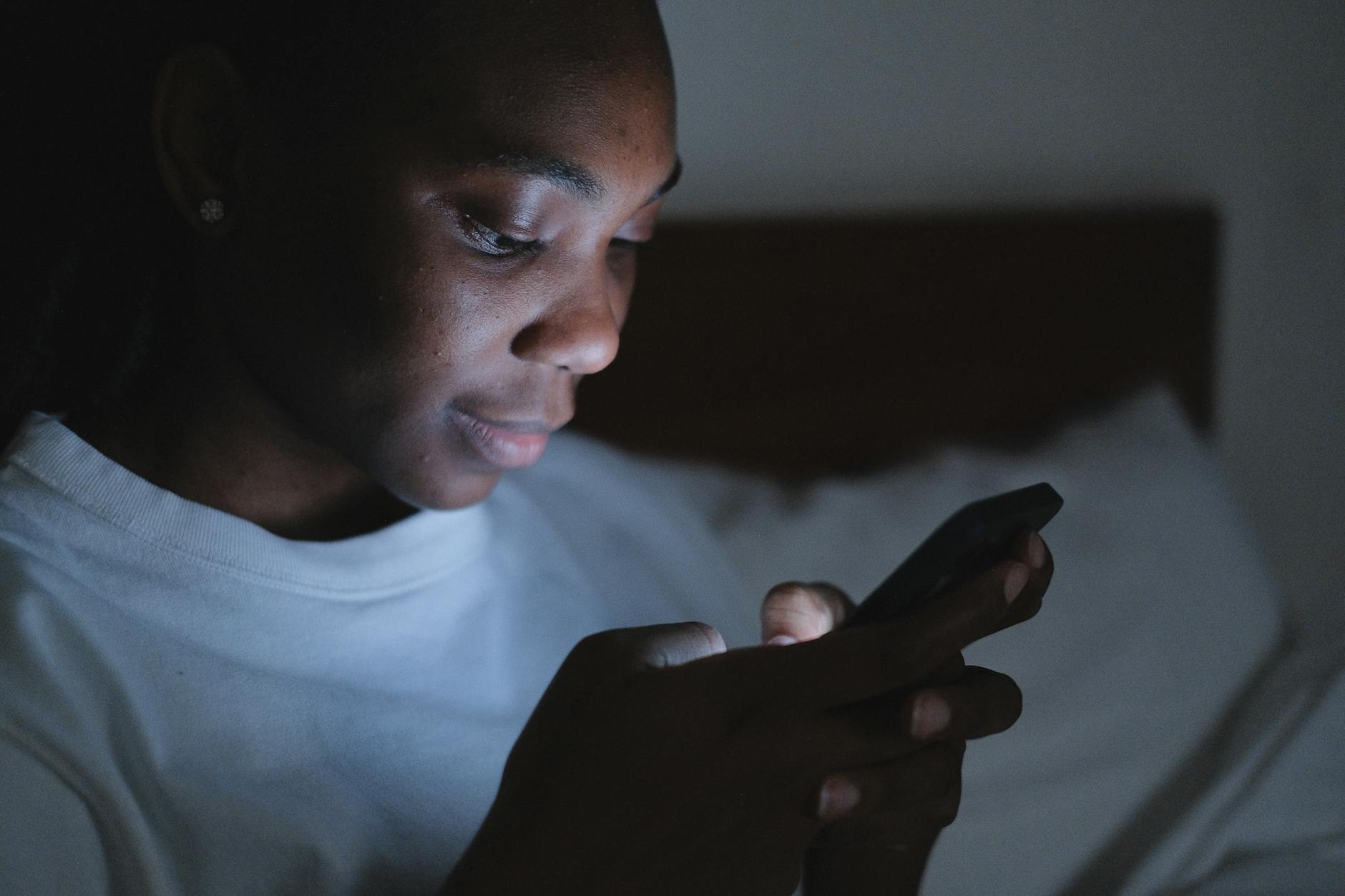
Poor REM sleep doesn’t just make you feel foggy. There’s a well-documented relationship between REM sleep and the processing of emotionally charged memories. When REM is consistently cut short, emotional reactivity tends to increase. Things that would normally feel manageable feel sharper.
This matters for physical wellbeing because elevated stress reactivity feeds directly into cortisol patterns, appetite regulation, and recovery from training. It’s a slow-moving loop, and scrolling Instagram at midnight is rarely identified as the entry point.
The Fix Is Boring, But It’s Specific
Dimming screen brightness and enabling night mode helps marginally. The more reliable intervention is a hard cutoff - no screens for 45 to 60 minutes before your target sleep time - combined with actual darkness in the room during sleep. Not “pretty dark.” Dark.
The body’s circadian system is calibrated to light with a precision most people underestimate. You don’t have to optimize every variable. But treating the bedroom like a place where light doesn’t exist after a certain hour is one change that actually moves the needle.