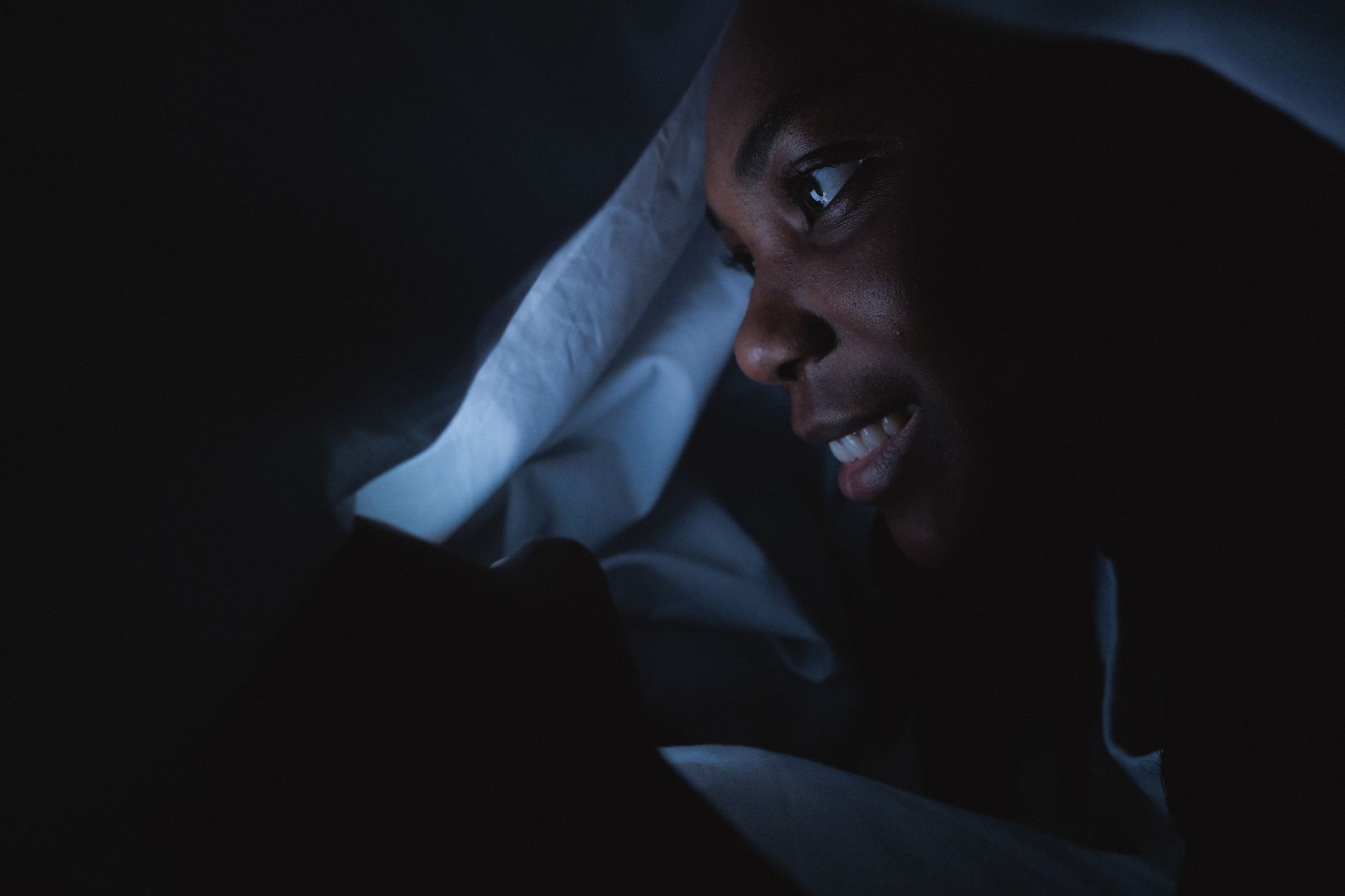
Most people already know that screens before bed make it harder to fall asleep. What gets less attention is what happens to sleep architecture - the sequence of light, deep, and REM stages your body cycles through across the night - when you spend an hour on your phone before bed.
Light in the blue-wavelength range, which LED screens emit heavily, suppresses melatonin production. That part is well-documented. But melatonin isn’t just a sleep trigger - it also plays a role in regulating when slow-wave sleep (the deepest, most physically restorative stage) occurs during the night. Shift melatonin release back by 90 minutes, and you don’t simply shift everything back by 90 minutes. You compress the window for deep sleep, because deep sleep is front-loaded in the night and diminishes in later cycles regardless of when you fall asleep.
This means two people sleeping seven hours can have very different recovery outcomes. The person who fell asleep at 10:30 pm after an hour of reading gets more slow-wave sleep than the person who scrolled until midnight and fell asleep at the same clock time - 1:30 am - even though both logged seven hours.
The Stress Connection
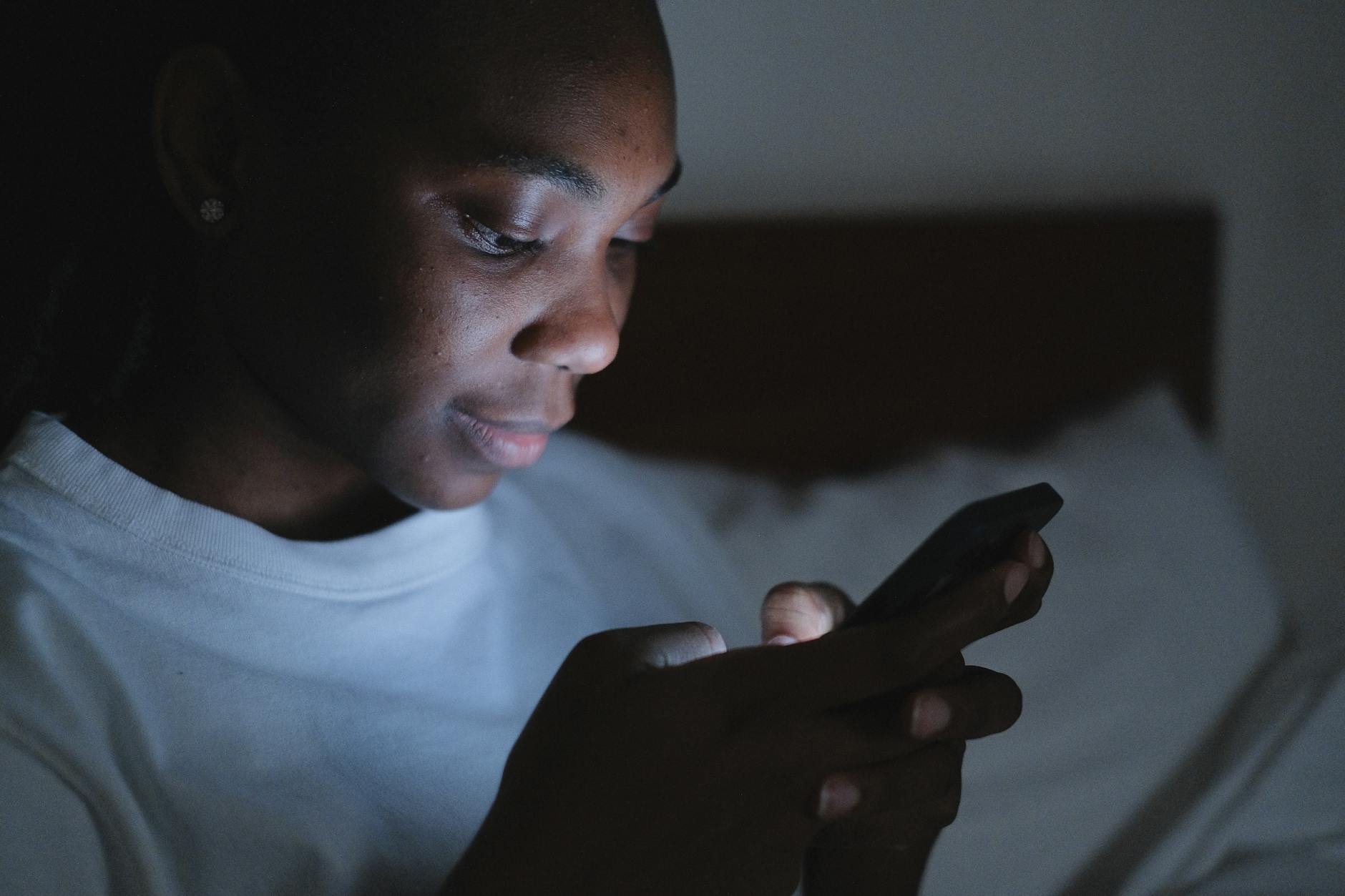
There’s also the content problem, separate from the light problem. Social media, news, even entertaining but stimulating video engages the brain’s threat-detection systems. Cortisol doesn’t spike dramatically, but low-level arousal keeps the nervous system out of the parasympathetic state that sleep onset requires. You can lie in bed feeling tired while your brain remains alert enough to resist sleep pressure.
For people dealing with ongoing stress - work, relationships, financial pressure - nighttime scrolling is often a coping mechanism. It’s a way to decompress that feels passive but is neurologically active. That’s the trap: the thing that feels like unwinding is actively working against the biological process you’re trying to reach.
What Actually Moves the Needle
Dimming screen brightness and using night mode helps at the margin, but the evidence for blue-light-blocking glasses is weak - the benefit is modest at best. The more reliable intervention is simply stopping screen use 45–60 minutes before the time you want to fall asleep and replacing it with something low-stimulation: reading physical print, stretching, or just sitting in low light without a device.
Not because screens are morally bad, but because the sleep you get in the first half of the night is qualitatively different from the sleep you get in the second half - and you can’t get it back by sleeping in.