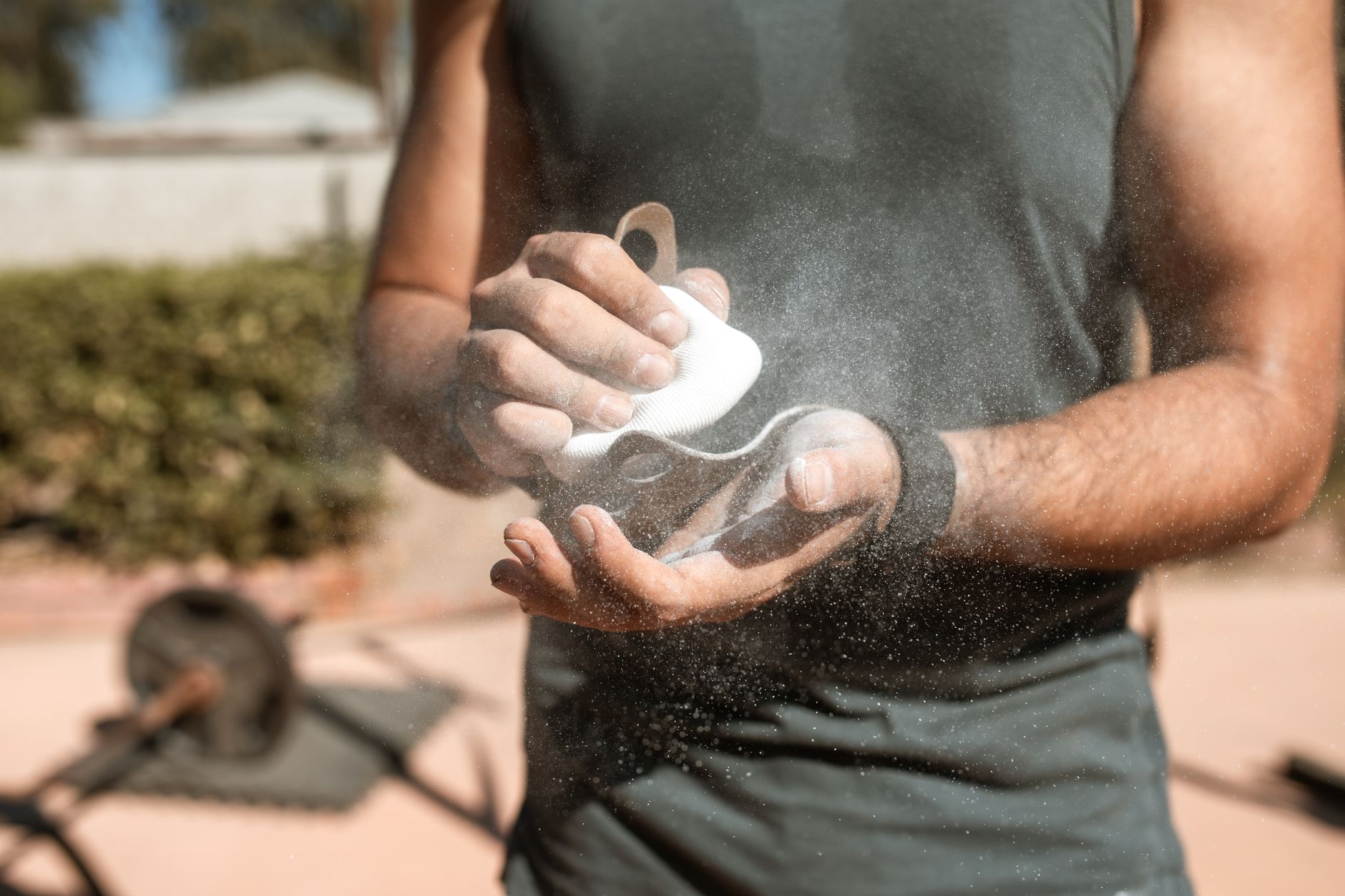
If your hands give out before your back does on a deadlift, you’re not training your back - you’re training your grip ceiling. That distinction matters more than most people acknowledge, and it’s why grip strength deserves direct attention rather than the passive development most lifters assume is happening.
Grip is treated as a byproduct. You pull heavy things, your grip gets stronger, end of story. That logic works until it doesn’t - usually around the time you’re trying to progress on Romanian deadlifts, heavy rows, or farmers carries and your forearms are failing before the target muscle group has done meaningful work. At that point, your grip isn’t just lagging; it’s actively capping your training.
The Problem With Straps as a Default
Straps have a legitimate place. When you’re doing high-volume back work and your grip is genuinely fatigued from earlier pulls, straps let you keep training the intended muscle. That’s sensible load management.
But a lot of lifters reach for straps as a first option rather than a last one, which means their grip never gets challenged enough to adapt. The result is a widening gap between what their posterior chain can handle and what their hands can hold. Over years of training, that gap compounds.
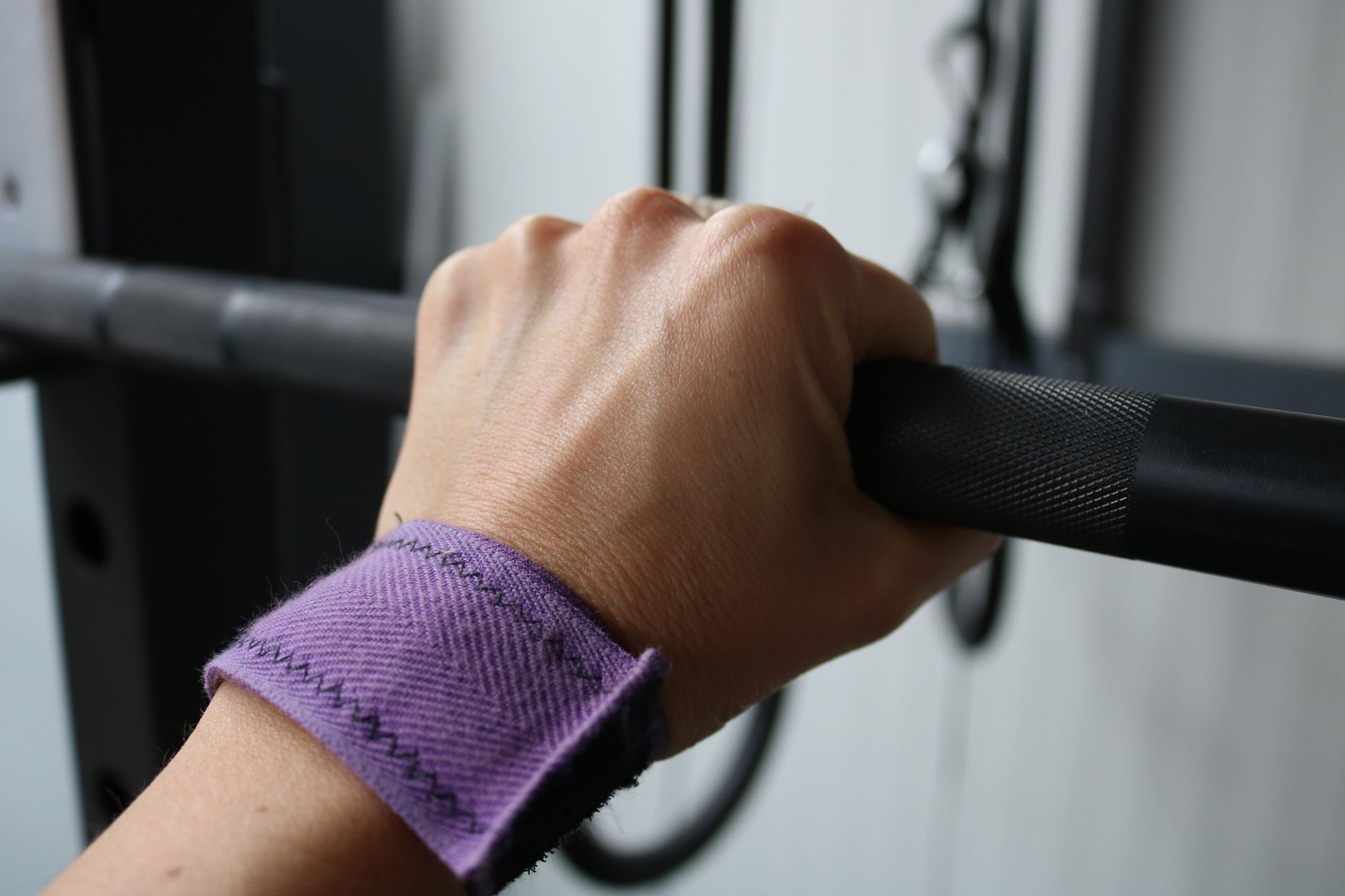
What Direct Grip Work Actually Looks Like
It doesn’t require much volume. Farmers carries for 30–40 meters per set, two or three times per week, are enough to drive meaningful adaptation for most people. Dead hangs from a pull-up bar - held as long as possible, not as a warm-up throwaway - train the fingers, forearms, and shoulder stability simultaneously.
For people who want to be more specific: thick-handle training (or fat gripz attachments) increases the demand on finger flexors, which transfers well to conventional barbell work. Plate pinches - holding a weight plate between thumb and fingers for time - isolate the grip without loading the elbow, which matters if tendinopathy is in the picture.
The Carry-Over Is Real
Strengthening grip directly tends to improve performance on rows, pull-up variations, and deadlift accessories faster than people expect. It’s not because those movements suddenly got easier - it’s because the limiting factor shifted back to where it should be.
A stronger grip doesn’t just move more weight. It makes the work you’re already doing count for more.