
Lumping all dietary fat together as something to limit is one of the most persistent errors in how people approach eating. The low-fat era of the 1980s and 90s left a residue that still shapes how people build plates - trimming visible fat off meat, defaulting to low-fat dairy, treating olive oil like a guilty addition rather than a food with actual function. But fat quality and fat quantity are two completely different conversations, and most people only ever have one of them.
What the Research Actually Supports
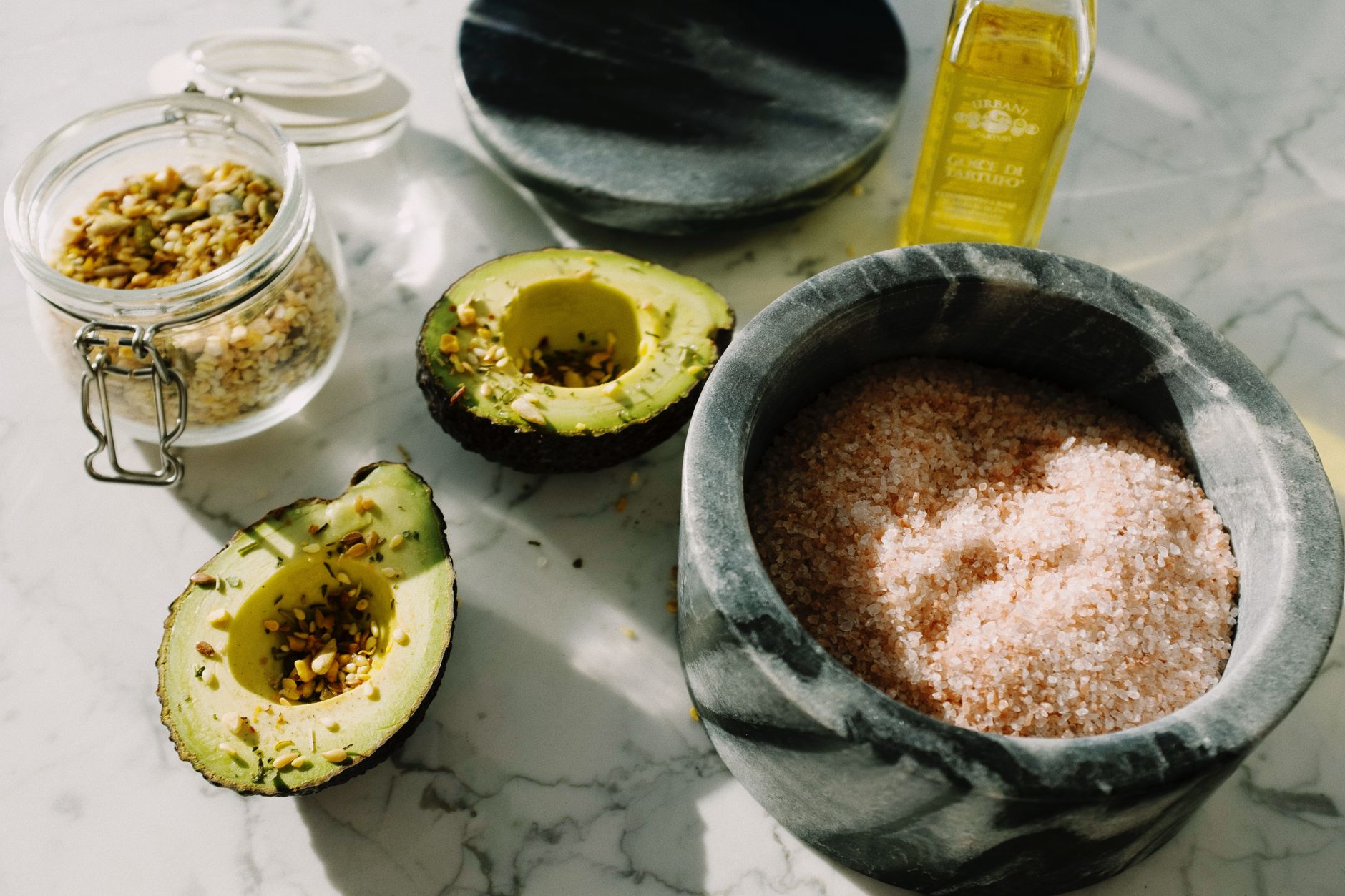
Unsaturated fats - found in olive oil, avocados, nuts, and fatty fish - have a well-established relationship with cardiovascular markers, including improvements in LDL particle size and HDL levels. The Mediterranean dietary pattern, one of the most studied eating frameworks in nutrition science, is not a low-fat diet. It’s moderate-to-high in fat, with the source doing most of the work.
Trans fats from partially hydrogenated oils are a different story entirely. Their effect on LDL and HDL simultaneously makes them the clearest dietary villain the research has produced. Most industrially produced trans fats have been removed from food supplies in many countries, but reading ingredient labels on processed snacks and packaged baked goods is still worth doing.
Saturated fat sits in more contested territory. Current evidence doesn’t support treating all saturated fat identically - the saturated fat in whole dairy behaves differently in studies than the saturated fat in processed meat. The honest answer is that the science here isn’t fully settled, and anyone presenting it as simple is oversimplifying.

The Practical Shift
If you’re currently using fat grams as your primary metric, switching to type as the first filter is a more useful lens. That means:
- Olive oil as your default cooking fat over seed oils when possible
- Fatty fish (sardines, salmon, mackerel) at least twice a week
- Nuts and seeds as a genuine snack, not something to eat sparingly
- Processed foods with hydrogenated oils treated as the actual limit to track
Total fat intake still matters at the extremes - you can’t eat 80% of calories from any single macronutrient without crowding something else out. But within a normal range, fixating on the number while ignoring what you’re eating it from is working the wrong variable.
The Part People Miss
Fat slows gastric emptying and extends satiety in a way that low-fat, high-carbohydrate snacks don’t. Removing fat from a meal and replacing it with refined carbohydrates - which is exactly what happened to hundreds of food products during the low-fat era - doesn’t improve the diet. In many cases it made it worse, which is part of why that dietary experiment didn’t produce the health outcomes it promised.
What made those reformulated products worse isn’t a matter of ongoing debate. The substitution was real and measurable. What’s still worth thinking through is exactly how much fat, from exactly which sources, fits into your specific eating pattern - and that answer varies more by person than most nutrition guidance acknowledges.