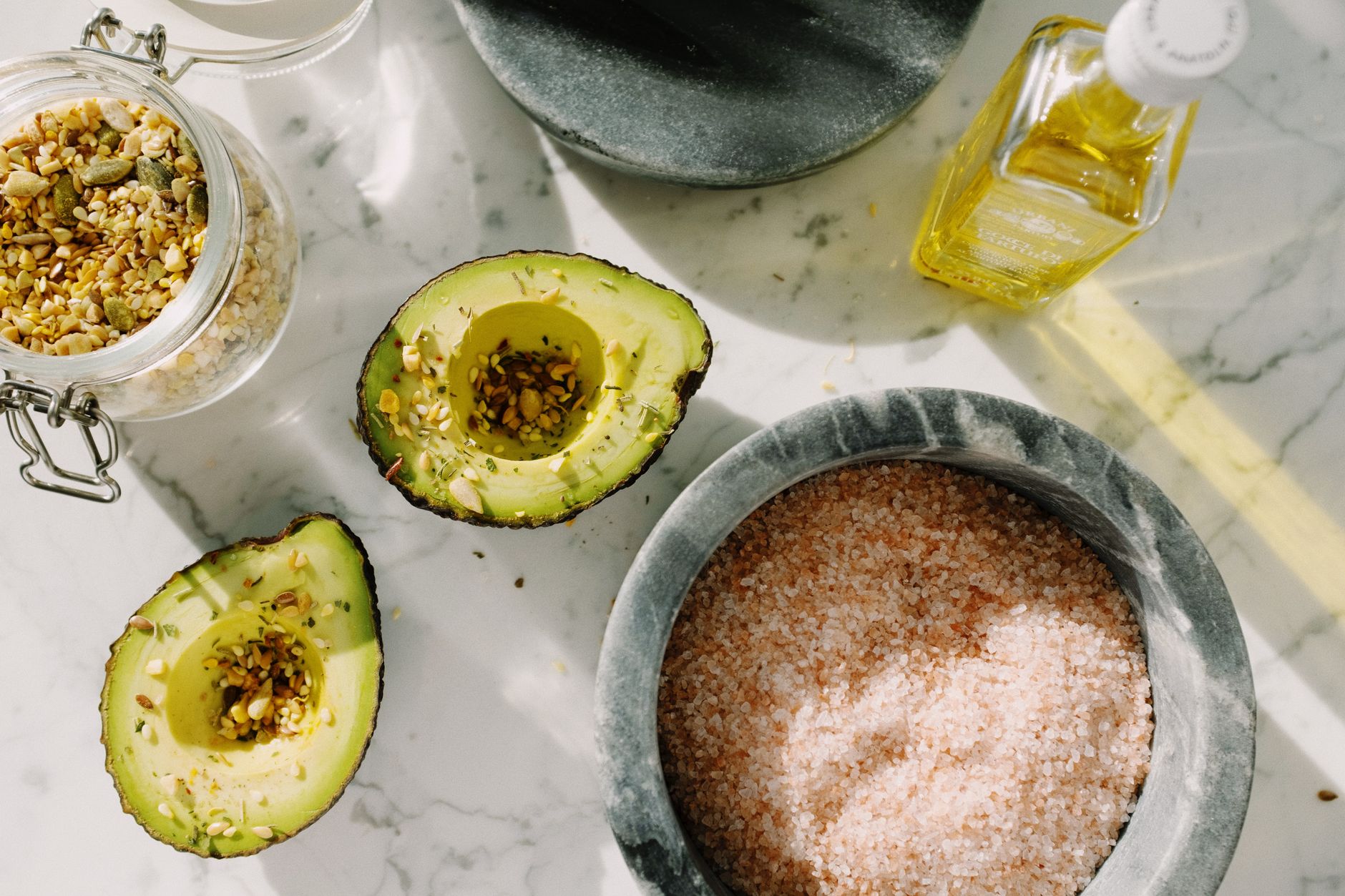
Fat got villainized for decades, and the hangover from that era is still wrecking people’s energy, hormone production, and satiety - even among people who otherwise eat reasonably well.
The pattern shows up constantly: someone is tracking their food, hitting their protein, keeping calories moderate, and still feeling flat, hungry by mid-morning, and lousy in general. Nine times out of ten, their fat intake is somewhere around 30–40 grams per day. That’s not a diet. That’s deprivation with extra steps.
What Fat Actually Does in the Body
Dietary fat is the substrate for steroid hormone synthesis - testosterone, estrogen, cortisol, and the rest of the sex and stress hormones are built from cholesterol, which requires fat intake to maintain. This isn’t fringe nutrition; it’s basic physiology. When fat drops too low for too long, hormonal output follows. In men, this tends to show up as flattened libido and reduced training adaptations. In women, menstrual disruption is common.
Fat also slows gastric emptying, which is the mechanism behind satiety. A meal with adequate fat keeps you full longer because food literally moves through your stomach more slowly. Cutting fat to cut calories often backfires by making hunger more aggressive two hours later.
The Fat-Fear Legacy of the 1990s
The low-fat dietary guidelines that dominated the 1980s and 1990s - driven heavily by the McGovern Report and subsequent USDA dietary recommendations - pushed fat intake down and carbohydrate intake up across the American food supply. Food manufacturers replaced fat with sugar to maintain palatability. The result was not lower rates of obesity or cardiovascular disease, but a generation that grew up equating fat grams with failure.
That association is still sticky. People who intellectually know fat isn’t the enemy still feel a reflexive anxiety when their tracking app shows 70g of fat for the day.

Where to Actually Set It
For most active people, somewhere between 0.35–0.5 grams of fat per pound of bodyweight is a practical working range. A 170-pound person lands between 60–85 grams daily. Prioritize sources that carry other nutritional value: fatty fish for omega-3s, whole eggs, olive oil, nuts, and full-fat dairy if you tolerate it.
The goal isn’t to maximize fat intake. It’s to stop treating it as the lever you pull when calories need trimming. Protein holds. Fat holds. Carbohydrates are the most flexible macro - they’re the one you adjust.
The Practical Shift
If you’re eating under 50 grams of fat per day and wondering why you’re hungry, tired, or stalled - that’s your answer. Bump fat up by 20 grams and hold it there for two weeks before drawing any conclusions about how your body feels and performs.